Understand any stock in simple English
Aurinia Pharmaceuticals Inc.
Aurinia sells Lupkynis, a pill for a serious kidney disease caused by lupus, to patients and doctors who treat autoimmune disease.
Aurinia Pharmaceuticals is a small drug company with essentially one job: it makes and sells Lupkynis, a once-a-day pill for adults with lupus nephritis. Lupus is a disease where the immune system attacks the body's own tissues, and when it attacks the kidneys, the result is lupus nephritis — inflammation that can scar the kidneys and eventually lead to failure and dialysis. Before Lupkynis, many patients relied on older drugs like steroids and mycophenolate that suppressed the immune system broadly but were not approved specifically for this kidney complication. Lupkynis is a targeted oral medicine, and it was the first oral therapy approved by U.S. regulators for lupus nephritis when it got the green light in January 2021.
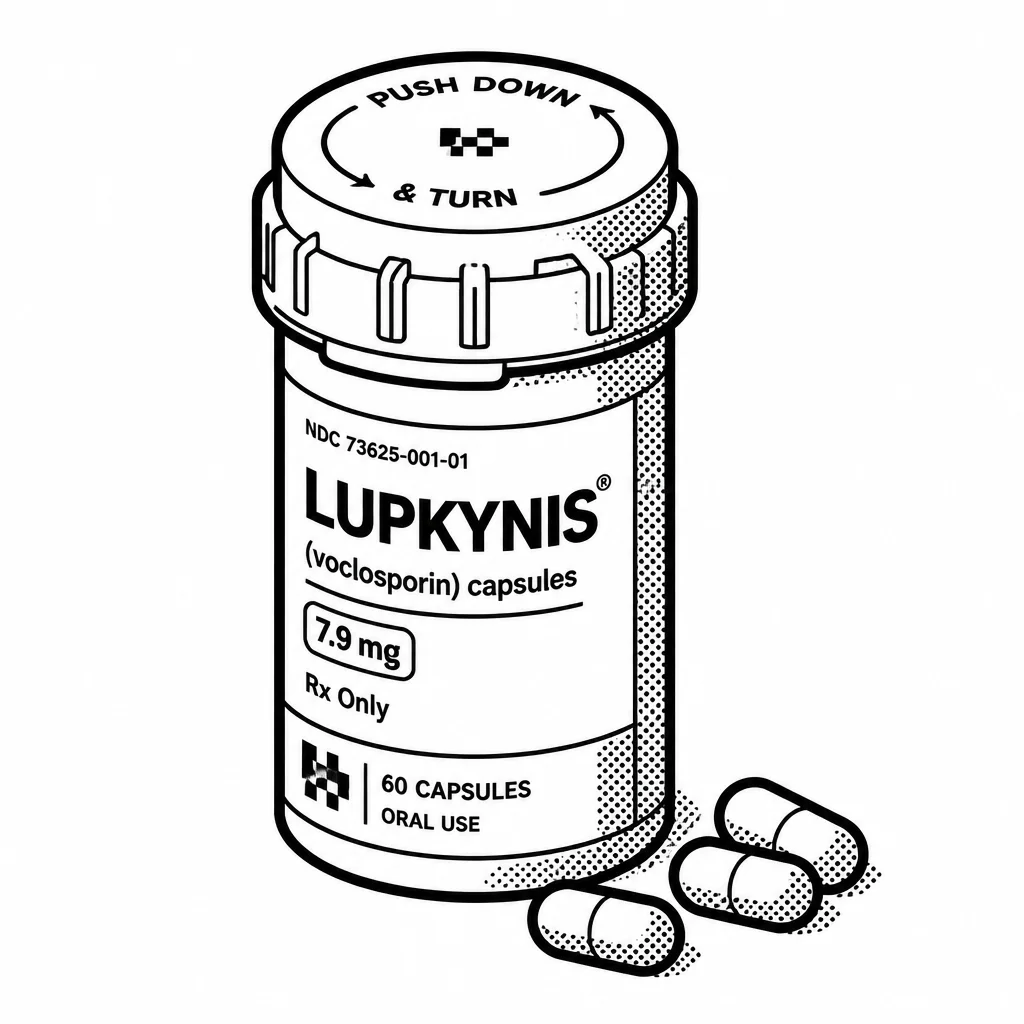
The customer is really two people at once: the nephrologist or rheumatologist deciding what to prescribe, and the patient who takes the pill every day. Aurinia sells through specialty pharmacies and pays for a field force of sales reps to call on those specialists, because convincing a kidney doctor to add a new drug to a complex treatment regimen takes legwork. The drug is expensive — list prices for a year of treatment run well into the tens of thousands of dollars in the U.S. — and much of it is covered by insurance, which means Aurinia spends real money on patient support programs that help people navigate copays and prior authorizations. It also has approval and marketing arrangements abroad, including in Europe and Japan, where partners help sell it. Lupkynis faces competition mostly from older generic drugs used off-label rather than from another purpose-built pill. That sounds like an easy win, but it cuts both ways: cheap generics are entrenched in treatment guidelines, and some doctors are cautious about new immunosuppressants. The drug also carries serious safety warnings, including risks to pregnancy and liver, and it requires monitoring — the kind of friction that slows adoption. On top of that, a rival drug called Benlysta from GlaxoSmithKline competes for the same patients, though it is given by infusion or injection rather than as a pill.
Aurinia's biggest strategic problem is concentration. Nearly all of its revenue comes from one product, so the whole company rises and falls with Lupkynis sales, reimbursement decisions, and any safety or label surprises. It has spent heavily on launches and on clinical trials testing the drug in other contexts, and management has talked about expanding into adjacent autoimmune uses and business development to broaden the pipeline. Investors should watch the same few things the company does: prescription growth, how well insurers cover the drug, and whether Aurinia can turn its franchise into something bigger than a single pill.
Saved answer · last researched 17 Nov 2026