Understand any stock in simple English
Enter a ticker to learn what the company does and how it makes money.
CapitaLand China Trust
It is a Singapore-listed real estate investment trust that owns and rents out shopping malls and other properties in China, collecting rent from tenants.
CapitaLand China Trust is a landlord in China, but it is a landlord you can buy shares in. It is a real estate investment trust, or REIT, listed in Singapore. It owns a portfolio of properties in China — mostly shopping malls, which are its core business — and it makes money by leasing space to tenants. The tenants are the shops, restaurants, and services that fill those malls. They pay rent, and the trust passes most of that rental income back to its shareholders as dividends.
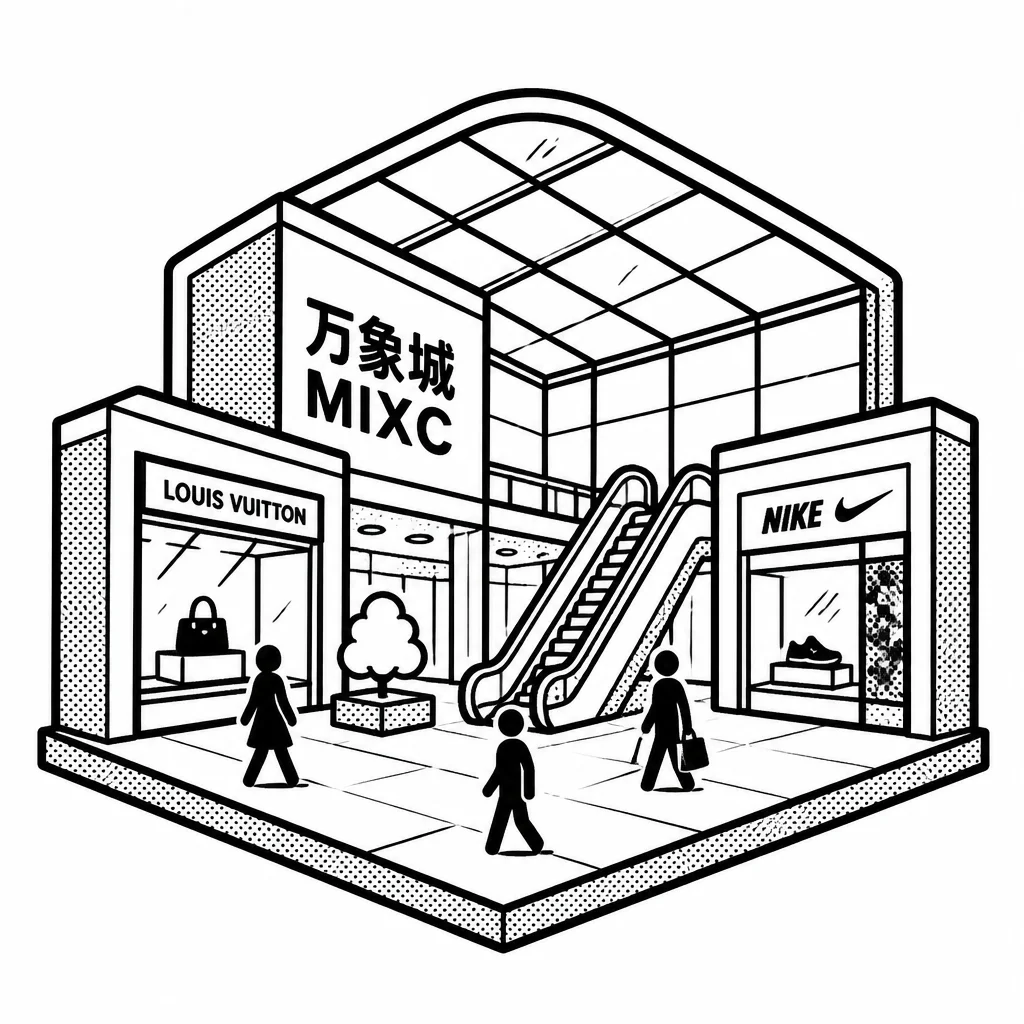
The business is essentially a giant collection of shopping centres across Chinese cities. When you walk into one of its malls, the stores inside are the customers of the trust. They sign leases and pay rent for the space, and the trust keeps the properties maintained and busy so that shoppers keep coming and tenants keep renewing. Owning physical buildings ties up a lot of money, so the clean way to grow is to buy more good properties, improve the ones it already owns, and keep occupancy high. For an investor, this is a way to earn income from Chinese retail property without buying a mall yourself. The trade-off is that the trust's fortunes move with China's economy, consumer spending, and the health of its malls. A weak retail environment or falling mall traffic hurts the rent it can charge and the value of its buildings. The shares are traded on the Singapore Exchange, and the trust distributes most of its income to unitholders, which is the main reason people own it.
Its shopping malls put it in the same broad business as other retail landlords. In China, it competes for tenants and shoppers with the big mall operators, and the wider retail market is changing as more shopping moves online. That shift is a real risk: malls have to give people a reason to leave their phones and show up in person, whether through food, entertainment, or experiences. The trust's job is to keep its properties desirable in a retail world that is being reshaped by e-commerce and cautious consumer spending.
Saved answer · last researched 12 Nov 2026