Understand any stock in simple English
Enter a ticker to learn what the company does and how it makes money.
Atul Ltd
Atul makes specialty chemicals — from dyes and polymers to crop protection and life-science ingredients — that it sells to industrial customers around the world.
Atul is an Indian chemicals maker whose products end up inside things you would never guess. It sells the building blocks — dyes, polymers, performance chemicals, crop-protection compounds, and life-science ingredients — to other manufacturers, who turn them into textiles, plastics, medicines, and farm treatments. You almost never buy an Atul product directly; your stuff is made with it.
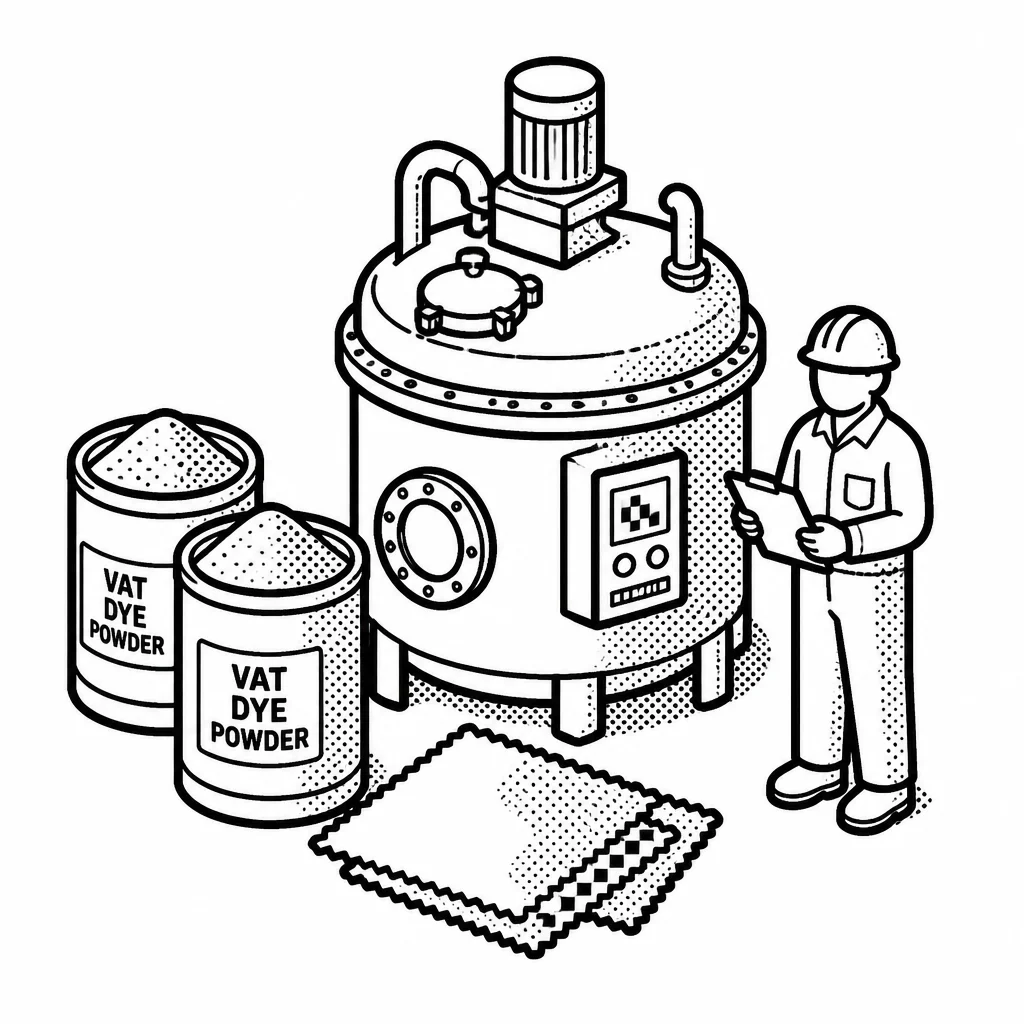
The business runs across several distinct segments. The life-science arm makes ingredients for pharmaceuticals, agrochemicals, and animal health. The performance and industrial chemicals side makes polymers, dyes, and intermediates that flow into textiles, paints, and plastics. Crop protection rounds it out. It all sits on a foundation of basic chemistry: the company takes simple raw materials and runs them through reactors to produce molecules that are hard to make and easy to mess up — which is exactly why customers pay for reliability. That reliability is the moat. Industrial buyers do not want surprises; they want the same batch, the same spec, the same quality, every single time, from a supplier who will not vanish. Atul has spent decades building plants and process know-how around that promise, which gives it pricing power that pure commodity chemical producers usually lack. Its main competition comes from established Indian chemical groups and global specialty players.
The company is based in Gujarat, western India, and has been around since the 1940s — it was founded by the Lalbhai family, a business dynasty that also built Arvind, a major textile company. That long history matters less than what it signals: a deep bench of chemistry talent and an entrenched position among customers who order again and again. For a chemicals company, boring and consistent is the highest compliment.
Saved answer · last researched 15 Nov 2026