Understand any stock in simple English
Enter a ticker to learn what the company does and how it makes money.
AT & S Austria Technologie & Systemtechnik Aktiengesellschaft
AT&S makes the printed circuit boards and chip substrates that connect and carry the tiny components inside electronics.
AT&S makes the hidden plumbing of modern electronics. Almost every gadget with a chip inside needs a board to hold that chip and tiny pathways to carry signals between components, and AT&S manufactures those boards and the more advanced substrates that sit directly under powerful processors. Its customers are the companies that design and build electronics — phone makers, car suppliers, industrial equipment firms — who buy these parts and build them into their own products.
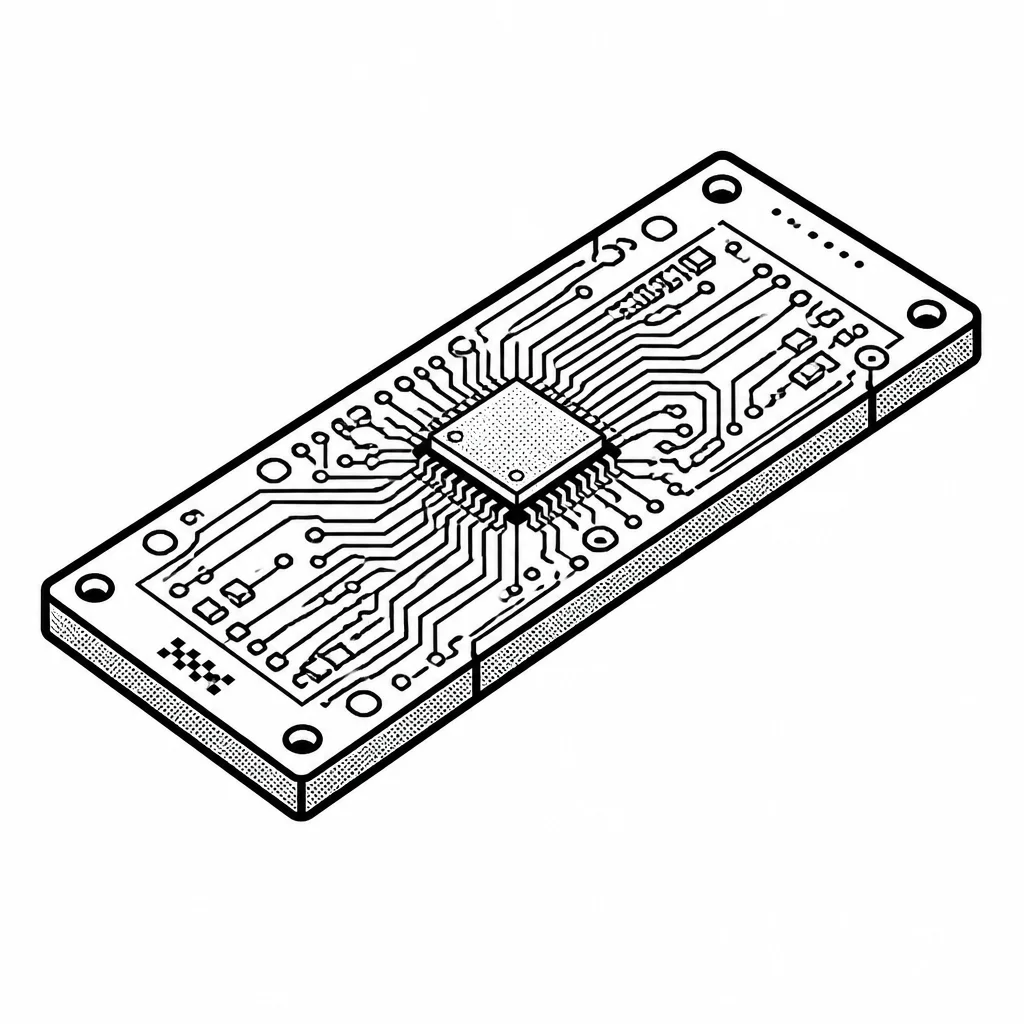
The business splits into two broad worlds. One is the classic printed circuit board, a mature, crowded, price-sensitive business where AT&S competes with many Asian manufacturers and margins are thin. The other is the high-end IC substrate, a much harder product to make: a dense, multi-layered sliver of material that connects a chip to the board while feeding it power and data. Substrates for cutting-edge chips are made by only a handful of firms worldwide, and that scarcity is where the growth and the ambition lie. Everything else is essentially a ticket to play in that game. That ambition has been expensive. AT&S spent years pouring money into new plants in Malaysia and Austria to win substrate business for high-performance computing and AI chips, and those factories are ramping up now. The payoff is a seat at the table with the biggest chip designers, but the bill was heavy: debt rose sharply, free cash flow went negative during the buildout, and the company had to raise fresh capital and pull back on spending. In its most recent fiscal year revenue dipped and profit fell hard as the new plants carried costs before their volumes arrived — a classic case of betting big before the customers show up in force.
The competitive map is brutal. In substrates it runs into large Asian players and the substrate arms of big chip-packaging groups, while in plain circuit boards it faces a long tail of low-cost rivals. Its edge is engineering and a willingness to build capacity for the most demanding chips; its vulnerability is that this is a capital-hungry, cyclical business where a single big customer's order cut can hurt. AT&S still pays a dividend, though it trimmed it as the heavy spending years squeezed cash. The whole story now hinges on whether those shiny new factories fill up fast enough to turn the bet into profit.
Saved answer · last researched 14 Nov 2026