Understand any stock in simple English
Enter a ticker to learn what the company does and how it makes money.
AtkinsRéalis Group Inc.
AtkinsRéalis is an engineering and construction company that designs and builds big projects like mines, power plants, and public infrastructure around the world.
AtkinsRéalis is one of the world's big engineering and construction firms. Governments, mining companies, and utilities hire it to take a project from a drawing on paper to a finished thing in the ground — a subway line, a nuclear reactor, a mine, a water treatment plant. The company's engineers do the design work, and its construction teams manage the building. It also runs a large consulting arm that advises clients on planning, environmental work, and keeping existing assets running.
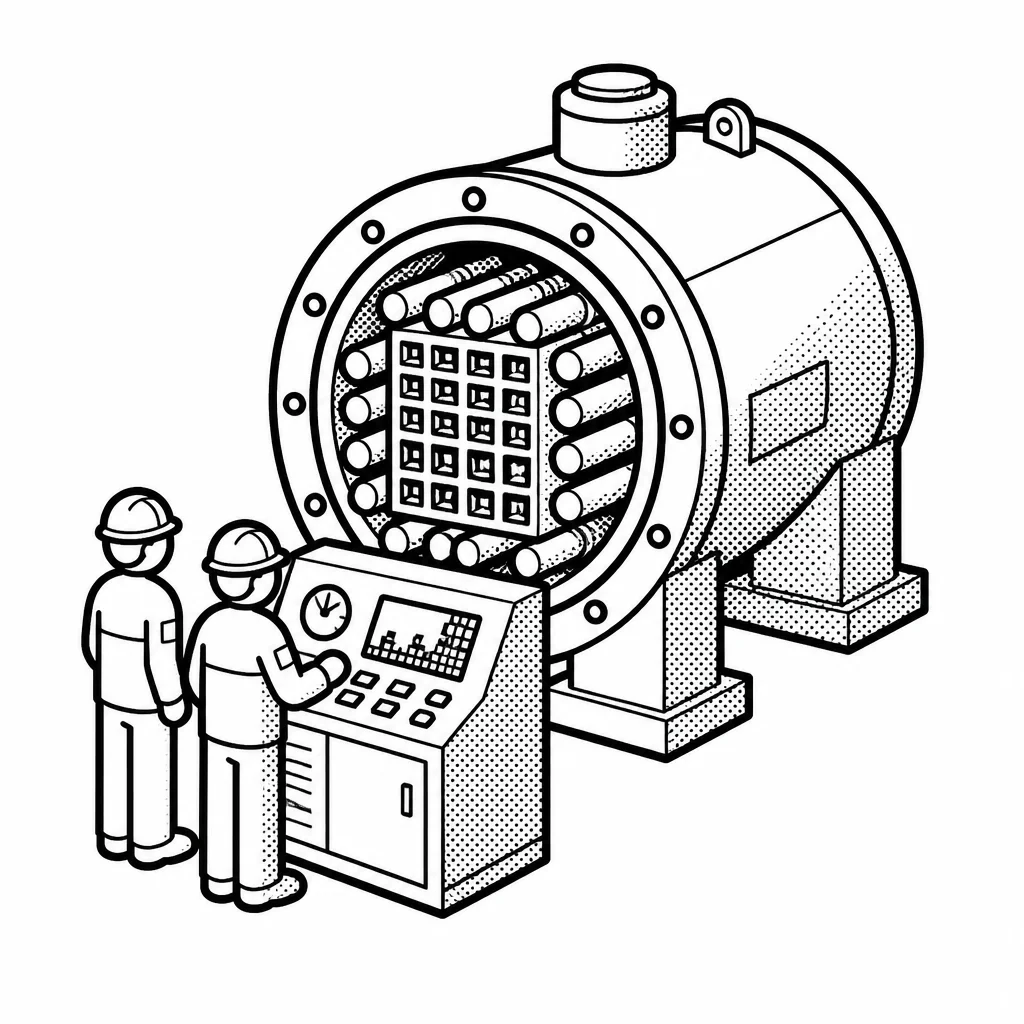
The name AtkinsRéalis is new, but the business is old. For decades the company was known as SNC-Lavalin, a Canadian giant that grew by winning huge contracts and, for a long stretch, by owning a stake in a major highway network. That era ended messily. A scandal over alleged bribery in Libya led to a criminal charge, a guilty plea, and a lengthy fight with the Canadian government over a settlement. The company also took a costly wrong turn into a fixed-price contract to build a mine in Chile, which blew past its budget and cost shareholders dearly. Those wounds pushed a turnaround: exit the risky businesses, sell the highway stake, and refocus on engineering and consulting. Today the company is split into two overlapping pieces. One is engineering services — the steady, fee-based consulting and design work that pays whether or not a project ever breaks ground. The other is larger project delivery, where AtkinsRéalis takes on construction and holds stakes in the infrastructure it builds, like toll roads and bridges. The company has pushed hard into nuclear power, an area where its expertise is genuinely scarce and demand is rising as governments look for clean, reliable energy. It also works heavily in mining and clean energy, and it earns money from minority stakes in public-private partnerships, which pay it back slowly over decades.
The turnaround has shown up in the numbers. In 2024 the company reported roughly 9 billion Canadian dollars in revenue, up about 13 percent from the year before, with the engineering services side carrying most of the profit. The stock has done well as investors grew to trust the cleaner, more predictable business. Competitors include Fluor and Jacobs Solutions in engineering, plus a long list of regional construction firms. The big risk is the same one that hurt it before: fixed-price construction contracts that can turn into money pits when costs run over. That is exactly why management has been steering toward consulting and recurring work, and why the market now rewards it for doing so.
Saved answer · last researched 12 Nov 2026