Understand any stock in simple English
Enter a ticker to learn what the company does and how it makes money.
Grupo Aeroportuario del Sureste, S. A. B. de C. V.
ASUR runs airports in Mexico and Colombia, collecting fees from airlines and passengers who use them.
ASUR is an airport operator. It doesn't fly planes or sell tickets. It runs the buildings, runways, and terminals that airlines and travelers pass through, and it earns money from both sides: airlines pay to land and park, and passengers pay fees baked into every ticket, plus whatever they spend on food, parking, and taxis along the way.
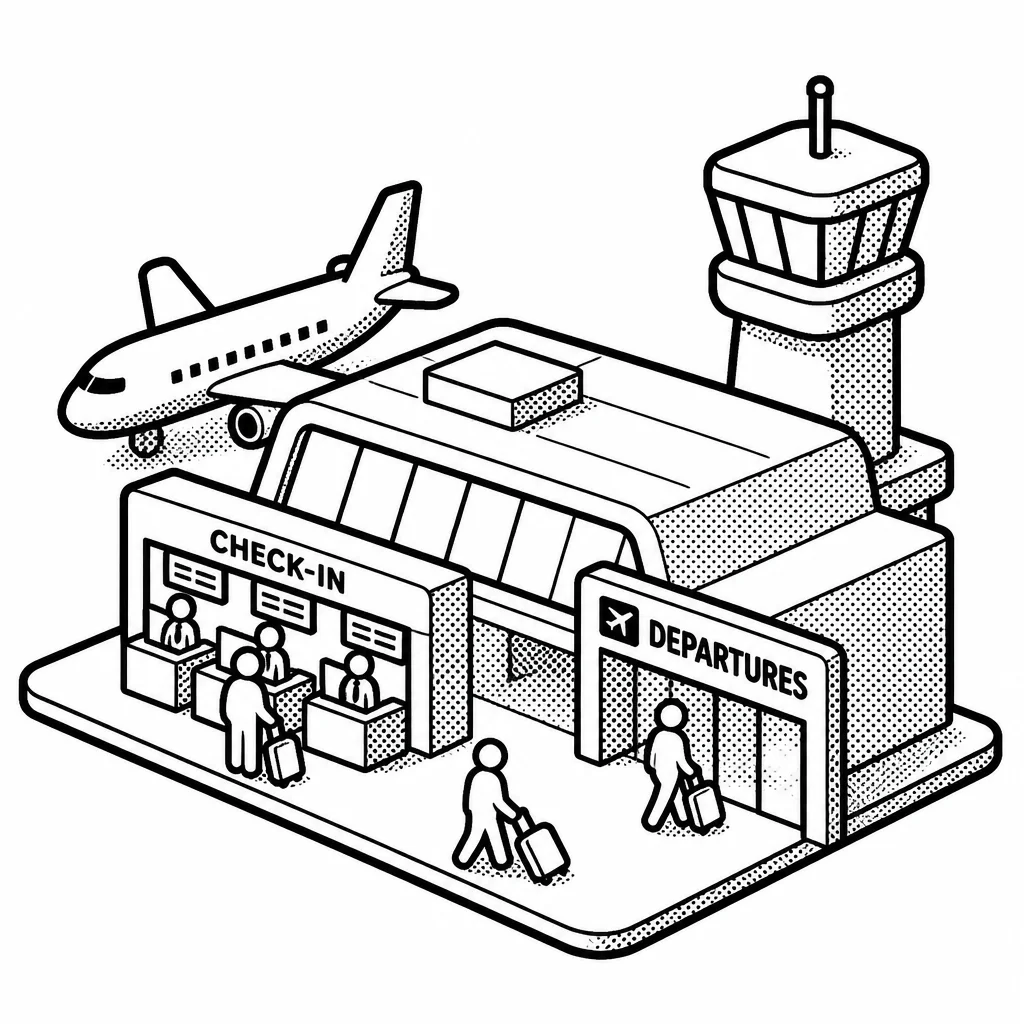
Its main asset is a group of airports in southeastern Mexico, anchored by Cancún, the big resort gateway that funnels tourists onto the beaches of the Riviera Maya. It also runs a cluster of smaller airports in the region, and it owns airport stakes in Colombia, including a share of Bogotá's busy El Dorado terminal. A traveler heading to Cancún for a week in the sun is, without noticing, paying ASUR a little on the way in and a little on the way out. This is a lovely business in the way toll roads are lovely. Airports are hard to duplicate, so ASUR faces little direct competition in most of its cities, and the money arrives in small slices from millions of people who have no real alternative. The catch is that it depends on tourism and travel demand, which can vanish quickly in a pandemic or a recession. It also operates under government concessions with regulated fees, so it can't simply charge whatever it likes.
ASUR likes to return cash to shareholders. The company has paid large dividends and bought back a meaningful chunk of its shares over the years, and it has grown by adding airport concessions in Colombia and Puerto Rico rather than sitting still. The simple version: ASUR owns the doorways to some of Latin America's favorite vacation spots, and it collects a toll from nearly everyone who walks through.
Saved answer · last researched 12 Nov 2026