Understand any stock in simple English
Enter a ticker to learn what the company does and how it makes money.
Astec LifeSciences Limited
Astec LifeSciences makes the chemical ingredients inside crop-protection products and some medicines, and sells them to agrochemical and pharmaceutical companies.
Astec LifeSciences is a chemical manufacturer that makes the active ingredients inside crop-protection products — the part of a pesticide or fungicide that actually does the work — along with intermediates used to make pharmaceuticals. It sells these to agrochemical and drug companies rather than to farmers directly, and much of its output goes to export markets. In plain terms, it's a contract maker of complicated molecules: customers bring the recipe, and Astec runs the reactors, handles the chemistry, and ships the ingredient.
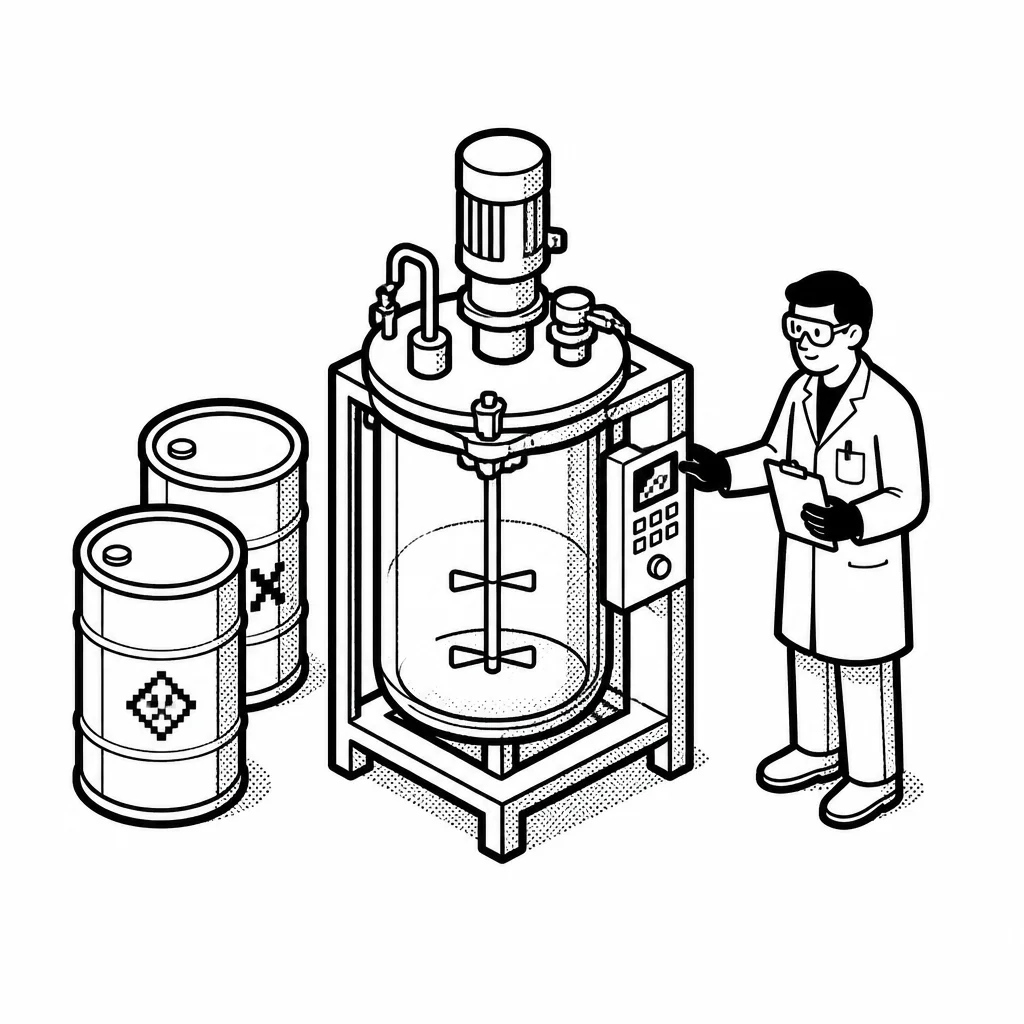
The business sits in a tough, cyclical corner of the chemical world. Agrochemical demand swings with farmer incomes, monsoon seasons, and crop prices, and prices for its products move around a lot. Astec's customers are large agrochemical players who want reliable supply of key ingredients without building every plant themselves. Its edge, when it has one, is chemistry know-how and the ability to scale a molecule from lab to factory. Its weakness is that it depends on a handful of products and customers, so a weak season or a price drop hits hard. The company is part of the Godrej group — Godrej Industries is its parent — which gives it backing but also ties its fortunes to a larger family of businesses. The pharma intermediates side adds a second leg, though agrochemicals remain the core. Competition comes from other Indian contract manufacturers and from Chinese chemical producers, who can be aggressive on price. Regulatory and environmental rules matter enormously here: chemical plants need approvals, and safety or pollution problems can shut production down. Financially, Astec is a small-cap with a history of lumpy results. Revenue and profits have swung with agrochemical cycles, and the company has invested in expanding capacity. That spending is the bet: more plants and more molecules mean more business if demand cooperates, but fixed costs bite when it doesn't. There's no big dividend story here — the cash tends to go back into the factories.
The simple takeaway: Astec is a behind-the-scenes chemistry shop for the farming and drug industries. It doesn't sell to you or me. It sells reliability and chemical skill to companies that need ingredients made to spec, and it lives or dies on whether those customers keep ordering through good seasons and bad.
Saved answer · last researched 15 Nov 2026