Understand any stock in simple English
Enter a ticker to learn what the company does and how it makes money.
Aspen Aerogels, Inc.
Aspen Aerogels makes a special super-thin insulation blanket that keeps heat in or out, and sells it mainly to energy and electric-car companies.
Aspen Aerogels makes a material called aerogel — the lightest solid insulation on earth, a wispy silica gel that is about 95% air and an extraordinary insulator. The company turns it into thin, flexible blankets that block heat, fire, and cold in places where thick foam or fiberglass simply won't fit. That is its whole business: selling those blankets and thermal barriers to three groups — oil and gas operations, makers of electric-vehicle batteries, and the building materials market.
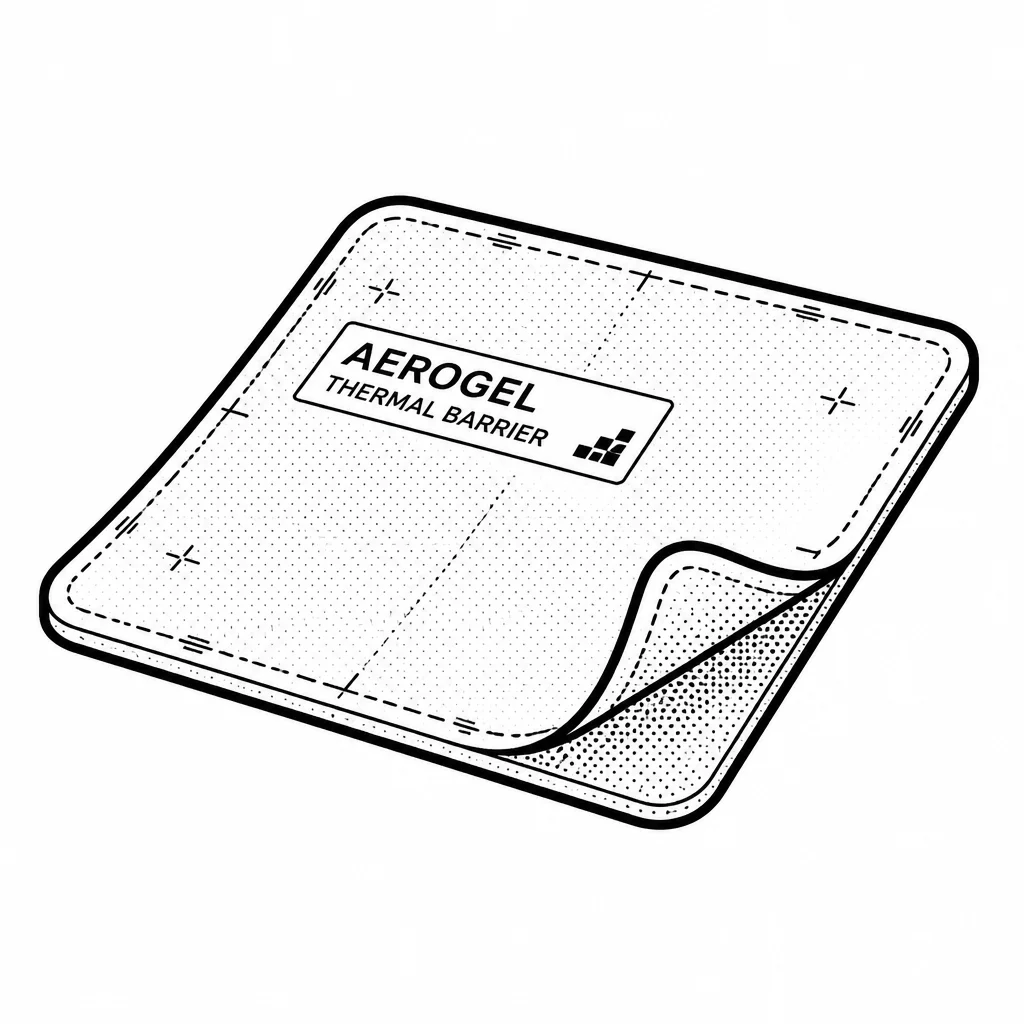
The biggest and oldest customer is the energy business. Oil and gas companies wrap aerogel blankets around pipes and equipment to keep heat where they want it and stop corrosion, especially offshore where space is tight and every layer counts. That segment has historically been the company's foundation, but the growth story is batteries. Aspen sells a product called PyroThin that sits inside electric-vehicle battery packs and acts as a fireproof barrier between cells, so a single overheating cell doesn't start a chain reaction. Automakers buy it because safety regulations and customer fear make battery fires a serious problem they have to solve. The real draw — and the real vulnerability — is that aerogel is hard to make at scale, so Aspen has few direct competitors with its combination of performance and manufacturing capacity. It has spent heavily to build big new plants, including one in Georgia, betting that the EV battery market will grow fast enough to fill them. That bet cut into profits while demand was ramping, and the company has leaned on automotive contracts to justify the spending. Customers choose Aspen over cheaper conventional foam when thinness, weight, and fire safety actually matter, which is why the EV push is where the future lies.
Aerogel itself was invented in the 1930s and was once a lab curiosity too fragile and expensive to matter. Aspen was founded in 2001 to make it practical, went public in 2022, and now sells aerogel on a commercial scale. For a small company, the swing factor is simple: whether automakers adopt PyroThin widely enough to turn those factories into steady cash. If they do, Aspen owns a scarce, hard-to-copy position in a fast-growing market. If EV demand cools, it has expensive plants to pay for.
Saved answer · last researched 15 Nov 2026