Understand any stock in simple English
Enter a ticker to learn what the company does and how it makes money.
Asker Healthcare Group AB (publ)
Asker Healthcare distributes medical supplies, devices, and equipment to healthcare providers and clinics across Europe.
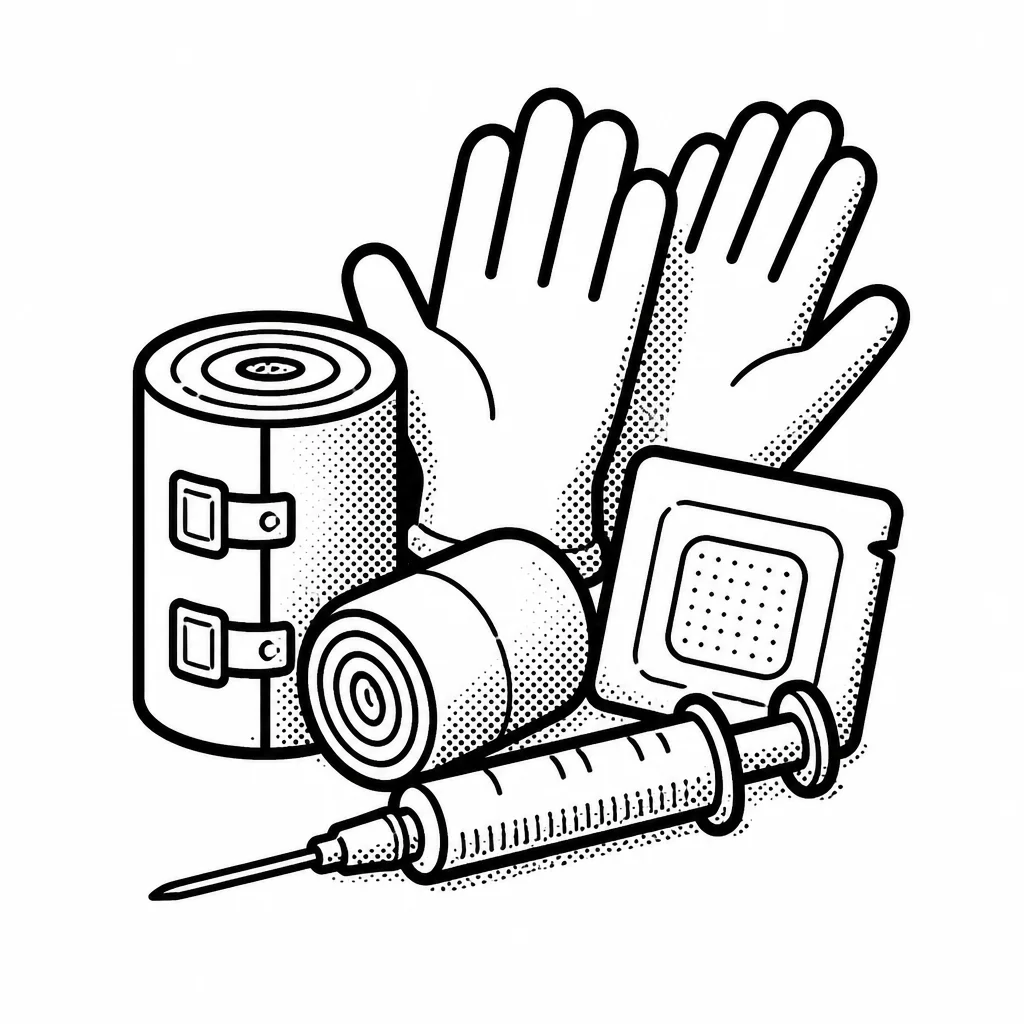
Asker Healthcare is a distributor of the everyday stuff that keeps healthcare running: bandages, gloves, syringes, wound-care products, diagnostic equipment, and the thousands of other items nurses and doctors reach for dozens of times a day. Hospitals, clinics, elderly-care homes, and home-care providers buy from Asker instead of negotiating separately with hundreds of manufacturers. Asker aggregates all those products, keeps them in stock, and delivers them reliably, which lets a clinic place one order and get one invoice rather than juggling a crowd of suppliers.
The company is headquartered in Sweden and has grown across Europe, largely by buying up regional distributors and letting them keep their local brands and customer relationships while sharing scale behind the scenes. That roll-up model is common in medical distribution because the business rewards size: bigger volumes mean better purchasing terms from manufacturers, denser delivery routes, and more warehouse efficiency. The customers are sticky, too, since switching a supplier means reworking procurement systems and risking supply interruptions, which few healthcare operators want. The economics are thin-margin but steady. Asker earns a small spread between what it pays manufacturers and what it charges providers, and it makes the model work through high order volumes and efficient logistics rather than pricing power. That makes execution and scale the whole game. Its main competitors are other large European medical distributors and, to some extent, manufacturers that sell directly or group purchasing organizations that squeeze prices.
Asker's edge comes from being the reliable middleman in a market where reliability matters more than flash. The risk is equally plain: thin margins leave little room for error, and consolidation among both suppliers and customers can shift bargaining power. But as healthcare spending grows and providers keep outsourcing procurement to specialists, the boring business of getting the right box to the right clinic on time keeps looking like a decent place to be.
Saved answer · last researched 12 Nov 2026