Understand any stock in simple English
Enter a ticker to learn what the company does and how it makes money.
ASSA ABLOY AB (publ)
ASSA ABLOY makes and sells locks, doors, and access control systems that let the right people into buildings and keep everyone else out.
ASSA ABLOY is the world's biggest lock company. Its products are the things you barely notice until they fail: the lock on your front door, the card reader at the office entrance, the automatic sliding doors at the airport, and the electronic keycard you tap to get into your hotel room. The company sells to locksmiths, building contractors, security installers, and big facilities like hospitals and universities, mostly under brand names you'd recognize on the hardware itself rather than the corporate name.
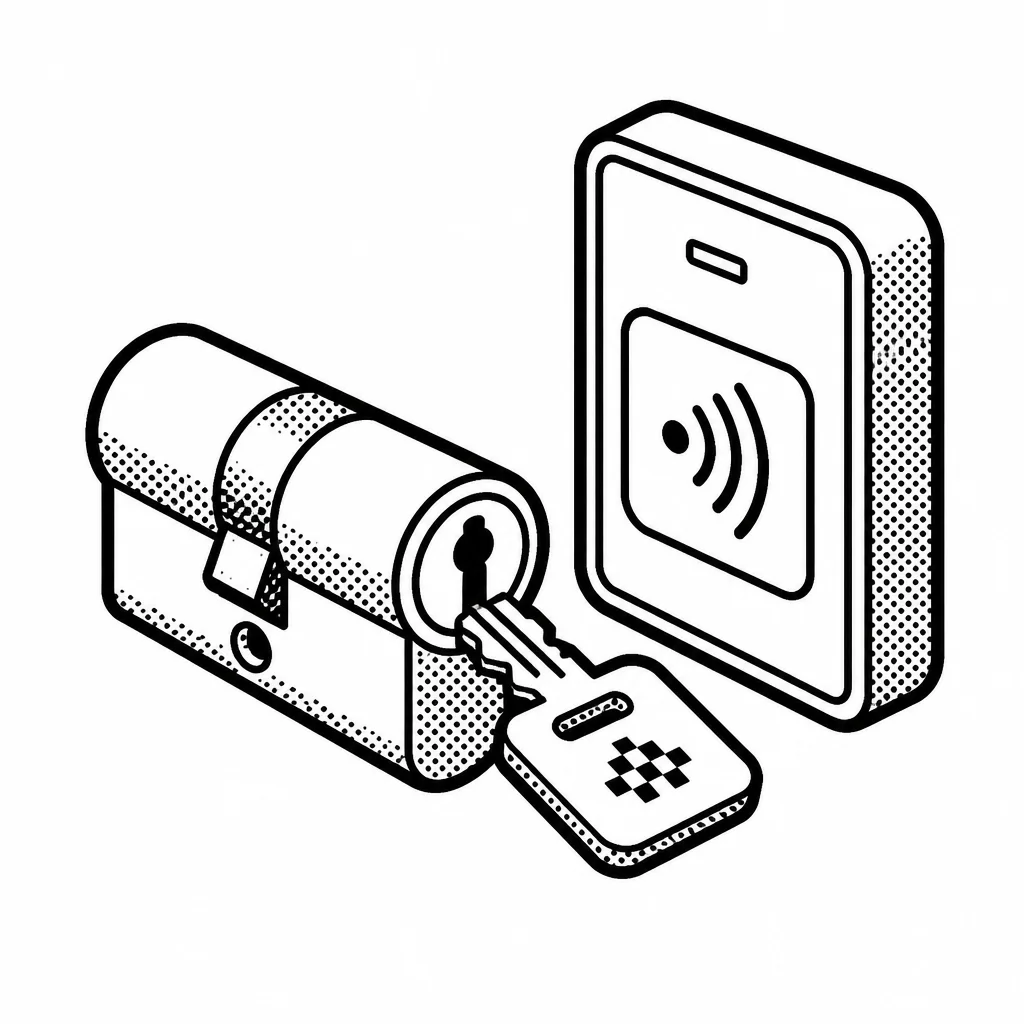
The business breaks into a few big chunks. One is mechanical locks and hardware — the traditional metal stuff, sold through distributors to builders and locksmiths. Another is electronic access control, where a growing share of the money comes from card readers, keyless entry, and software that tracks who goes where. A third is entrance automation, meaning automatic doors and gates for busy buildings like malls and airports. There's also a smaller hospitality piece: the electronic door locks and check-in systems used by hotels. The pitch to customers is simple — one supplier with a huge catalog, global service, and brands that specifiers already trust. What makes the company sturdy is that locks are a boring, repeatable purchase. Buildings get built and renovated constantly, and every new door needs hardware. Once a building standardizes on a brand and a keying system, switching is a hassle, so customers tend to stick around for decades. That stickiness, plus a long history of buying smaller lockmakers around the world, has made ASSA ABLOY a steady compounder: it has grown revenue consistently and turns a healthy chunk of sales into free cash flow. It spends that cash on acquisitions, dividends, and buying back its own shares.
The weakness is that it is a mature, cyclical business tied to construction and renovation spending. When building activity slows, orders slow with it. It also faces competition from large rivals like Allegion in locks and access control, plus a crowd of regional players and tech companies pushing smart locks and software. The bet management is making is that buildings will keep getting smarter — more sensors, more digital credentials, more software — and that owning the door gives ASSA ABLOY a natural spot to sell all of it.
Saved answer · last researched 15 Nov 2026