Understand any stock in simple English
Enter a ticker to learn what the company does and how it makes money.
Alerion Clean Power S.p.A.
Alerion builds and runs wind, solar, and small hydro power plants and sells the electricity they produce.
Alerion Clean Power is a renewable energy producer. It builds and operates wind farms, solar parks, and small pumped-hydro plants, then sells the electricity those plants generate. Its customers are essentially the power grid and the utilities and businesses plugged into it — anyone buying electricity in Italy, Spain, Bulgaria, and Romania.
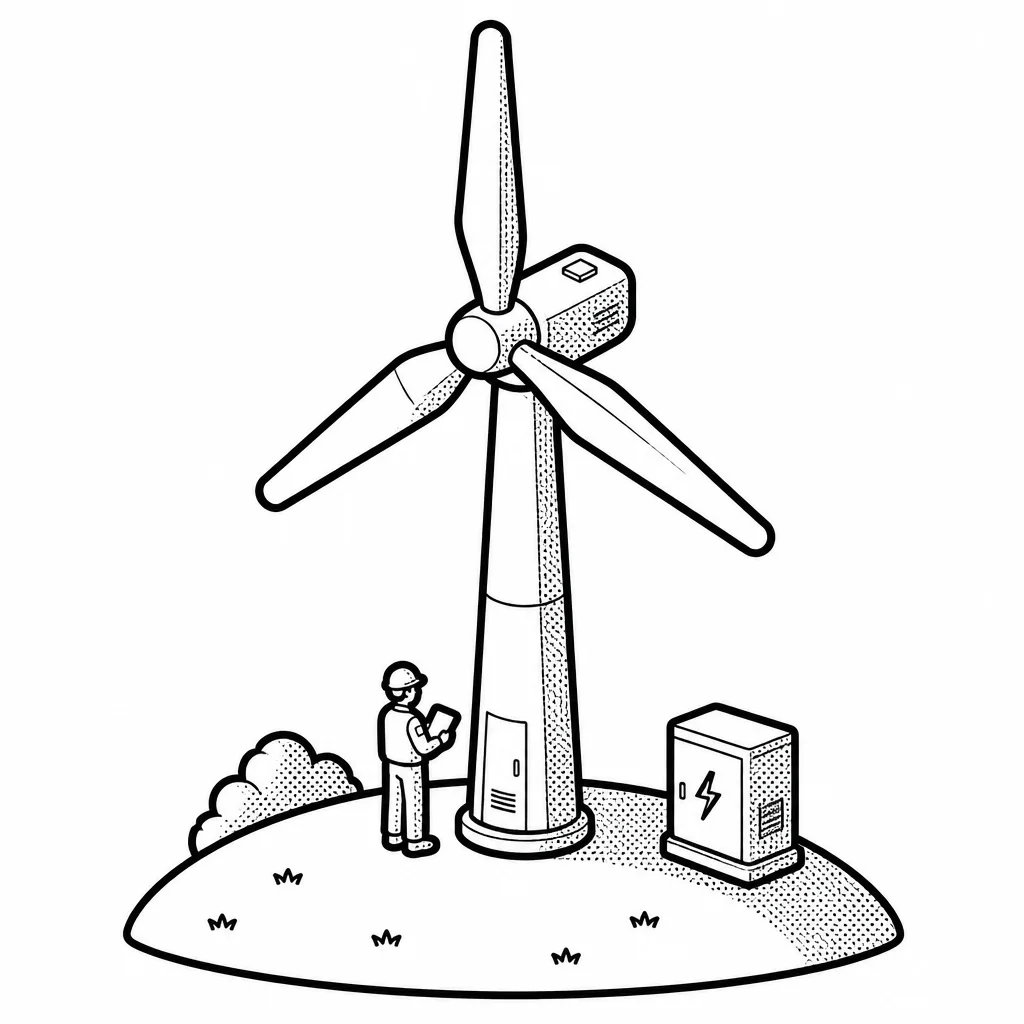
The business model is simple to grasp. Alerion spends money up front to put up a wind turbine or a field of solar panels, and then that hardware cranks out electricity for years with relatively low running costs. The wind and sun are free. Once a plant is built, the main job is keeping it spinning and collecting payment for the power. That makes it a bit like owning a toll bridge that charges a tiny fee every time the wind blows or the sun shines. The appeal of this setup is that renewable plants have become cheap to build and increasingly valuable to own, because governments and power buyers want clean electricity. But Alerion is a small player in a crowded field. It competes for wind and sun with far larger producers and with utilities that have deeper pockets, and its fortunes swing with electricity prices, weather, and the rules each country sets for renewables. Italy is its home base and biggest market, and the company is headquartered there.
Alerion is controlled by a major Italian industrial family, and it has grown largely by developing and buying plants rather than inventing new technology. The cash the plants throw off gets recycled into building or acquiring more capacity, which is how a small producer tries to become a bigger one. The honest summary: it owns real assets that generate steady, weather-dependent cash, and the whole bet rests on electricity demand, clean-energy policy, and whether it can keep adding capacity faster than costs and competition eat into its returns.
Saved answer · last researched 12 Nov 2026