Understand any stock in simple English
Enter a ticker to learn what the company does and how it makes money.
Aspen Pharmacare Holdings Limited
Aspen Pharmacare makes and sells medicines — from sterile injectable drugs to over-the-counter products — and sells them to hospitals, pharmacies, and consumers around the world.
Aspen Pharmacare is one of the biggest drugmakers in Africa, and it makes the kind of medicines that hospitals, doctors, and pharmacies reach for every day: sterile injectables given in hospitals, branded prescription drugs, and over-the-counter remedies you can buy without a prescription. Its headquarters are in Durban, South Africa, and it sells across both wealthy markets and emerging ones.
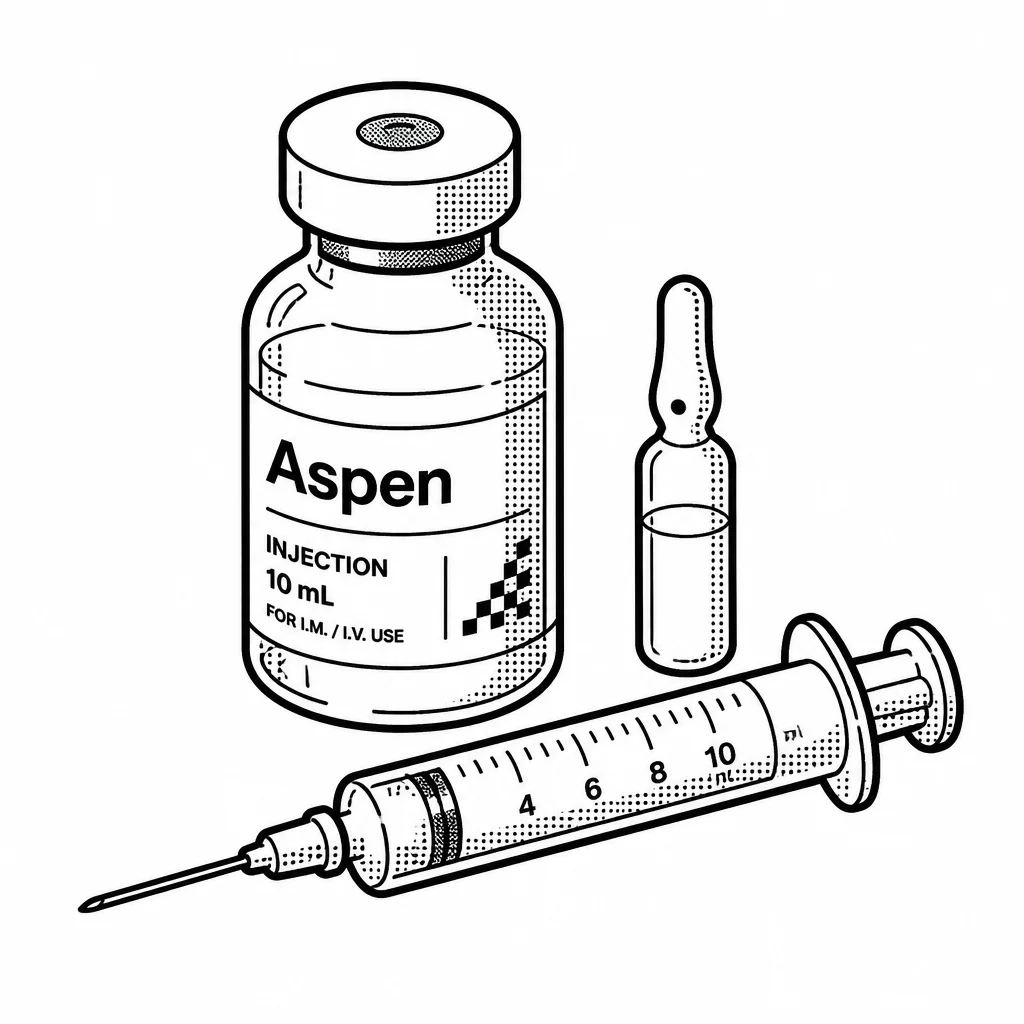
The business has two broad flavors. One is commercial pharmaceuticals — the everyday medicines that get prescribed or picked off a shelf, sold under Aspen's own brands or as generic versions of drugs other companies invented. The other is sterile manufacturing, where Aspen makes injectable products, often for other companies under contract, at plants that have to meet strict quality standards. That contract work matters because it fills expensive factories and turns Aspen into a supplier to other drugmakers, not just a brand owner selling to patients. Aspen's biggest edge is its geography. It built a dominant position in South Africa and other African markets where big global drugmakers often pay less attention, and it has expanded into places like Australia and Latin America. Around two decades ago the company made a bold bet by buying a large slice of the global injectable drug business from GlaxoSmithKline, including the rights to anesthetics and other hospital products, which pushed it far beyond its African base. That deal reshaped the company: it went from a regional generics player to a global supplier of injectable medicines.
The risks are real. Aspen sells medicines in countries with shaky currencies, price controls, and economies that can swing hard, so a weaker rand or a cash-strapped health system squeezes profits. It also faces competition from far larger generic drugmakers like Teva Pharmaceutical and Novartis-owned Sandoz, and its sterile manufacturing plants are costly to run and must keep passing regulatory inspections. Still, a company that makes the basics — the injections, the pills, the cough syrup — sells something people need even when the economy is bad, and that durable demand is the core of Aspen's story.
Saved answer · last researched 12 Nov 2026