Understand any stock in simple English
Enter a ticker to learn what the company does and how it makes money.
Aumovio SE
Aumovio makes the hardware and software that go into cars and industrial machines, from electronics and sensors to the code that runs them.
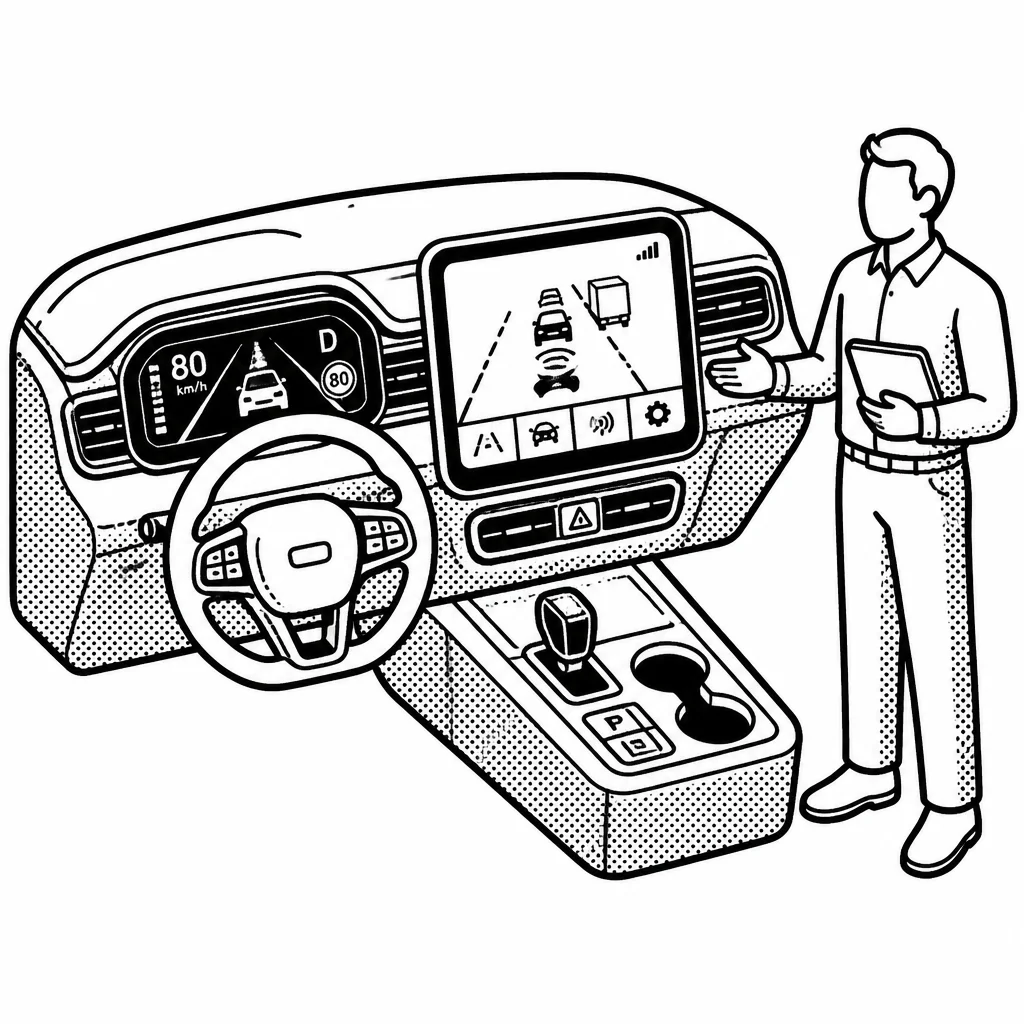
Aumovio is an automotive and industrial technology supplier. It builds the electronic hardware, sensors, and software that carmakers and machine makers put inside their products — the parts that sense what is happening, the computers that decide what to do, and the code that ties it all together. If you imagine a modern car as a computer on wheels, Aumovio supplies a big chunk of the nervous system.
The company was spun out of Continental, the German auto parts giant, and listed on the Frankfurt Stock Exchange's XETRA system in September 2025. That origin matters: Aumovio inherited Continental's automotive electronics and software business, which had been built up over decades supplying major carmakers. It is headquartered in Frankfurt, Germany. As a standalone company, its pitch is focus — a pure-play electronics and software supplier rather than a small piece of a sprawling tire-and-parts conglomerate. Who pays it? Car manufacturers and industrial customers around the world. They buy things like electronic control units, sensors, and software platforms because building this stuff in-house is expensive and getting harder as cars become more connected and software-driven. The trend toward electric vehicles and driver-assistance features means more electronics per car, not less, which is the long-term tailwind Aumovio is betting on. The risk is the flip side of that bet: carmakers are under pressure on costs and are pushing suppliers to cut prices, and the auto industry's shift to EVs has been bumpy, with demand growth slower than many expected.
Aumovio is not a household name, and that is fine — it is a "picks and shovels" supplier, selling the components that other companies' products are built from. Its fortunes rise and fall with global car production and with how fast carmakers add electronics and software. As a newly independent company, the key questions for investors are whether it can grow faster and earn better margins on its own than it did inside Continental, and whether it can win enough new business from carmakers to offset pricing pressure. It competes with other big auto suppliers like Bosch (private) and Aptiv, though Bosch is privately held and has no ticker.
Saved answer · last researched 12 Nov 2026