Understand any stock in simple English
Enter a ticker to learn what the company does and how it makes money.
AMERISAFE, Inc.
AMERISAFE sells workers' compensation insurance to small and mid-sized employers in dangerous industries like construction, trucking, and logging.
AMERISAFE sells workers' compensation insurance — the coverage that pays medical bills and lost wages when an employee gets hurt on the job. Its customers are small and mid-sized employers in genuinely dangerous lines of work: construction, trucking, logging, agriculture, manufacturing. A roofing company with thirty workers, a small trucking fleet, a sawmill. These are businesses where injuries are not hypothetical, and where a single serious accident can produce a claim big enough to sink the company.
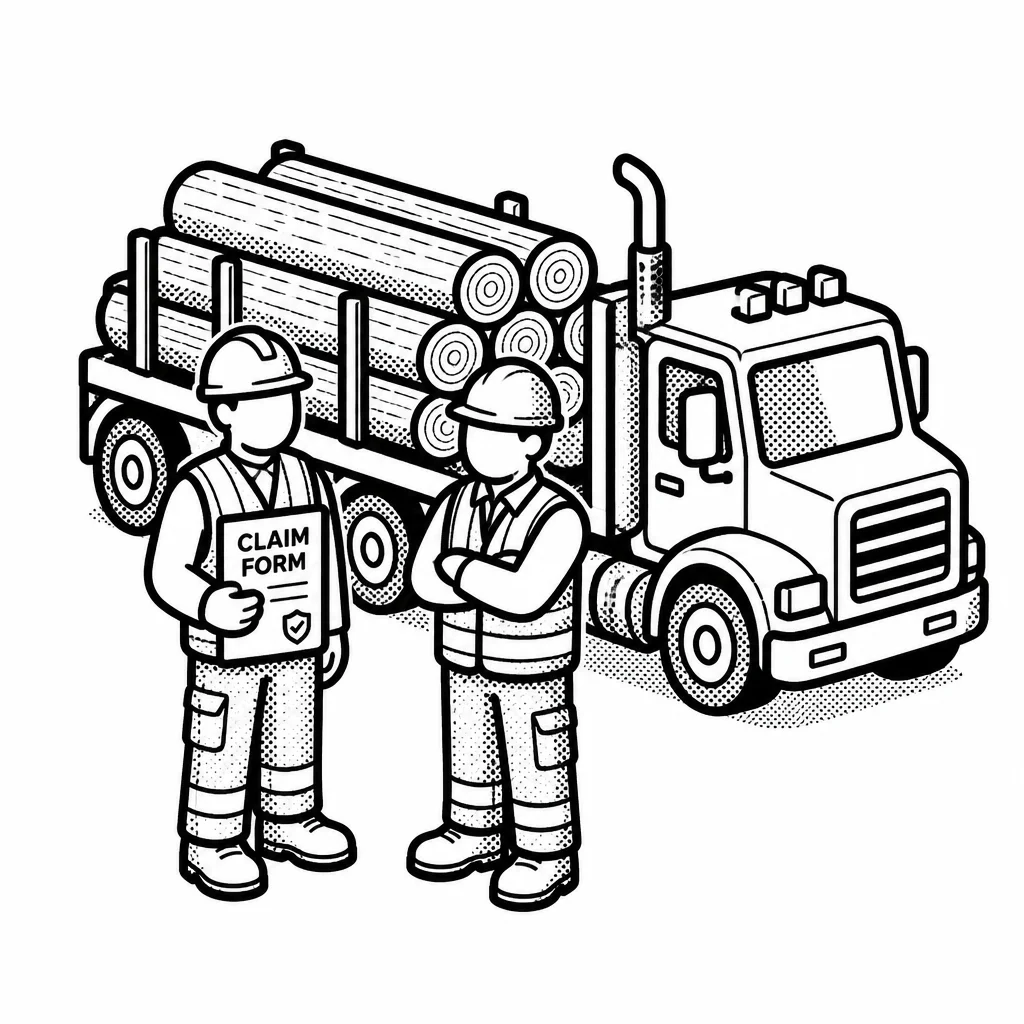
The pitch is focus. A giant insurer treats a logging outfit as one small policy among millions and prices it with a generic formula. AMERISAFE has spent decades insuring almost nothing else, so it knows which jobs maim people, how often, and what those claims cost. It pairs that knowledge with aggressive safety programs — its own safety consultants visit job sites, study accident patterns, and push employers to fix hazards before someone gets hurt. Fewer injuries means fewer claims, which means lower costs for the insurer and lower premiums for the customer. That alignment is the whole business. The company is headquartered in DeRidder, Louisiana, a small town in the state's western pine belt — logging country, which is fitting. It was founded in 1986 and has operated as a public company since 2005, when it listed on Nasdaq. It sells through independent insurance agents and brokers rather than a big direct sales force, and it operates across most of the United States, with particular strength in the South and Midwest.
Workers' comp is a cyclical, regulated business, and AMERISAFE's results swing with the insurance cycle: when competitors cut prices to win business, premiums soften; when the market hardens after big losses, prices rise. The company's edge is underwriting discipline — it would rather shrink than write policies it thinks are mispriced. It also invests its premium float conservatively, mostly in bonds, and returns a large share of profits to shareholders through dividends and buybacks. The risks are real: a few severe accidents in a single year, medical costs rising faster than premiums, or a long soft market can all dent results. But the formula — deep expertise in hazardous work, safety programs that reduce claims, and a willingness to walk away from bad business — is a durable one.
Saved answer · last researched 15 Nov 2026