Understand any stock in simple English
Enter a ticker to learn what the company does and how it makes money.
Amcor plc
Amcor makes the packaging that holds food, drinks, medicine, and household products — from flexible films and pouches to rigid bottles and closures.
Amcor is a packaging giant. If you buy a bag of chips, a yogurt cup, a bottle of shampoo, or a blister pack of pills, there is a decent chance the container holding it was designed and made by Amcor. The company sells flexible packaging (films, pouches, and wraps) and rigid packaging (bottles, jars, and closures) to food, beverage, healthcare, and consumer goods companies. Its customers are the brands on the label, not the people carrying the bag home.
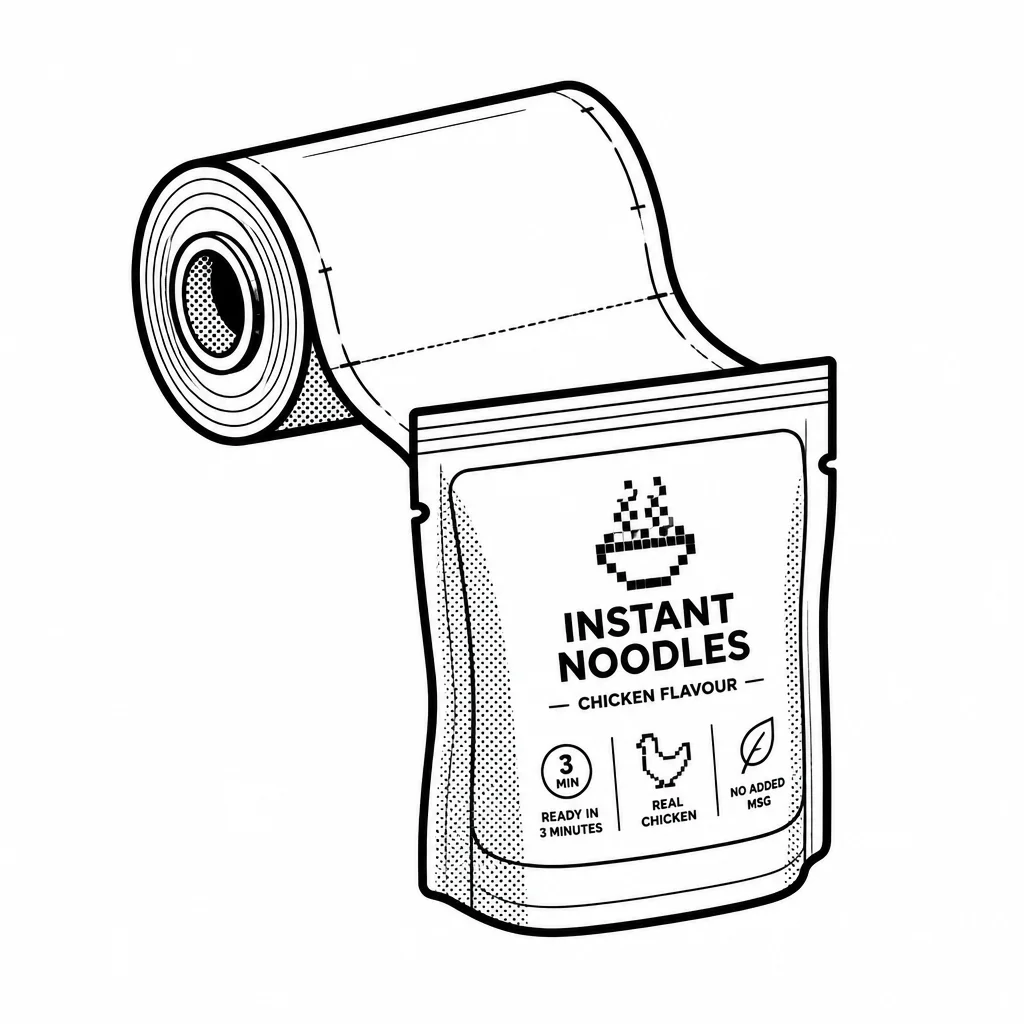
The business model is straightforward but powerful. Amcor designs and manufactures packaging at hundreds of plants worldwide, then sells it in enormous volumes to consumer goods companies. Packaging is a small slice of a customer's total cost but critical to keeping products fresh, safe, and attractive on a shelf. Switching suppliers means re-engineering production lines and re-qualifying materials, so customers tend to stay put. That stickiness, plus long-term contracts and scale, helps Amcor earn steady profits even when consumer spending wobbles. Amcor's scale matters because packaging is a low-margin, high-volume game. The more plants, the more geographic reach, and the more resin it buys, the lower its unit costs. It competes with big rivals like Sealed Air and Berry Global, and smaller regional players. Growth comes from acquisitions, emerging markets, and higher-value products like sustainable packaging and healthcare films. The company has also invested heavily in recyclable and recycled-content packaging as regulators and brands push to cut plastic waste.
Amcor is headquartered in the UK but listed on the NYSE, and it generates most of its revenue outside the US. It is a dividend payer with a long track record of returning cash to shareholders, and it uses free cash flow to fund acquisitions, buy back shares, and pay down debt. The biggest risks are resin price swings, slow consumer demand, and environmental regulation — but the core business is durable: people keep eating, drinking, and taking medicine, and all of that needs packaging.
Saved answer · last researched 12 Nov 2026