Understand any stock in simple English
Enter a ticker to learn what the company does and how it makes money.
Ambu A/S
Ambu makes single-use medical devices — mainly cameras used for looking inside the body and equipment for breathing and monitoring patients — and sells them to hospitals and rescue services.
Ambu makes the throwaway medical gear that helps doctors see inside your body and keep you breathing. Its biggest business is single-use endoscopes: thin, flexible cameras that go down your throat or into your lungs and gut so a doctor can look around without cutting you open. Because the scope is used once and tossed, hospitals don't have to clean and disinfect it for the next patient — a real selling point, since reusable scopes are notorious for spreading germs when cleaning goes wrong.
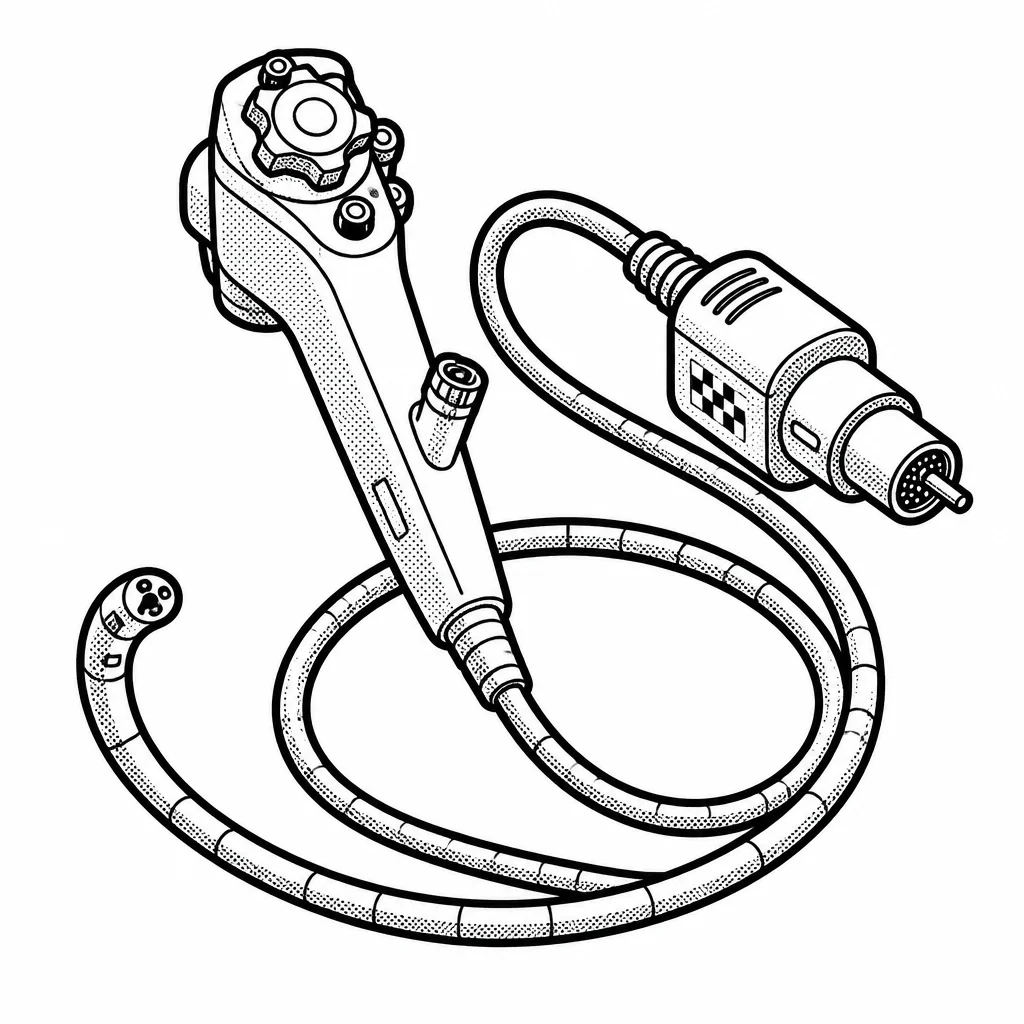
The company also sells anesthesia and breathing equipment, like face masks and resuscitation bags used in operating rooms and ambulances, plus electrodes and sensors that monitor a patient's heart and brain. So its customers are hospitals, clinics, and rescue services, and they pay for a steady supply of disposable products rather than a big one-time machine purchase. That recurring, replace-the-used-one model is what makes the business attractive — once a hospital adopts Ambu's scopes, it keeps buying boxes of them. Ambu isn't the only game in town. It competes with big medical-device makers like Boston Scientific and Medtronic, and the single-use scope fight is fierce, especially in the huge market for colonoscopies, where rivals have pushed hard. Ambu has staked its future on winning that shift from reusable to disposable scopes, which is a bet that hospitals will pay more per procedure to cut infection risk and skip the cleaning hassle.
The company is headquartered in Ballerup, Denmark, and its story goes back a long way — it started in 1937 as Testa Laboratorium, a small maker of anesthesia equipment, before becoming Ambu. Today it's a global player, but it's also a reminder that medical devices are a tough, competitive game: the products sound simple, yet winning means constant innovation, regulatory approval, and convincing cost-conscious hospitals that disposable is worth it.
Saved answer · last researched 12 Nov 2026