Understand any stock in simple English
Enter a ticker to learn what the company does and how it makes money.
Amata Corporation Public Company Limited
Amata builds and runs industrial parks where factories set up shop, and it sells them land, power, water, and services.
Amata is in the business of building cities for factories. It takes a big piece of land, lays down roads, power lines, water pipes, and wastewater treatment, then sells or leases plots to manufacturers who want to build plants there. The company operates industrial estates in Thailand — most famously Amata City Chonburi and Amata City Rayong — and has expanded abroad into Vietnam and Laos. For a global manufacturer looking for a ready-made place to set up, Amata offers a plug-and-play industrial home: the infrastructure is already there, permits are handled, and neighbors are other factories rather than rice paddies.
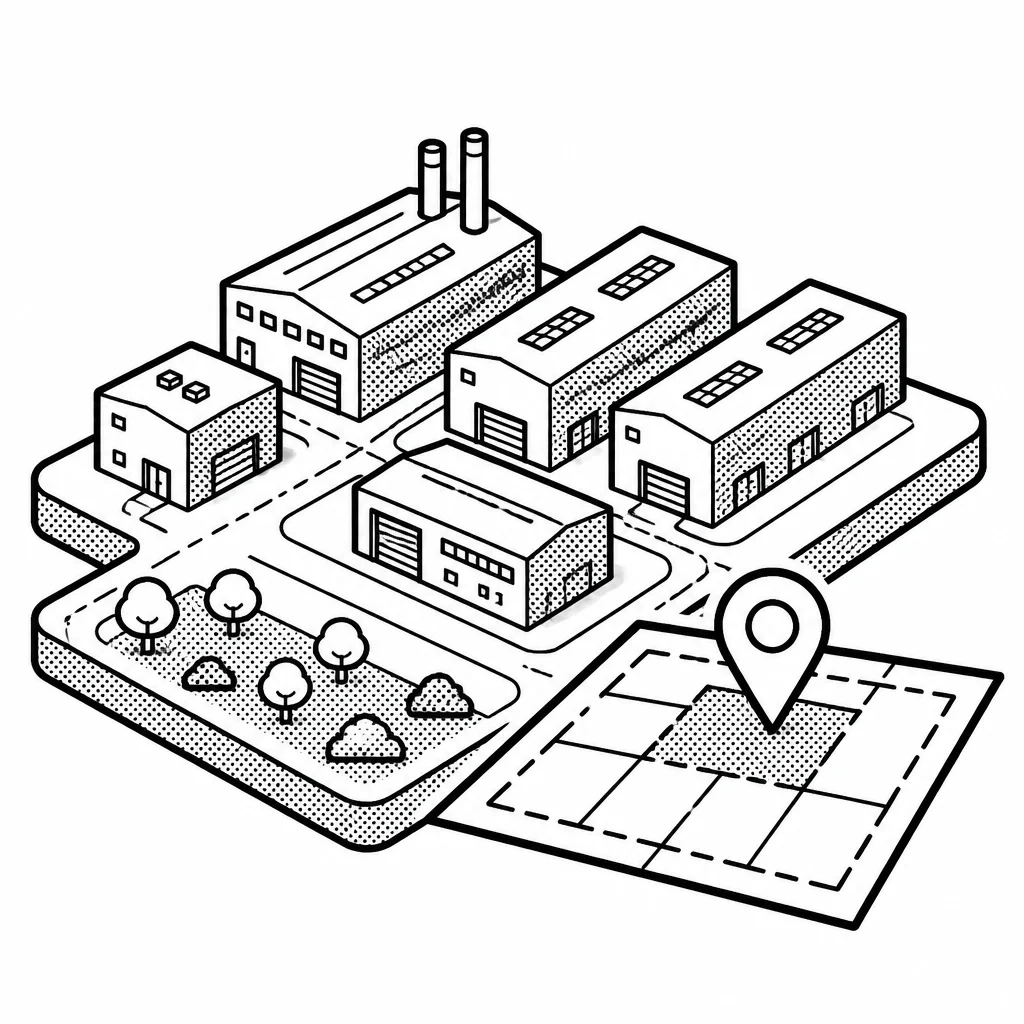
The money comes from a few places. The big one is land — selling plots outright or leasing them to industrial customers. On top of that, Amata earns recurring income from utilities: it supplies power, water, and wastewater services to the factories inside its parks, and it collects service and maintenance fees. It also runs a real-estate business renting out ready-built factories and commercial space. Utilities and services are the sticky part, because once a factory is inside the park, it keeps buying power and water every day. Amata's parks sit in the middle of the global supply chain shuffle. Thailand's Eastern Economic Corridor, where its Chonburi and Rayong estates sit, has become a magnet for electronics, auto, and EV manufacturers looking to diversify away from China. That has pulled in big tenants over the years — carmakers and electronics firms — and has made Amata's land bank in the region strategically valuable. The Vietnam operations give it a second growth engine, with industrial parks near Ho Chi Minh City and in the north. The business is cyclical and lumpy. Selling big land plots means revenue swings with the timing of deals, and demand rises and falls with global manufacturing investment. Utilities give it a steadier base, but the whole model depends on factories deciding to expand in Southeast Asia. Competition comes from other Thai estate developers and from industrial parks across Vietnam, Indonesia, and Malaysia. Still, land near ports, airports, and Bangkok is scarce, and a park with decades of infrastructure already built is hard to replicate quickly.
Amata pays dividends and reinvests in expanding its parks and its overseas footprint. For a patient investor, the appeal is simple: it owns scarce industrial land and the pipes that keep factories running, in a region where the world keeps moving its factories.
Saved answer · last researched 12 Nov 2026