Understand any stock in simple English
Enter a ticker to learn what the company does and how it makes money.
AltaGas Ltd.
AltaGas owns natural gas pipelines and processing plants and sells gas and electricity to homes and businesses across North America.
AltaGas is a Canadian energy company that does two big jobs. One part moves and processes natural gas — it gathers gas from producers, cleans it up, and ships it through pipelines to places that need it. The other part is a set of regulated utilities that deliver natural gas straight to homes and businesses, mostly in the United States, and also sell power to customers. So it sits on both ends of the energy chain: the messy middle where gas gets handled, and the front door where people actually use it.
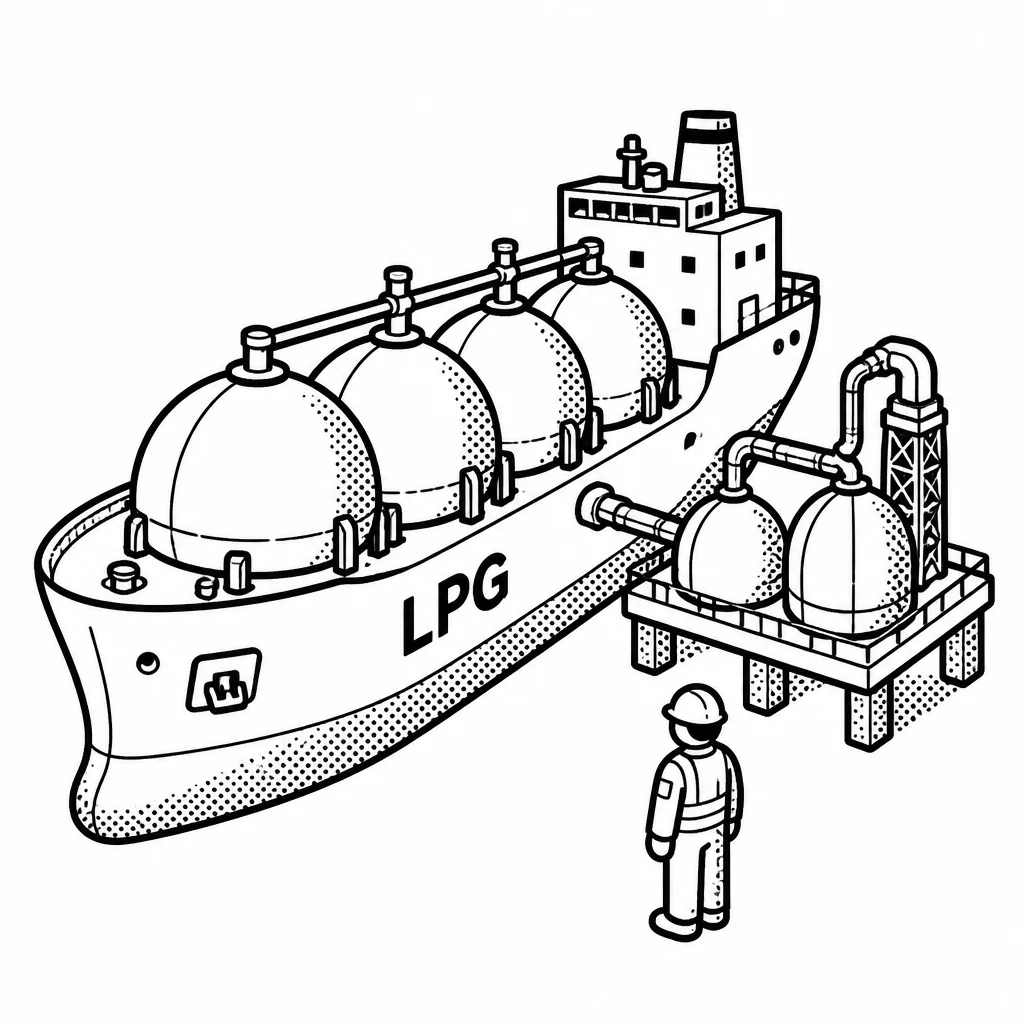
The midstream business is the money engine. AltaGas owns processing plants and gathering lines, largely in western Canada and the U.S., and charges fees to producers who need their gas cleaned and moved. It also owns export terminals on the West Coast that chill natural gas into liquid form and ship it to Asia, which is a growing and valuable piece because buyers overseas pay up for reliable energy. The utility side is steadier and more boring by design — regulators set the rates, so the cash flow is predictable and the company can keep investing in pipes and infrastructure that customers depend on. That mix matters. The fee-based midstream and export work throws off cash when energy prices are strong, while the regulated utilities provide a stable base when prices swing. AltaGas leans on that combination to pay a healthy dividend and to fund new projects — expanding processing capacity, building out export volumes, and upgrading utility systems. It's a bet that natural gas, and especially liquefied gas shipped abroad, stays in demand for a long time, even as the world talks about cleaner energy.
The risks are real: gas prices and global demand can fall, big projects can run over budget, and regulators can push back on rate increases. But the core idea is simple — AltaGas gets paid to handle a fuel that millions of people and businesses rely on every day, and it owns the plants and pipes that make that happen.
Saved answer · last researched 12 Nov 2026