Understand any stock in simple English
Enter a ticker to learn what the company does and how it makes money.
PT AKR Corporindo Tbk
AKR Corporindo distributes petroleum and basic chemicals across Indonesia, runs the trucks, ships and storage terminals that move them, and builds industrial estates where factories set up shop.
AKR Corporindo is one of Indonesia's big fuel and chemical delivery networks. It buys petroleum products and basic chemicals, then moves them to thousands of customers — factories, mines, power plants, and gas stations — across an island nation where getting anything from one place to another is genuinely hard. Most people never see the company, but a lot of Indonesian industry quietly runs on the fuel and chemicals it delivers.
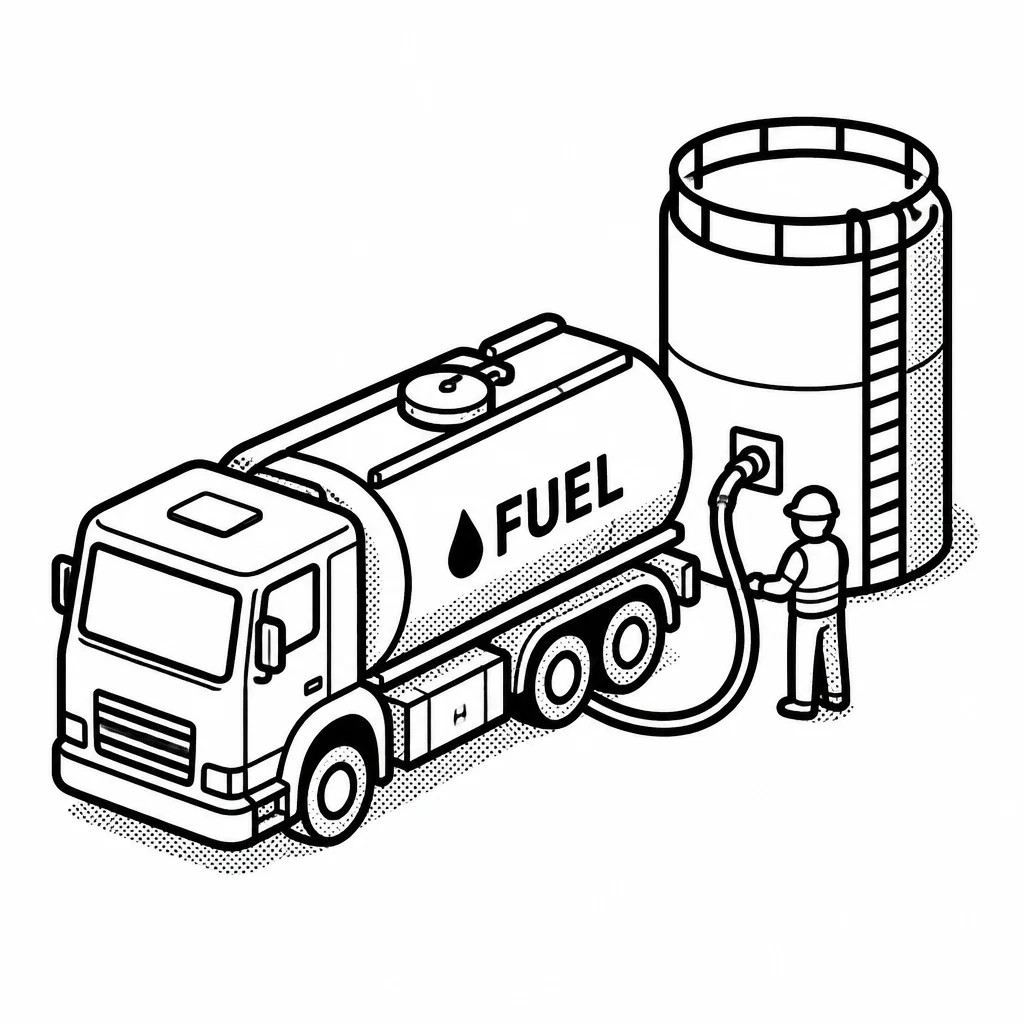
The business has two main engines. The first is distribution and logistics: the company owns ships, trucks, and storage terminals, which lets it control the whole journey instead of renting it out. That matters in Indonesia, where infrastructure is patchy and reliability is worth paying for. The second is its industrial estates, most notably the JIIPE estate in East Java — a huge planned zone with its own port and power, where AKR sells land and utilities to factories that want to set up near the water. It also has manufacturing operations that feed the chemical side. Customers stick with AKR because the fuel has to arrive, on time, in places where that's not a given. There's a nice piece of history here. The company started in 1977 as a small trading firm and grew by being the reliable middleman in a country that badly needed one. In 2010 it sold a big chunk of its fuel distribution business to Shell, but kept control of logistics and chemicals — a decision that shaped the company you see today. Its industrial estate bet is the boldest move: JIIPE is a long-term play on factories moving into Indonesia, and it's a real growth driver, but it's also capital-hungry and tied to how fast foreign manufacturers actually show up.
AKR makes money on the spread between what it pays for fuel and chemicals and what it sells them for, plus land and utility sales at its estates. The fuel distribution business runs on thin margins and depends on volume and logistics efficiency; the estate business is lumpier but higher-margin. The company pays dividends and has generally kept its balance sheet conservative — a good thing, since commodity-linked distribution can swing with fuel prices and government subsidy rules. Its main vulnerability is exactly that: fuel is a regulated, price-sensitive commodity, and Indonesia's subsidy policies can change the economics overnight. Competitors include state-backed players and other distributors, but AKR's edge is the physical network — ships, terminals, and land — which is expensive to copy and takes years to build.
Saved answer · last researched 12 Nov 2026