Understand any stock in simple English
Enter a ticker to learn what the company does and how it makes money.
AGL Energy Limited
AGL makes and sells electricity and gas to homes and businesses across Australia.
AGL is one of Australia's biggest energy companies, and it does two jobs that sound simple but are hard to pull off together. It runs power stations and gas assets that generate energy, and it also sells that energy — plus power bought from others — to millions of homes and businesses. Most customers know AGL from a bill in the mail or a rate plan they picked, but the company is really a giant machine that buys fuel, runs plants, and manages the complicated task of keeping the lights on.
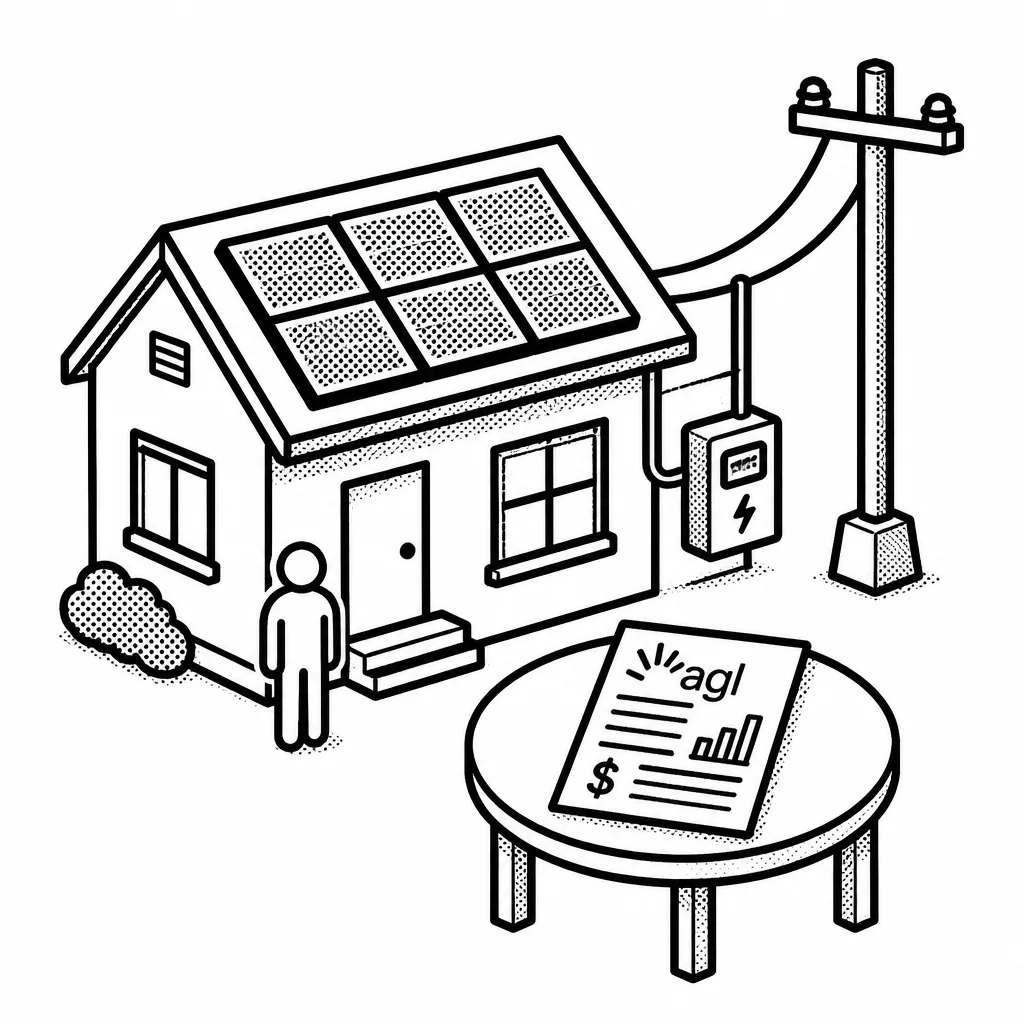
The business splits into two big pieces. The generation side owns and operates a fleet of power stations, including coal, gas, wind, hydro, and batteries, and sells the electricity into the wholesale market. The retail side buys that electricity and gas and sells it to customers — which is the part most people deal with. That retail arm is where AGL earns much of its money, because it collects from households and small businesses month after month. But retail margins are thin and customers switch plans often, so the real battle is keeping costs down and keeping people from leaving for a cheaper offer. That's the awkward part of AGL's story. It built its fortune on coal-fired power, which is cheap to run and reliable but produces a lot of carbon pollution. Australia is pushing hard toward renewables, and AGL has been under pressure to close coal plants sooner and invest in wind, solar, and batteries. The company has committed to shutting its coal stations on a timetable and replacing them with cleaner generation, which is a huge and expensive shift. In 2022, this tension became a full-blown drama when a group led by tech billionaire Mike Cannon-Brookes bought a big stake and tried to block AGL's plan to split itself into two companies — a generation business and a retail business. The split was abandoned, and the board and CEO changed. It was a very public fight about what an old energy company should become.
So AGL is a company in transition, and that's what makes it interesting. It has a huge customer base, well-known brands, and decades of experience running the grid. But it faces fierce competition from other retailers and generators, and its future depends on spending billions to swap coal for cleaner power without losing customers or going broke in the process. It pays dividends to shareholders when it can, and it's trying to convince investors that a greener AGL can still make money. Whether it pulls that off is the big question hanging over the whole business.
Saved answer · last researched 12 Nov 2026