Understand any stock in simple English
Enter a ticker to learn what the company does and how it makes money.
Aethlon Medical, Inc.
Aethlon Medical makes a blood-filtering device called the Hemopurifier that aims to remove viruses and harmful particles from the blood of cancer and infectious disease patients.
Aethlon Medical is a tiny, experimental medical device company. Its one big idea is the Hemopurifier, a cartridge that connects to a dialysis-style blood pump and filters the blood as it flows through. The target is not ordinary toxins but two things the body struggles to clear on its own: viruses and tiny bubble-like particles called extracellular vesicles, which tumors and infected cells use to send signals that help disease spread and hide from the immune system.
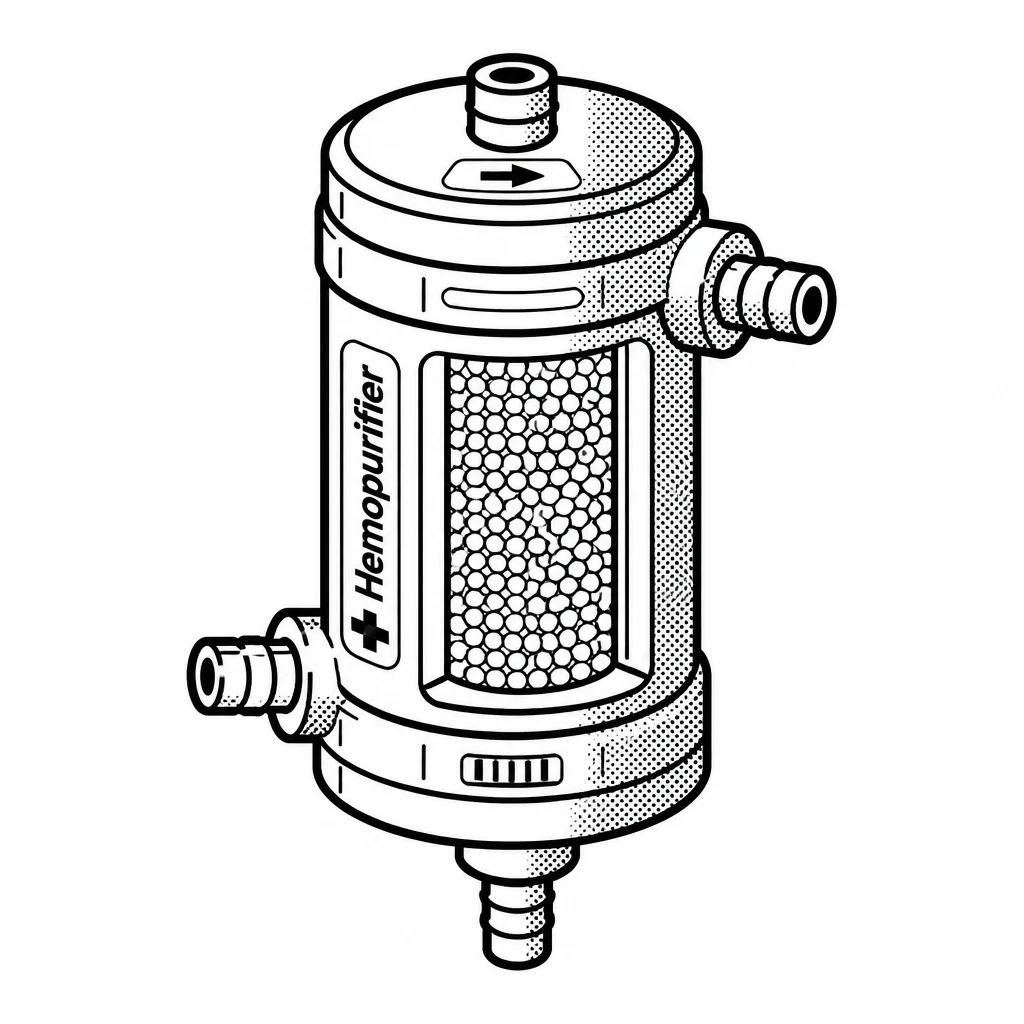
The pitch is simple in theory. A patient's blood circulates through the cartridge, a special material inside grabs the viruses and vesicles, and the cleaned blood goes back into the body. Aethlon has tested it in cancer patients and in people with severe infections, and during the COVID-19 pandemic it ran studies in severely ill patients. The company has also received regulatory clearances for limited uses in India and emergency pathways in the United States, but it does not yet have full marketing approval from the U.S. Food and Drug Administration for its core uses. That last point is the whole story. Aethlon earns almost no product revenue today because the device is still in clinical trials and limited early access programs. It funds itself by selling shares and raising money from investors, which means the stock is essentially a long bet on whether the Hemopurifier wins regulators over. If trials succeed, hospitals and dialysis centers could become customers. If they fail, there is no fallback business of any size.
This makes Aethlon a high-risk, story-driven company rather than a steady moneymaker. The science is intriguing and the unmet need is real—severe infections and hard-to-treat cancers are desperate areas—but years of small trials and repeated fundraising have not yet produced a commercially proven product. For a curious observer, the useful way to see it is as a research bet dressed up as a stock: the upside is a working device that helps very sick patients, and the downside is that the money runs out before that day arrives.
Saved answer · last researched 15 Nov 2026