Understand any stock in simple English
Enter a ticker to learn what the company does and how it makes money.
Ameren Corporation
Ameren sells electricity and natural gas to homes and businesses in Missouri and Illinois.
Ameren is a utility company, which means it does the unglamorous but essential job of keeping the lights on and the heat running. It delivers electricity and natural gas to millions of homes, businesses, and factories across Missouri and Illinois. When you flip a switch or turn up the thermostat, Ameren is usually the company behind that power, and customers pay it every month for the privilege.
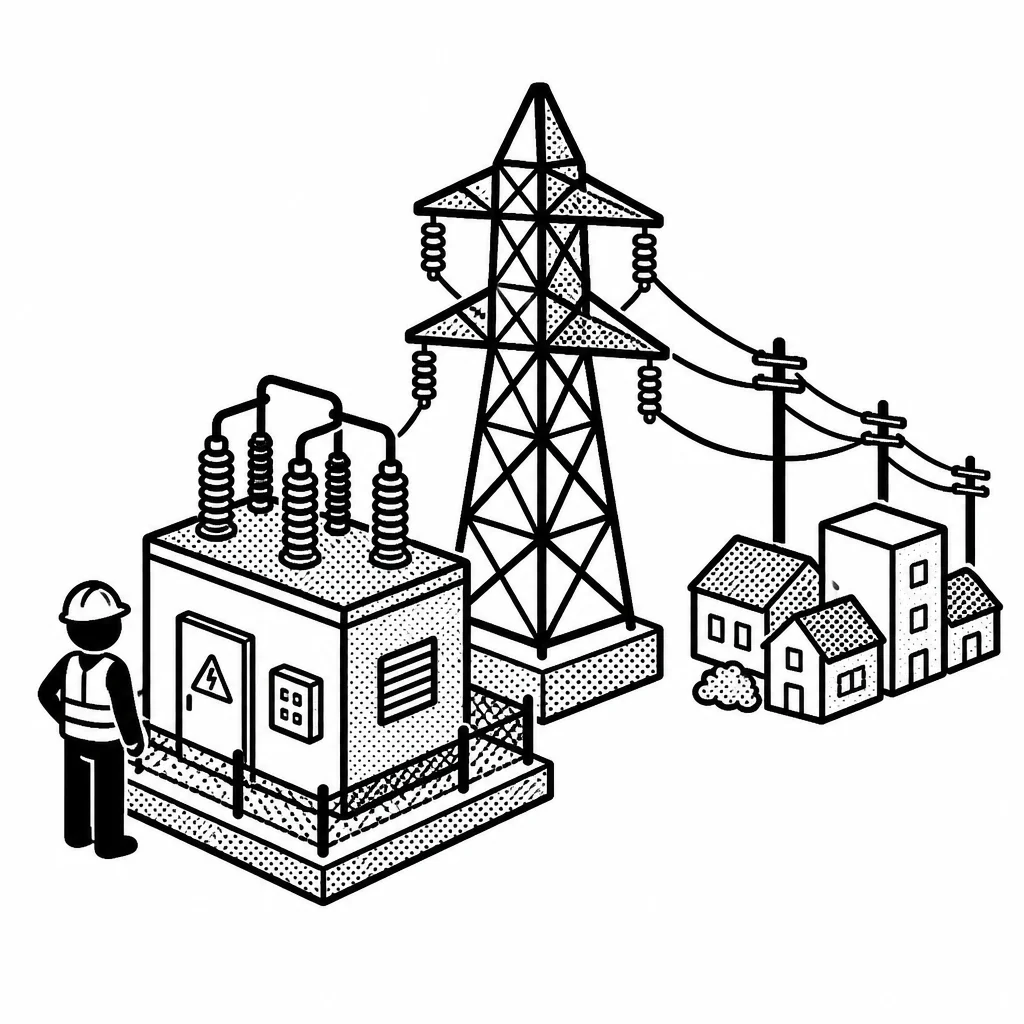
The business works like a regulated toll road. Ameren owns the power plants, the poles, the wires, and the gas pipes, and state regulators decide how much it's allowed to charge customers and what profit it can earn. That setup makes the company steady rather than exciting: demand for electricity barely changes year to year, and the regulators guarantee a reasonable return as long as Ameren keeps the grid running reliably. The trade-off is that Ameren can't simply raise prices whenever it wants—it has to convince regulators that the spending is justified. Most of its money comes from selling electricity, with natural gas delivery making up the smaller slice. What makes Ameren interesting right now is that it sits in the middle of the energy transition. The company has been shutting down its older coal plants and building out wind and solar generation, while also spending heavily to harden its grid against storms and to meet growing electricity demand from data centers and factories. That spending is great for the long run—a bigger asset base means it can earn a regulated return on more money—but it also means customers' bills keep climbing, which draws political attention. In 2024, Ameren absorbed a real-world test when a severe storm knocked out power to hundreds of thousands of customers in the St. Louis area, and the company has since faced scrutiny over how quickly it restored service.
Ameren is a classic dividend stock: it pays shareholders a steady quarterly check, and it has raised that dividend for many years running. Because utilities are so capital-hungry, most of its cash goes straight back into building and maintaining the grid rather than into buybacks. For investors, the appeal isn't explosive growth—it's predictability, a decent dividend, and the fact that people will always need electricity. The risk is the flip side of that safety: rising rates make its debt more expensive, regulators can push back on rate hikes, and severe weather can always throw a wrench into the works.
Saved answer · last researched 12 Nov 2026