Understand any stock in simple English
Enter a ticker to learn what the company does and how it makes money.
ACEA S.p.A.
ACEA sells water and electricity to millions of Italians and runs the pipes, plants, and networks that deliver them.
ACEA is one of Italy's biggest utility companies, and its business is refreshingly easy to picture. It pumps clean water through miles of pipes into homes and businesses, and it produces and sells electricity to people who flip on a light. Around nine million water customers and energy consumers depend on it, mostly in Rome and central Italy, which makes it a company people rarely think about until the tap runs dry or the power goes out.
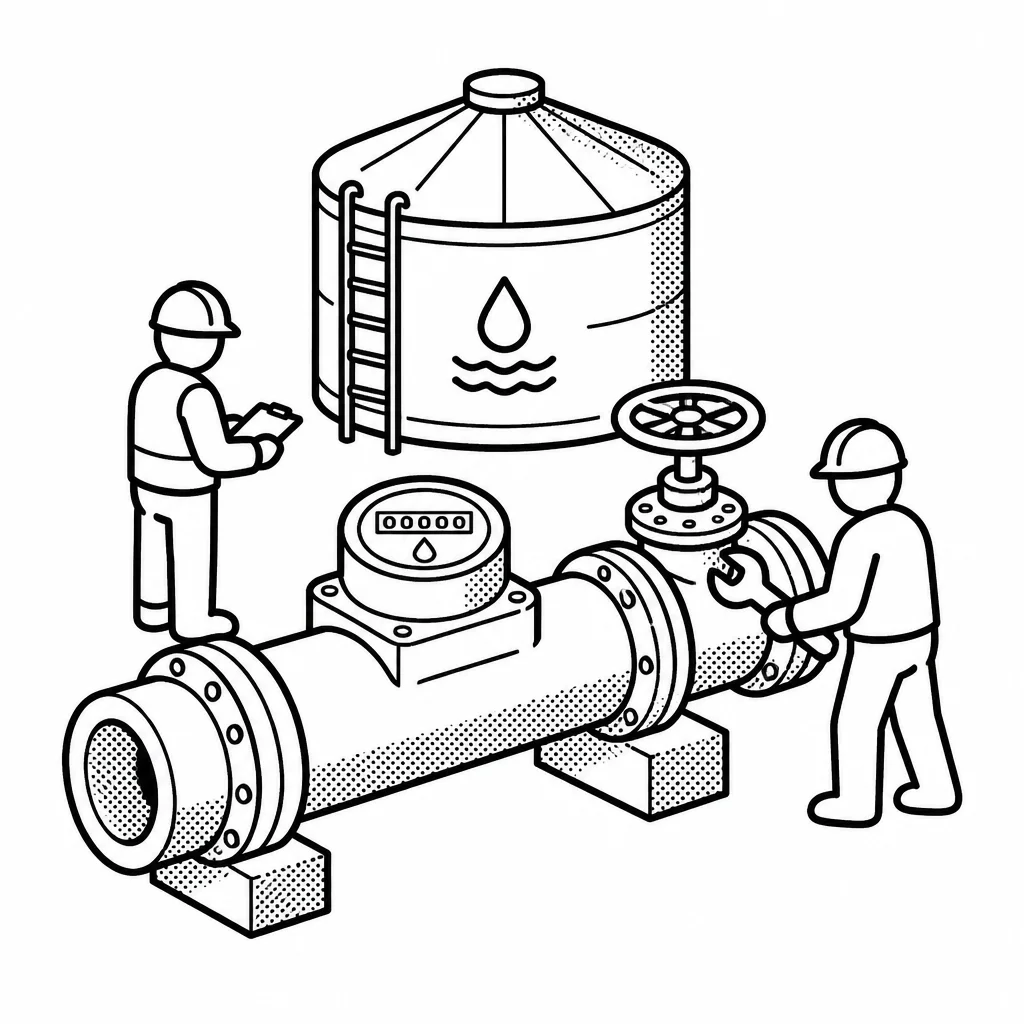
The water side is the heart of the business. ACEA manages the entire cycle: pulling water from sources, treating it, pushing it through a vast underground network, and cleaning the wastewater that flows back out. Most customers have no choice of water provider, so this is a steady, regulated business where the government sets the rules and the prices. The electricity side is more competitive, since households can pick their supplier, but ACEA still generates power and sells it to homes and businesses, and it runs the local grids that carry electricity to doors. Utilities like this make money on volume and reliability rather than flashy innovation. Customers pay their bills month after month, which produces a predictable stream of cash, and regulators allow a modest, dependable return on the money ACEA invests in pipes, plants, and networks. That is why the company spends heavily on upkeep and upgrades, and why it can afford to pay a dividend to shareholders. The catch is that it carries a lot of debt to fund all that infrastructure, so rising interest rates make borrowing more expensive and eat into profits.
The business is also increasingly about the environment. ACEA treats wastewater, manages waste, and produces renewable energy, which fits a country and a European Union pushing hard toward cleaner systems. Its main rivals are other Italian utilities such as Enel and Hera, though in water it mostly competes with itself, since one company typically controls the pipes in a given area. The real risks are dull but real: aging infrastructure that needs constant repair, droughts that strain water supplies, and the heavy debt load that makes the company sensitive to the cost of money.
Saved answer · last researched 12 Nov 2026