Understand any stock in simple English
Enter a ticker to learn what the company does and how it makes money.
Abeona Therapeutics Inc.
Abeona Therapeutics develops gene and cell therapies for serious genetic diseases, including a newly approved treatment for a rare skin condition.
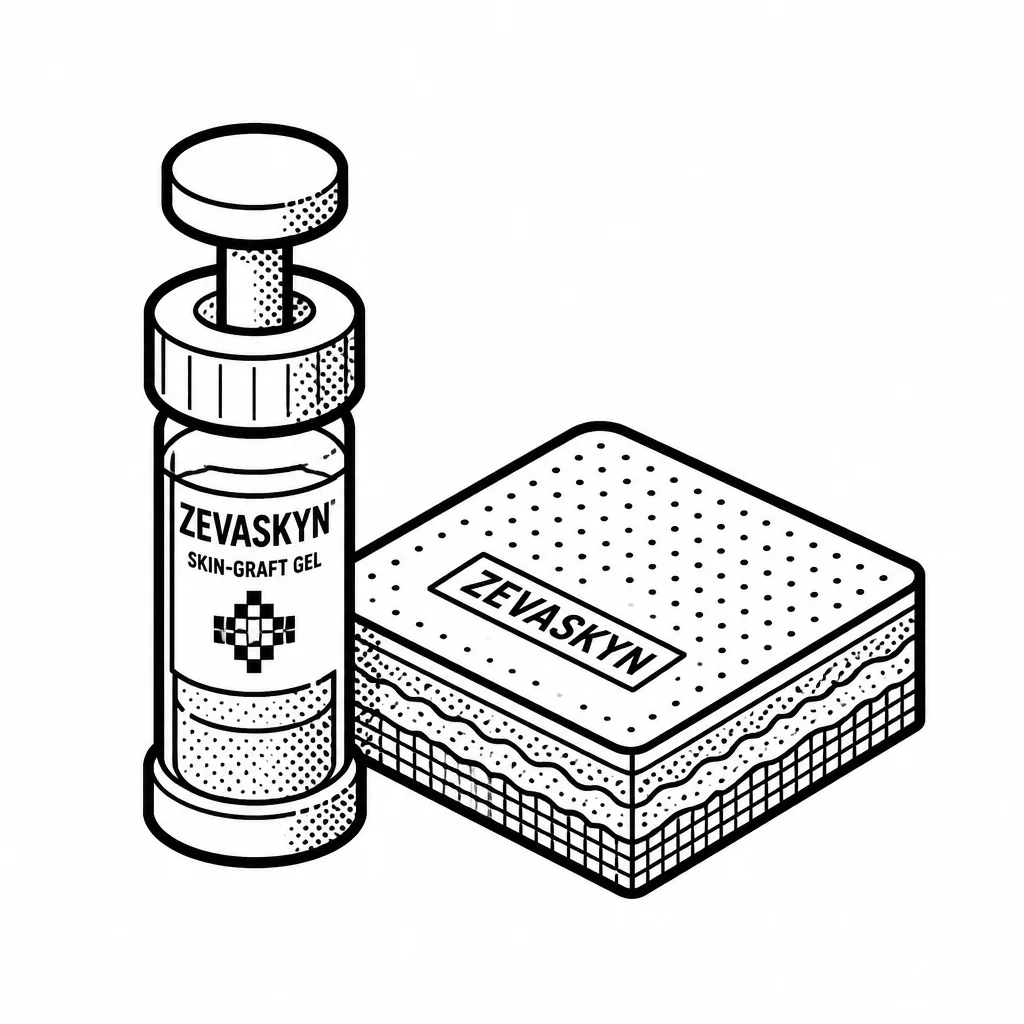
Abeona Therapeutics is a small biotech company that makes gene and cell therapies — medicines built from living cells or engineered genes rather than ordinary chemical drugs. Its lead product is a skin graft called Zevaskyn, approved by the FDA in 2025 for a rare and painful genetic skin disease called recessive dystrophic epidermolysis bullosa, or RDEB. In RDEB, a faulty gene leaves patients with skin so fragile that everyday friction causes blisters and wounds. Zevaskyn is grown from the patient's own skin cells, corrected in the lab, and then grafted back onto their wounds.
The company's other programs target severe genetic diseases of the blood, liver, and eye, using similar gene-therapy techniques. The core idea across all of them: fix the root cause of a disease at the genetic level instead of just treating symptoms. Abeona is headquartered in Cleveland, Ohio, and its shares trade on NASDAQ. Abeona is a commercial-stage company now, but a tiny one. It does not yet have meaningful product revenue, and for most of its history it has burned cash on research while raising money from investors to fund clinical trials — the multi-year, expensive studies required to prove a medicine is safe and works. Getting Zevaskyn approved was the hard part; now the challenge is manufacturing it reliably, getting doctors to prescribe it, and convincing insurers to pay for it. That path from approval to actual sales is where many small biotechs stumble.
This is a high-risk, high-reward business. Gene therapies can be transformative for patients with few other options, which is why regulators and investors pay attention. But they are complex and costly to make, the patient populations are extremely small, and a single manufacturing or reimbursement setback can hurt the stock badly. Abeona's future hinges on whether it can turn a clever scientific platform into steady sales — and whether it can fund that effort without diluting shareholders too much along the way.
Saved answer · last researched 15 Nov 2026