Understand any stock in simple English
Enter a ticker to learn what the company does and how it makes money.
Aarti Industries Limited
Aarti Industries makes specialty chemicals from benzene, the building blocks that go into medicines, crop-protection sprays, dyes, and fragrances.
Aarti Industries is a Indian chemical maker that takes one of the simplest molecules in chemistry — benzene, a clear liquid refined from crude oil — and turns it into the specialty ingredients other industries cannot easily make themselves. Its products end up in medicines, crop-protection chemicals, dyes and pigments, flavors and fragrances, and polymers. Most customers are other manufacturers, not consumers, so you will never see the Aarti name on a shelf.
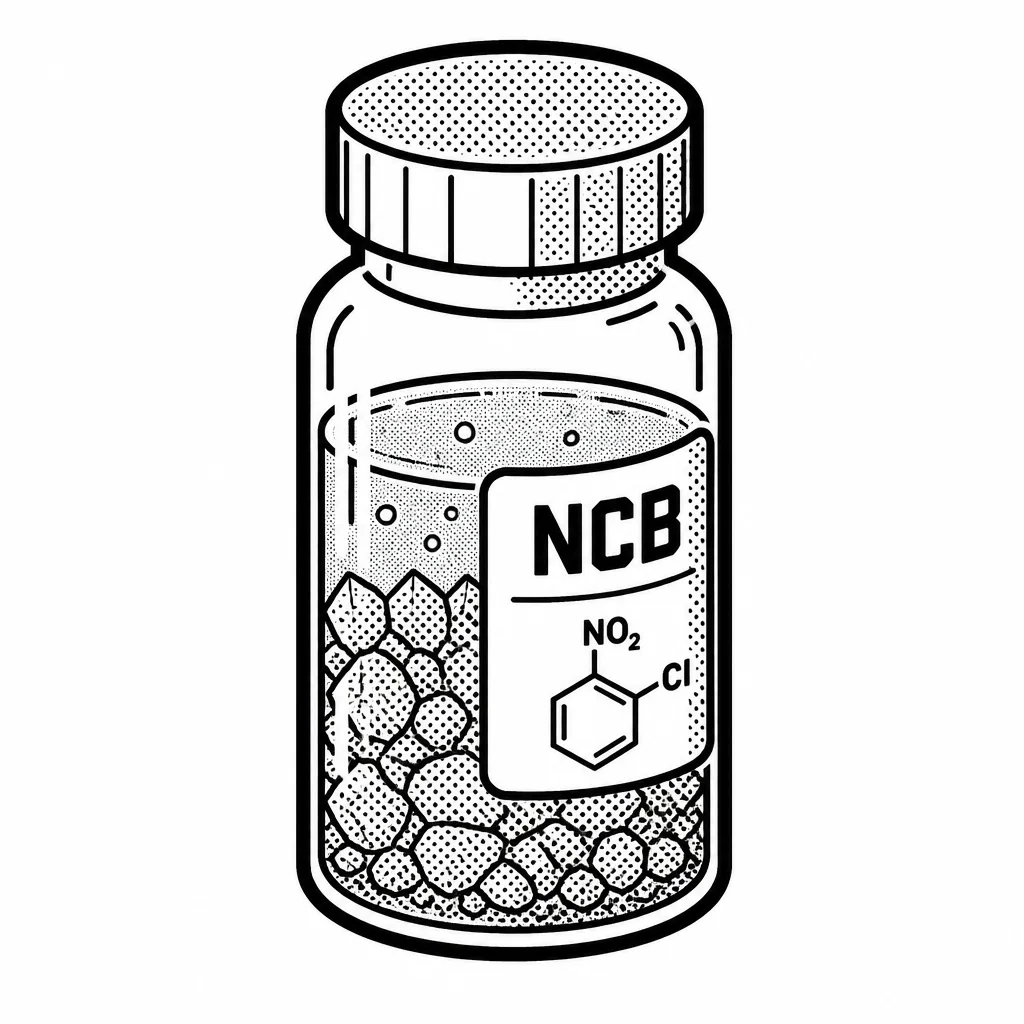
The business is really a chain of chemical steps. Aarti buys benzene and pushes it through a series of reactions to produce intermediates — compounds that sit one or two steps before the final product. A drug company, for example, might need a specific intermediate to build an active pharmaceutical ingredient; Aarti makes that piece at scale so the customer does not have to. This is a tough, capital-hungry game: plants are expensive, handling chemicals is dangerous, and customers demand consistent quality and reliable supply. Aarti's edge comes from doing many of these steps in-house, which lowers costs and lets it sell a broad menu of related chemicals to the same buyers. Its biggest and most closely watched business is a long-term supply deal with Mitsubishi Chemical for a chemical called PTBP, a key ingredient in tire additives. That contract gave Aarti years of predictable revenue, but it also made the company vulnerable to a single partner — when Mitsubishi signaled it might scale back or restructure the arrangement, the stock took a hit and investors started asking hard questions about concentration risk. Aarti has been spending heavily to build new plants and expand capacity, which means debt and depreciation weigh on profits even when demand is steady.
The chemical sector is cyclical, and Aarti is not immune: prices for its products swing with global supply and demand, and Chinese competitors can flood the market and crush margins. The company also faces real safety and environmental scrutiny, since chemical plants carry inherent risks. Still, the underlying logic is durable — the world keeps needing medicines, food protection, and industrial ingredients, and someone has to make the messy intermediate steps. Aarti's bet is that scale, integration, and long-term contracts will keep it at the front of that queue.
Saved answer · last researched 15 Nov 2026