Understand any stock in simple English
Enter a ticker to learn what the company does and how it makes money.
AAC Clyde Space AB (publ)
AAC Clyde Space builds small satellites and sells space data services to governments, companies, and schools.
AAC Clyde Space is a Swedish company that builds small satellites — the compact, relatively cheap kind that have reshaped the space business over the past decade. It designs and manufactures these spacecraft for government agencies, commercial customers, and universities, and it also sells the data and services those satellites produce once they are in orbit. So it sits on both sides of the business: making the hardware and then helping customers actually use what the hardware sees from above.
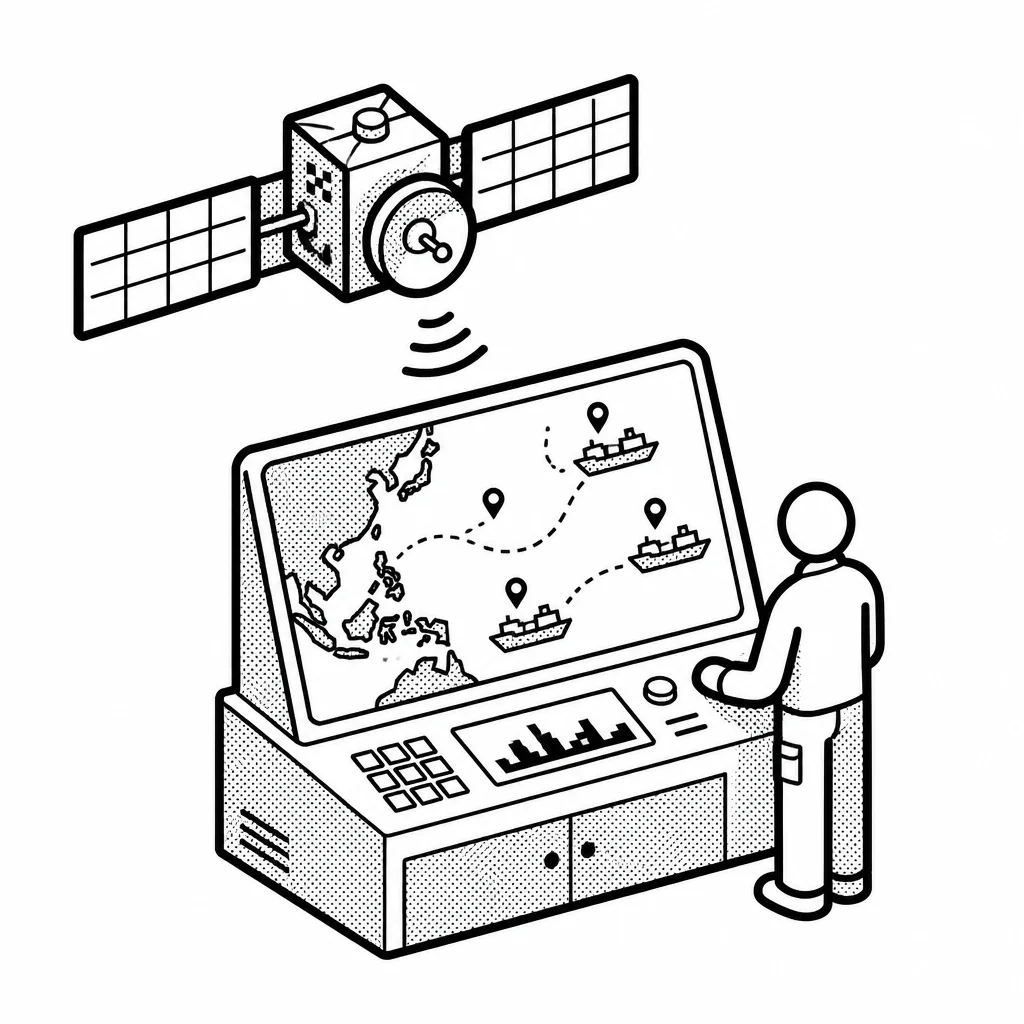
The core of the business is small satellites. A traditional satellite can be the size of a bus and cost hundreds of millions of dollars; AAC Clyde Space specializes in ones closer to the size of a suitcase or a microwave, which can be built faster and launched for far less. Customers come for the engineering — the company handles the design, the components, and the tricky job of making sure a small box survives the launch and works in the vacuum of space. It also provides mission services, meaning it helps run the satellite after it is up there. Beyond hardware, the company sells space data. Its satellites and sensors can track things like ships at sea, monitor the environment, or support communications, and customers pay for the information rather than owning a satellite themselves. That recurring data business is attractive because it keeps money coming in after the hardware is sold. The company has grown partly by buying smaller space firms across Europe, stitching together capabilities in satellite building, radio communication, and data services.
It is a small player in a market with much larger competitors, and that matters. Building satellites is lumpy work: contracts are awarded in chunks, revenue can swing, and the company has historically struggled to turn a steady profit. Its bet is that the small-satellite boom keeps expanding as launches get cheaper and more countries and companies want their own eyes in the sky.
Saved answer · last researched 14 Nov 2026