Understand any stock in simple English
Daiseki Co., Ltd.
Daiseki collects, treats, and recycles industrial waste for businesses in Japan and cleans up contaminated soil.
Daiseki is a Japanese waste-handling company. Factories, construction firms, and other businesses pay it to haul away the messy leftovers of their work — waste oil, sludge, acids, and scrap metal — and to clean up soil poisoned by past industrial activity.
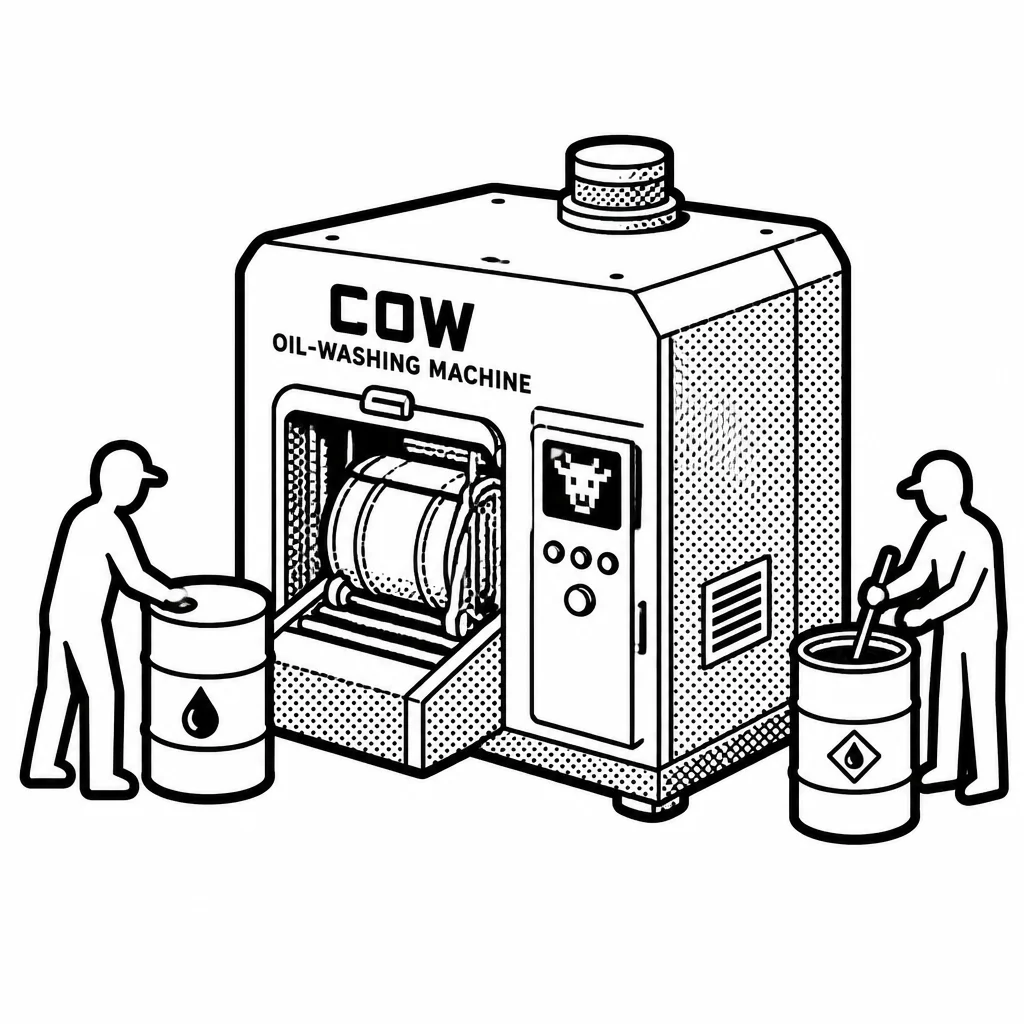
The heart of the business is a simple, sticky idea: it takes waste and turns much of it back into something useful. Used oil gets re-refined into fuel, scrap metal gets recovered, and treated waste becomes material that can be reused rather than dumped. That matters in Japan, where landfill space is scarce and rules are strict, so customers need a partner they can trust to stay on the right side of the law. Daiseki also handles one of the trickiest jobs in the business: soil remediation, cleaning up land before it can be redeveloped. What makes this a good business is that it is boring and essential. The waste keeps coming every week, and switching handlers is a hassle, so customers tend to stay. Daiseki runs a network of treatment plants and collection trucks across Japan, and its know-how in turning waste into saleable material helps it squeeze more profit out of each load than a plain dumper could. It is a genuinely cyclical business, though — when factories slow down and construction stalls, less waste gets produced, and the company feels it.
Daiseki is careful with its money. It has a strong balance sheet, a habit of paying dividends, and a record of buying back its own shares, which hands cash back to shareholders. It has also grown by acquiring smaller waste-treatment operators and expanding its network, a quiet roll-up strategy that widens its reach without much drama. It is not a fast-growing tech story; it is the dependable, slightly unglamorous plumbing that keeps Japanese industry clean.
Saved answer · last researched 17 Nov 2026