Understand any stock in simple English
Enter a ticker to learn what the company does and how it makes money.
Tokyo Gas Co., Ltd.
Tokyo Gas sells city gas, liquefied natural gas, and electricity to homes and businesses across Japan.
Tokyo Gas is the company that keeps the lights on and the stove burning for millions of people in and around Japan's capital. It pipes city gas into homes for cooking and hot water, sells electricity, and supplies liquefied natural gas — LNG — to factories, power plants, and other big customers who need serious amounts of energy.
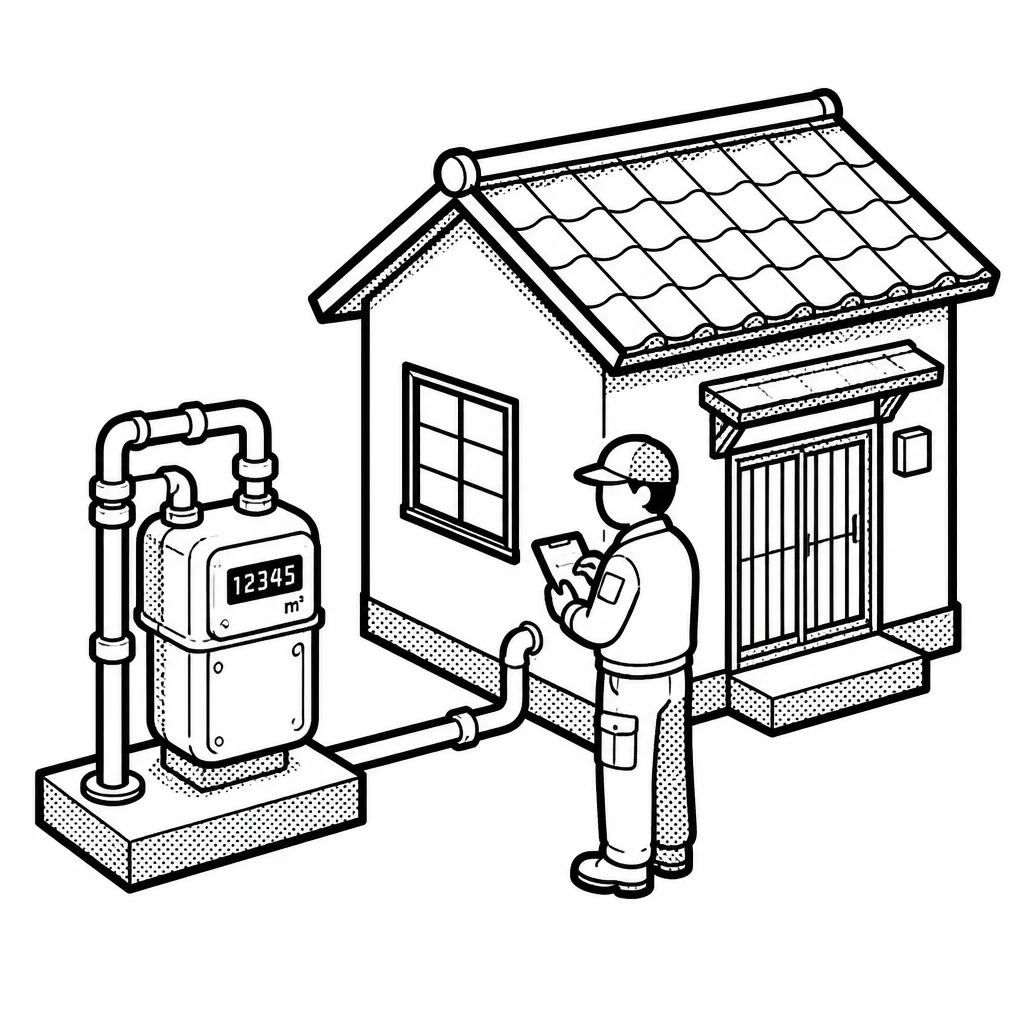
The heart of the business is a vast network of underground pipes. Tokyo Gas buys LNG from overseas, brings it in on tanker ships, turns it back into gas, and pushes it through its own pipeline grid to roughly eleven million customer accounts. Owning that network is what makes it hard to compete with: laying a second set of gas pipes under Tokyo would be absurd, so once the pipes are in, the customers tend to stay. Like most gas utilities, it faces a slow squeeze. Japan's population is shrinking, homes are getting more efficient, and the country is pushing to cut carbon emissions. So Tokyo Gas is trying to sell more than just molecules. It now sells electricity too, bundles energy services, and is investing in hydrogen, synthetic methane, and offshore wind to stay relevant in a cleaner world.
Here is the awkward part: a utility's profits are heavily shaped by regulators and global fuel prices, not by brilliant strategy alone. When LNG prices spike, costs jump; when regulators hold tariffs down, earnings get pinched. That is why Tokyo Gas leans on a steady dividend and tries to keep the gas flowing while quietly building a lower-carbon future on the side.
Saved answer · last researched 12 Nov 2026