Understand any stock in simple English
Enter a ticker to learn what the company does and how it makes money.
Japan Airlines Co., Ltd.
Japan Airlines flies people and cargo around the world and sells related maintenance and travel services.
Japan Airlines is a big international airline. It flies passengers on scheduled routes across Japan and around the world, carries cargo in its planes' bellies and dedicated freighters, and runs a maintenance business that services its own fleet and other airlines' aircraft too. It also sells travel and tour services. In short, it moves people and goods from one place to another and charges them for the trip.
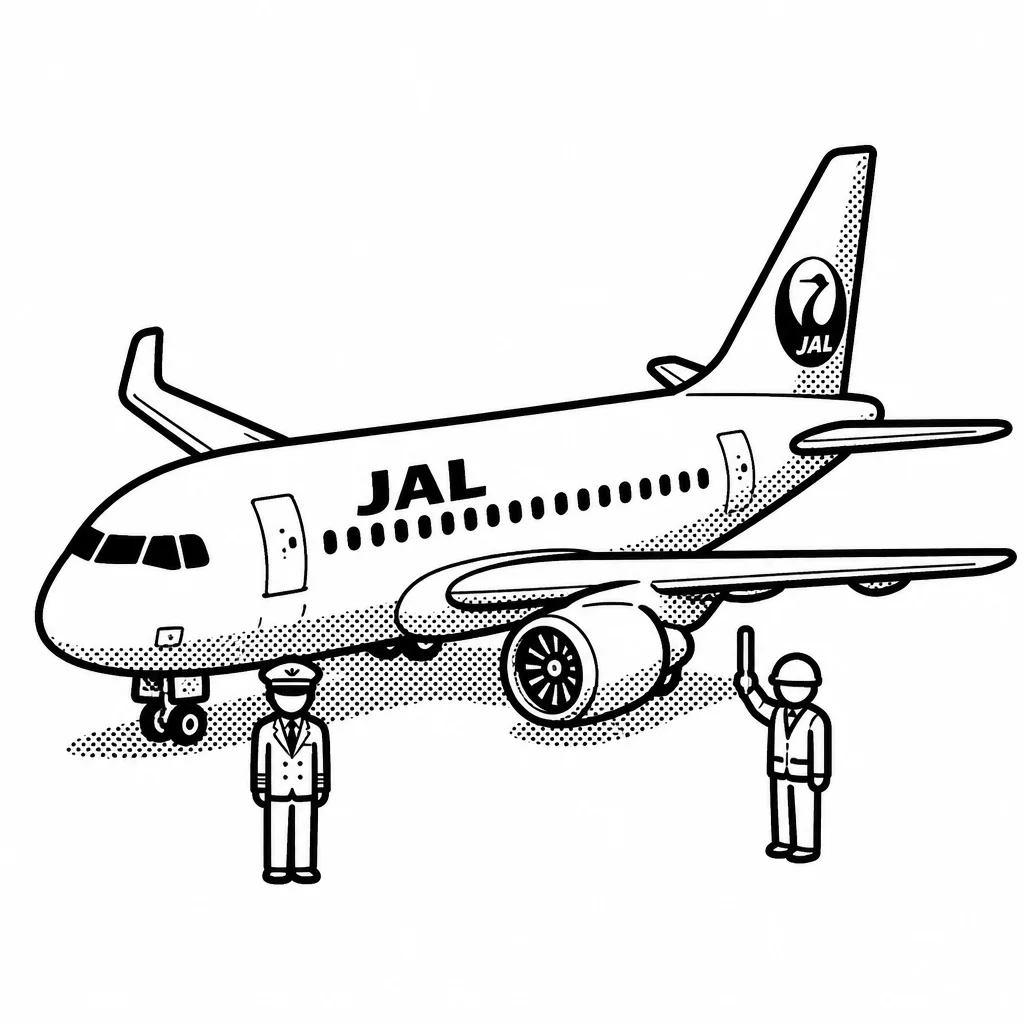
The core business is simple: sell seats and cargo space. Passengers pay for tickets, and shippers pay to send boxes, electronics, and fresh food in the cargo hold. JAL earns money on both, but the passenger side is the bigger engine. What makes an airline tricky is that costs are huge and fixed — planes, fuel, airport slots, and staff all cost money whether the plane is full or half empty. So the whole game is filling seats and keeping costs tight. JAL's reputation for punctuality and service is a real asset here, because business travelers and premium passengers will pay more for a reliable, comfortable ride. JAL competes with other big carriers, especially its domestic rival All Nippon Airways, and with global airlines on long-haul routes. Its home base at Tokyo's Haneda and Narita airports gives it valuable landing rights, which are hard to get and act as a moat. The pandemic hit airlines brutally, and JAL took heavy losses when travel collapsed, but it has since recovered as demand for flights returned. Like all airlines, it is exposed to fuel prices, currency swings, and economic downturns.
Airlines are capital-hungry businesses. JAL spends heavily on new aircraft and cabin upgrades to stay competitive, and it has worked to strengthen its balance sheet after the pandemic. Its fleet and route network are the backbone of the business — and the thing investors watch most closely is whether it can keep planes full while keeping costs in check.
Saved answer · last researched 16 Nov 2026