Understand any stock in simple English
Enter a ticker to learn what the company does and how it makes money.
Kaori Heat Treatment Co., Ltd.
Kaori makes heat exchangers and thermal systems that help factories, data centers, and energy equipment move and control heat.
Kaori Heat Treatment makes the equipment that moves heat around. Its core product is the heat exchanger — a metal device that lets hot fluid and cold fluid pass near each other without mixing, so heat flows from one to the other. Factories use these to recover waste heat, cool processes, and save energy; you'll find them inside air compressors, industrial dryers, and power equipment. The company also assembles thermal energy systems and, more recently, sells liquid cooling gear for data centers and fuel cell components.
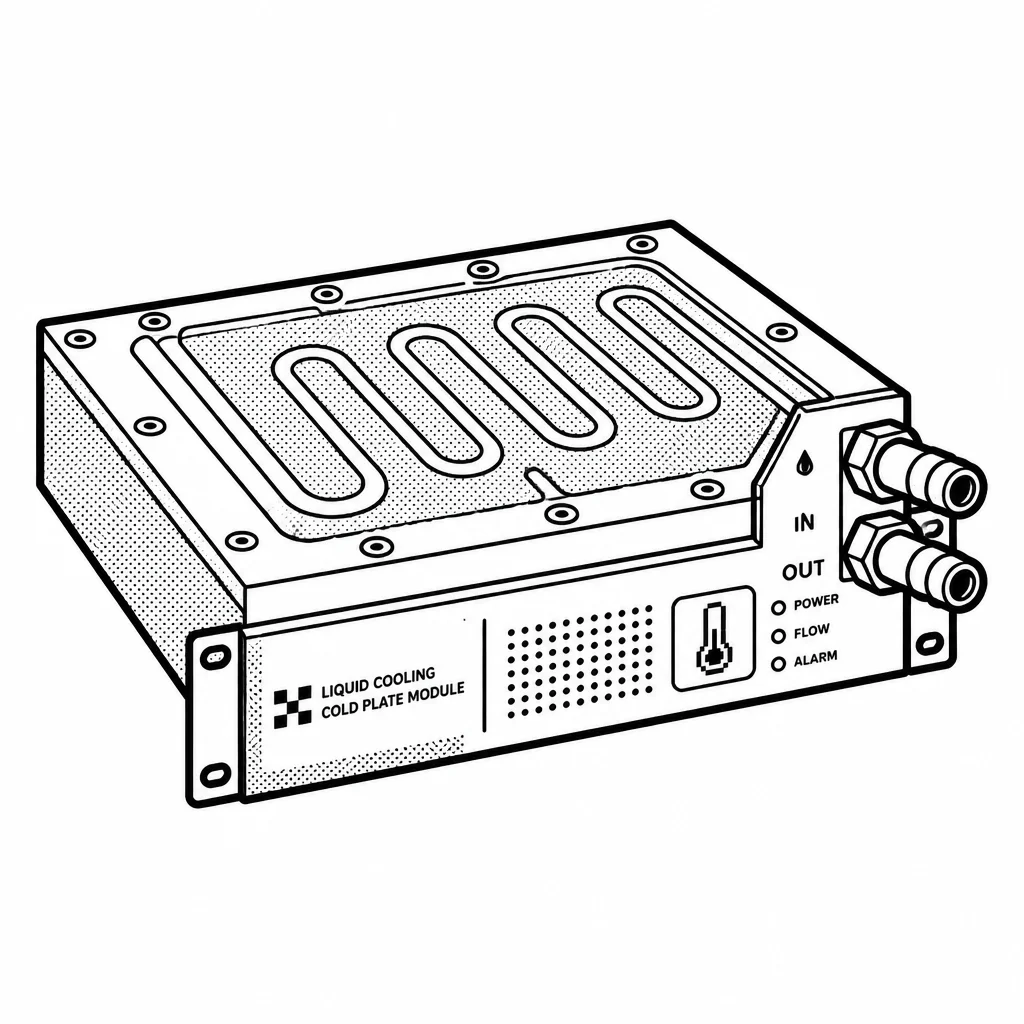
The business is essentially a parts supplier to other equipment makers and industrial operators. Customers buy Kaori's exchangers because they need reliable heat transfer in a compact package, and because the company will build to their specs rather than sell only off-the-shelf units. That makes it a behind-the-scenes name: most people have never heard of it, but its parts sit inside machines made by larger industrial firms. It's headquartered in Taoyuan, Taiwan, and sells across Asia, Europe, and the Americas. The interesting shift is liquid cooling. As AI data centers pack more computing power into each rack, ordinary air cooling struggles to keep chips from overheating, so operators are turning to systems that circulate liquid right past the hot components. Kaori's heat-transfer know-how maps naturally onto that problem, and it has been promoting liquid cooling solutions as a growth area. Fuel cells are the other long bet — hydrogen power systems also need careful thermal management, and Kaori supplies components for them.
The catch is that this is a small, cyclical industrial company, not a high-margin tech star. Its fortunes rise and fall with capital spending by manufacturers and energy companies, and it competes against much larger thermal-management players. The liquid cooling story is real but still early, and investors should watch whether data center orders actually scale or stay a niche. It's a case of a quiet Taiwanese component maker hoping a hot new market — literally — gives its heat exchangers a second act.
Saved answer · last researched 12 Nov 2026