Understand any stock in simple English
Enter a ticker to learn what the company does and how it makes money.
Sumitomo Mitsui Financial Group, Inc.
Sumitomo Mitsui Financial Group is a Japanese financial giant that makes money by lending, investing, and selling financial services through its banks and securities arms.
Sumitomo Mitsui Financial Group is one of Japan's largest financial groups, and it makes money the old-fashioned way: by holding people's deposits, lending that money out at a higher rate, and collecting the difference. Its main engine is Sumitomo Mitsui Banking Corporation, a huge commercial bank with branches across Japan and around the world. It also runs a securities business, a consumer finance arm, and a leasing operation, so it can serve a customer from a simple savings account all the way to a big corporate bond deal.
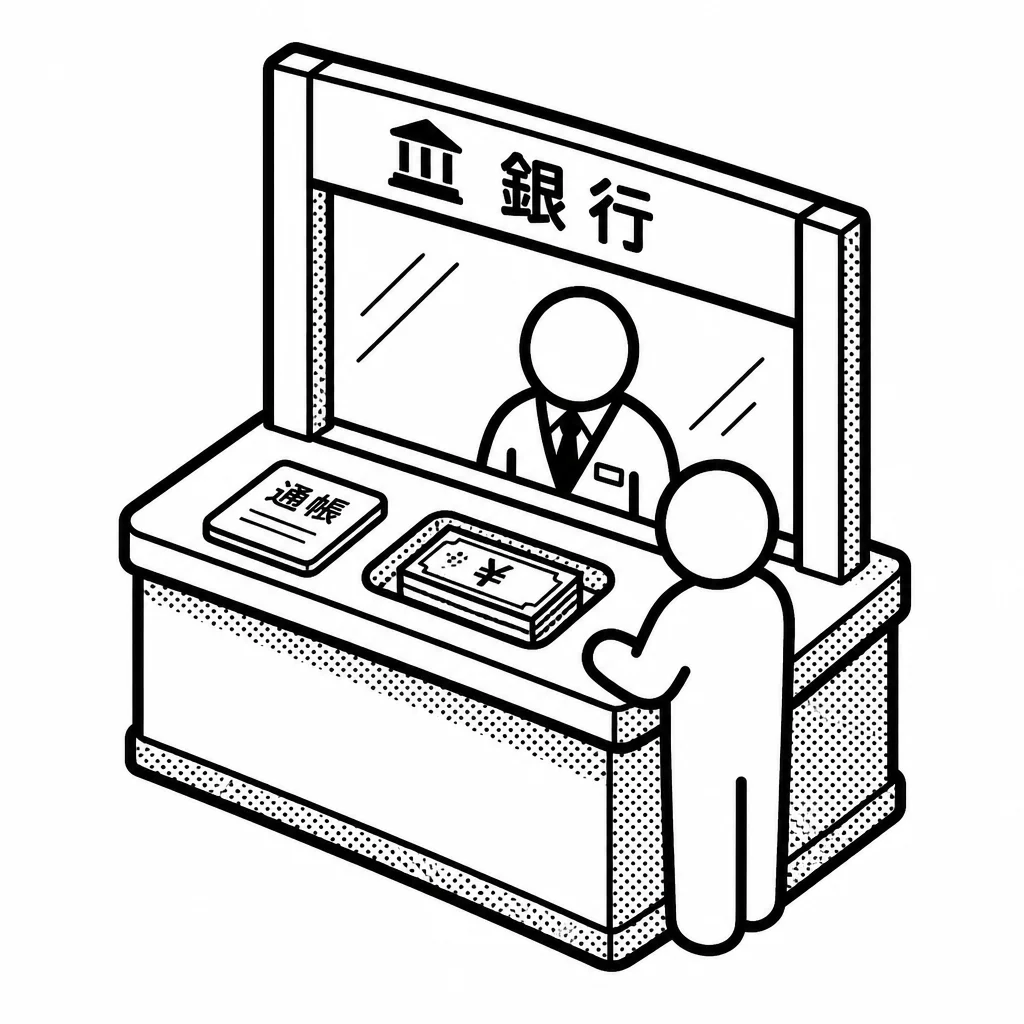
The bank serves three broad groups: everyday Japanese savers and borrowers, large companies in Japan, and multinational corporations and governments overseas. For large companies it arranges loans, helps them raise money in the markets, advises on mergers, and manages their foreign exchange and trade needs. Customers choose a giant like this partly because of its scale and balance sheet, and partly because decades of relationships in Japan make it a trusted counterparty. Its size is its strength, but it also means it is heavily regulated and sensitive to interest rates. What makes a bank interesting is the spread. SMFG pays depositors a little, lends at more, and keeps the gap, while also earning fees for services like underwriting and wealth management. When interest rates rise, that gap can widen and profits can jump; when rates are low for years, as they were in Japan, the core lending business earns thin margins, so banks lean harder on fees and overseas expansion. That is why SMFG has pushed into markets like the United States and Asia, chasing growth outside a slow-growing home market.
The group also returns a lot of cash to shareholders. Like many Japanese banks, it pays a steady dividend and buys back its own shares, which shrinks the share count and lifts the value of each remaining share. It has publicly committed to raising shareholder returns, a shift that reflects pressure from investors and from the Tokyo Stock Exchange to make Japanese companies use their cash more efficiently. That combination, a sprawling financial machine plus a growing pile of buybacks and dividends, is the core of the SMFG story.
Saved answer · last researched 12 Nov 2026