Understand any stock in simple English
Enter a ticker to learn what the company does and how it makes money.
Sumitomo Corporation
Sumitomo is a giant Japanese trading house that buys, sells, and invests in everything from energy and metals to food and retail.
Sumitomo Corporation is one of Japan's big general trading houses, known as sogo shosha. These are enormous middlemen that sit between producers and buyers all over the world. If a mine in Chile needs financing, a power plant in Asia needs coal, or a grocery chain needs imported beef, a trading house like Sumitomo can arrange the deal, take a cut, and often invest in the business itself.
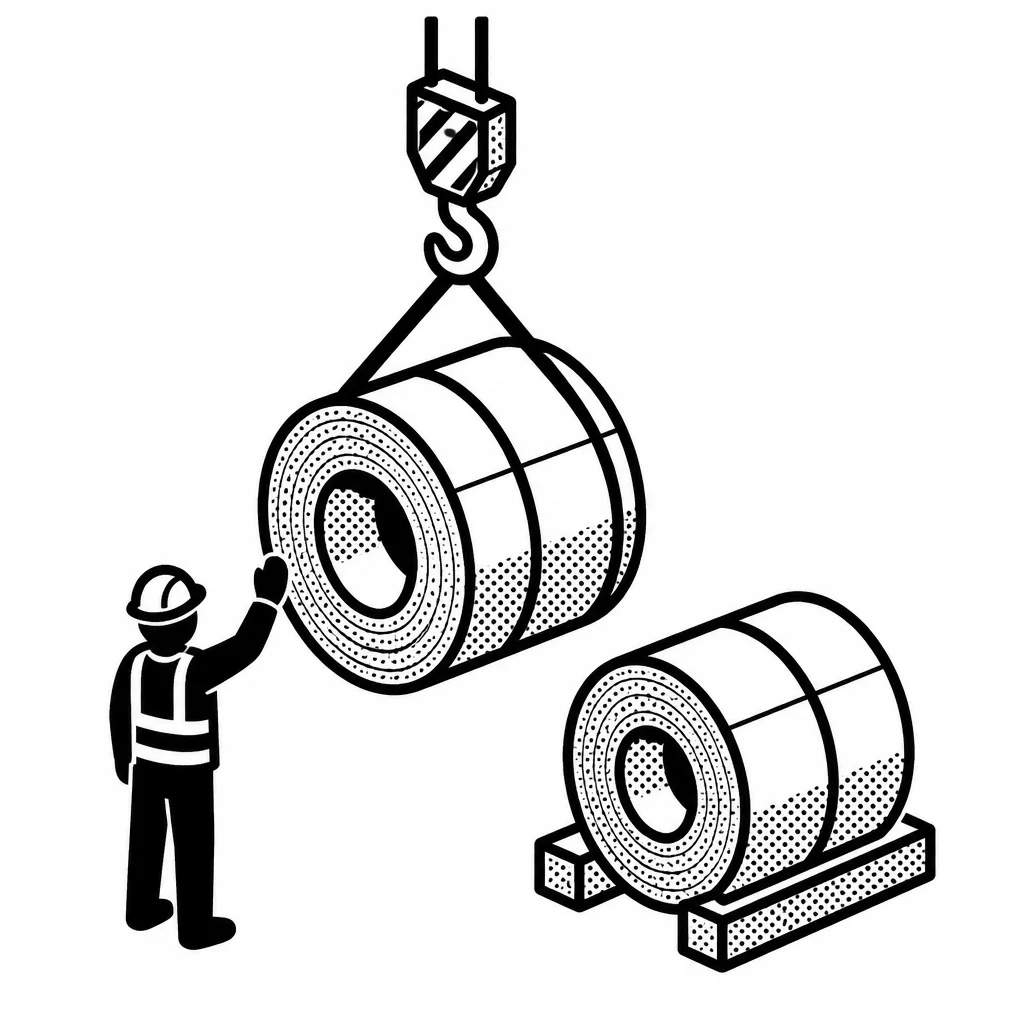
Its reach spans energy, metals, machinery, food, media, and retail. In energy, it trades oil, gas, and increasingly renewable power. In metals, it invests in mines and supplies steel and raw materials to manufacturers. In machinery, it sells industrial equipment and runs leasing and transportation businesses. The food arm imports and distributes everything from seafood to processed goods. It also owns pieces of media and retail operations, including stakes in Japanese convenience stores and cable television. What makes Sumitomo strong is its network and its balance sheet. It has offices almost everywhere, deep relationships with governments and suppliers, and enough capital to take big stakes in projects that others cannot finance alone. That diversity is also its vulnerability: profits swing with commodity prices, and a downturn in metals or energy can hurt results even when other divisions are healthy.
The company has been shifting toward businesses that earn steadier money, such as power generation, infrastructure, and retail, rather than relying only on raw material trading. It pays a dividend and buys back shares, returning cash to investors while still investing in new projects. For a 15-year-old, the simplest way to think about it: Sumitomo is the world's most connected dealmaker, earning a little on millions of trades and a lot on the big bets it makes along the way.
Saved answer · last researched 12 Nov 2026