Understand any stock in simple English
Enter a ticker to learn what the company does and how it makes money.
The Company for Cooperative Insurance
Tawuniya sells insurance — health, car, property, and business coverage — to people and companies in Saudi Arabia.
Tawuniya is Saudi Arabia's biggest homegrown insurance company. It sells the policies that pay out when something goes wrong: medical bills when you get sick, repairs when your car is wrecked, and money to rebuild when a fire damages a factory. Most of its business is health insurance, followed by motor and property coverage for companies, and it also offers Takaful products structured to comply with Islamic rules.
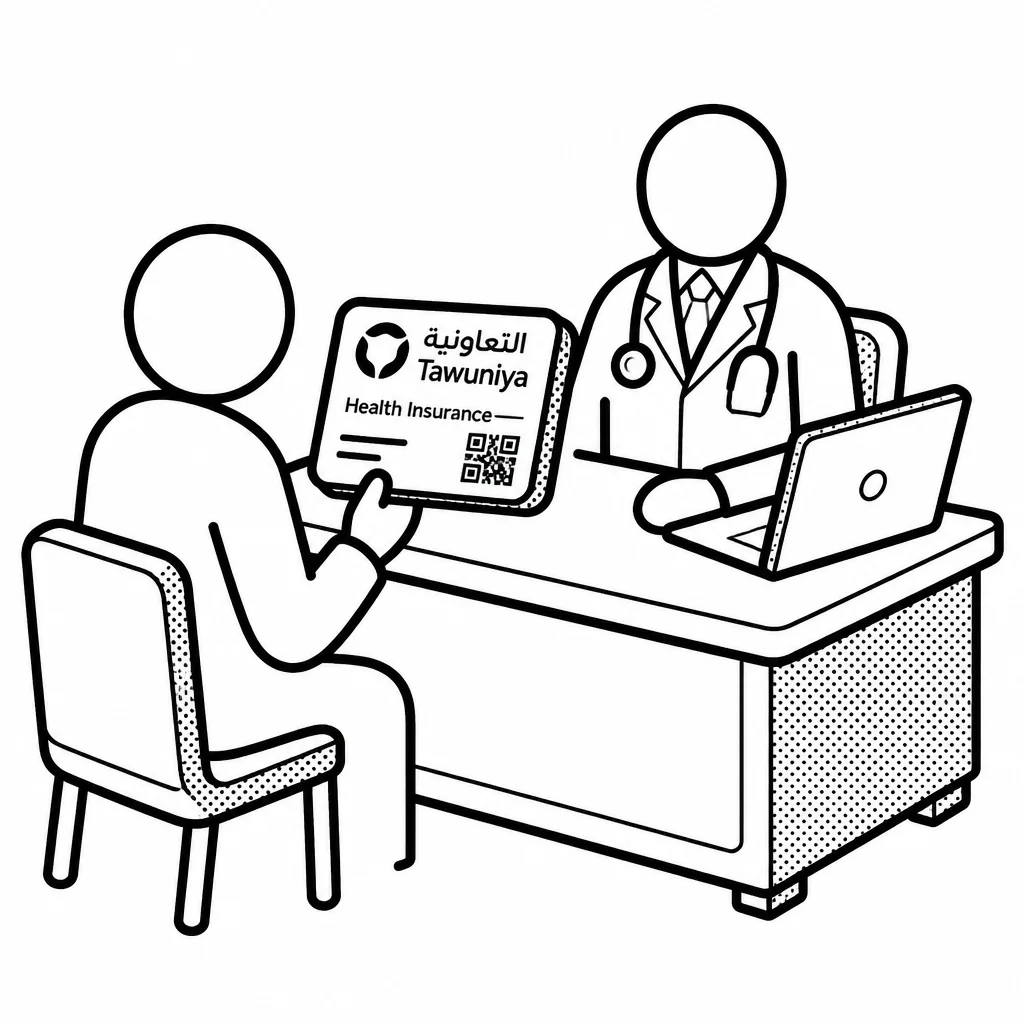
The way an insurer like this makes money is less obvious than it looks. It collects premiums up front, pays out claims over the year, and tries hard to keep what's left — that leftover is called the underwriting result. On top of that, it invests the cash it holds before claims come due, so a large pile of policyholder money quietly earns investment income too. In Saudi Arabia, health insurance is mandatory for private-sector workers and their families, which creates a steady, legally required stream of customers. Tawuniya's edge comes largely from its size and reach. It has decades of relationships with big employers and government-linked clients who buy coverage for thousands of staff at once, and its scale lets it spread risk and negotiate with hospitals. The flip side is that big corporate contracts get renegotiated hard, and medical costs keep climbing, so profit margins can shrink fast if claims rise faster than prices. It competes with other Saudi insurers and with foreign-backed players, and it has been pushing into digital sales and small-business coverage to broaden its base.
For investors, Tawuniya is a large, established name on the Saudi exchange that pays dividends and is watched by index funds tracking the Saudi market. Its fortunes rise and fall with regulation, medical inflation, and how well it prices risk — a business where being big and disciplined matters more than being flashy.
Saved answer · last researched 12 Nov 2026