Understand any stock in simple English
Enter a ticker to learn what the company does and how it makes money.
Olympus Corporation
Olympus makes medical devices, especially endoscopes and the tools surgeons use through them, and sells them to hospitals and doctors around the world.
Olympus is a Japanese medical device maker, and its most important product is the endoscope — a long, thin, flexible tube with a camera and light on the tip that doctors guide down a patient's throat or through other openings to look inside the body. These scopes let doctors actually see stomach ulcers, colon polyps, and other problems without cutting a patient open, and they can pass tiny tools through the scope to take samples or treat what they find. Olympus sells both the scopes themselves and the therapeutic equipment that goes with them, along with the maintenance and repair services hospitals need to keep the machines running.
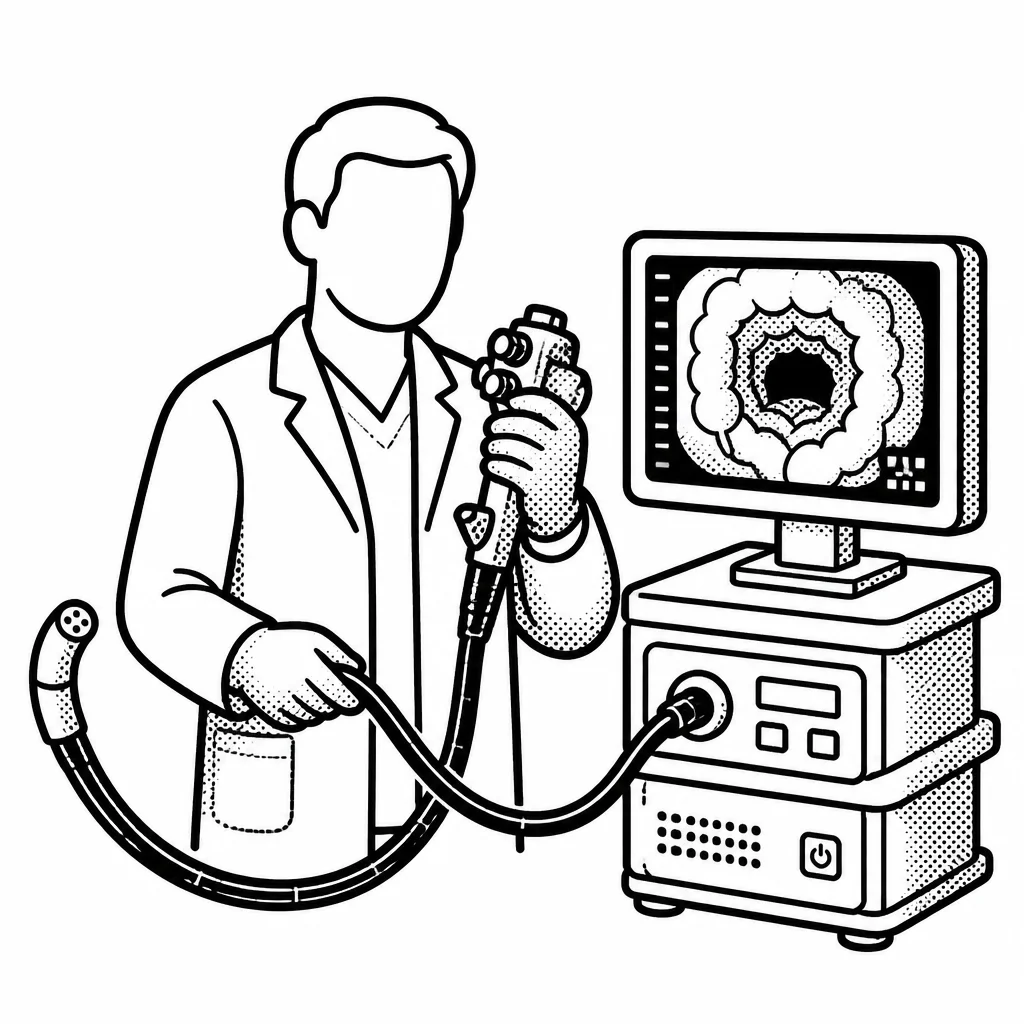
The customer is the hospital or clinic, not the patient. Hospitals buy Olympus scopes because they are the trusted standard in gastroenterology, the field of medicine focused on the digestive tract, and because switching means retraining doctors and reworking the workflow. This matters because an endoscope is not a one-time purchase: scopes get damaged, need cleaning and repair, and hospitals pay Olympus for that service over and over. Olympus also sells urology and gynecology equipment and has a small history in cameras and microscopes, but healthcare is now the core of the business. The company's history includes a genuinely strange story. Olympus was founded in 1919 as a microscope and camera maker, and in the 2010s it was caught in a massive accounting fraud in which executives hid years of investment losses. The scandal shook the company, led to a revamp of its board, and pushed it to focus harder on medical devices. Today Olympus is a good example of a company whose moat is not a patent but habits: doctors learn on its scopes, hospitals standardize on them, and that makes a competitor's job very hard even when the competitor's product is cheaper.
The main risk is that this comfortable position invites attack. Rivals have been building cheaper and increasingly capable endoscopes, and regulators in some markets push hospitals to be careful about repair costs. Olympus has been investing in newer technology, including scopes with better imaging and software that helps doctors spot problems, and it has been buying smaller medical device companies to broaden its lineup. Big picture, it is a profitable, steady business built on being the default tool inside a doctor's hands, and its job is to stay there.
Saved answer · last researched 12 Nov 2026