Understand any stock in simple English
Enter a ticker to learn what the company does and how it makes money.
Elm Company
Elm sells secure digital services and cybersecurity software that help governments and businesses run their operations online safely.
Elm is the company that quietly runs much of the digital plumbing behind Saudi Arabia's government and big businesses. When you renew a passport, check a government service online, or a bank verifies your identity through a national system, there is a good chance Elm's software is doing the work behind the scenes. It builds and operates secure digital platforms, sells cybersecurity tools, and provides IT services to public agencies and private companies, mostly in Saudi Arabia.
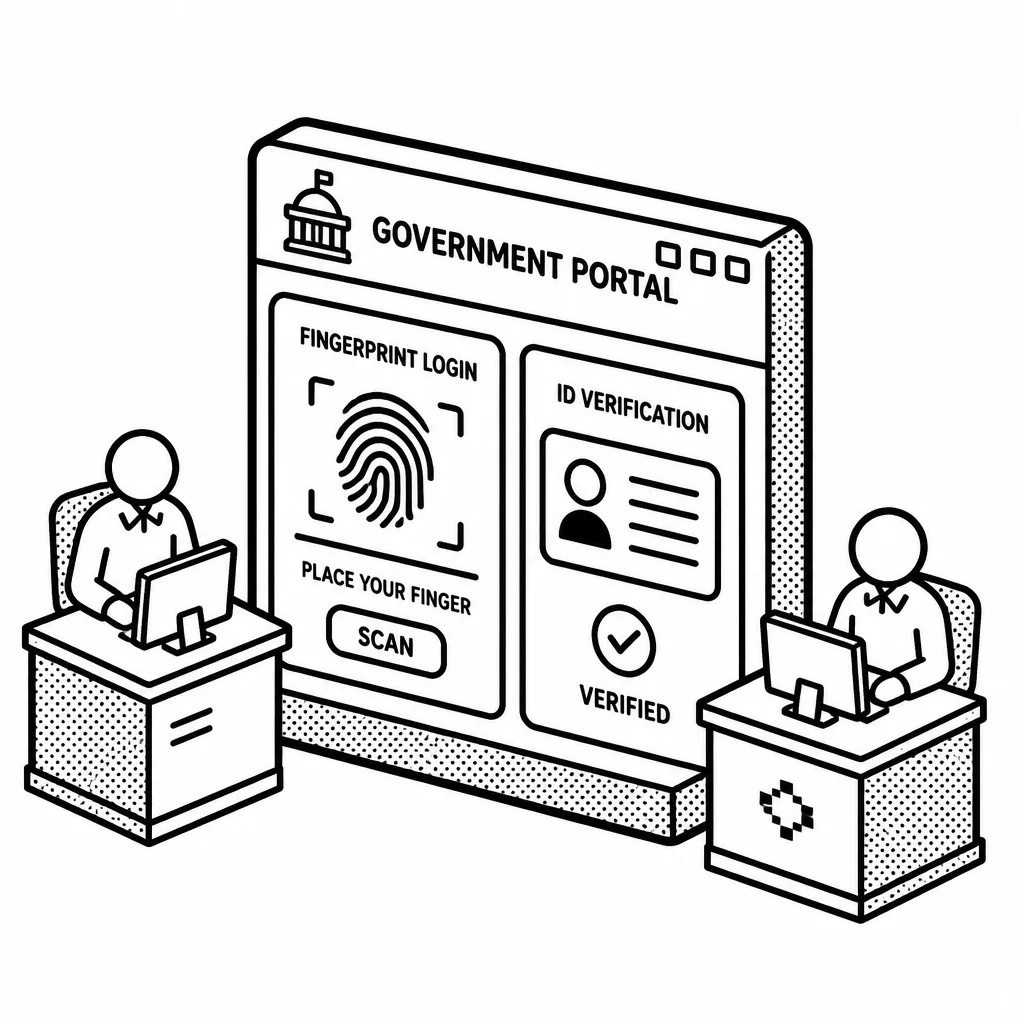
The heart of the business is government digital services. Elm won long-term contracts to build and run platforms that let citizens and companies interact with the state online instead of standing in line at an office. That work is sticky: once a government's systems are built on Elm's platform, switching is painful and expensive, so contracts tend to renew and grow. Elm also sells cybersecurity products and consulting, which fits neatly with the same customers who already trust it with sensitive data. The company is majority-owned by the Saudi government through the Public Investment Fund, which matters a lot. It gives Elm a front-row seat on national digitization projects, but it also means the government is both its biggest customer and its controlling owner. That is a cozy arrangement when times are good and budgets are flowing. It is less cozy if the state slows spending or decides to bring work in-house. Elm has been pushing to grow its private-sector business and expand outside Saudi Arabia to reduce that dependence, though the public sector still dominates.
Elm is profitable and generates real cash, and the Saudi stock market has rewarded it with a rich valuation — investors pay a high price for its steady, government-backed growth. The bull case is simple: Saudi Arabia is spending heavily to digitize its economy, and Elm sits at the center of that effort with sticky, hard-to-replace software. The bear case is just as simple: a company whose main customer is also its owner carries a risk that ordinary software firms do not, and its premium price leaves little room for disappointment.
Saved answer · last researched 12 Nov 2026