Understand any stock in simple English
Enter a ticker to learn what the company does and how it makes money.
Japan Post Insurance Co., Ltd.
Japan Post Insurance sells life insurance policies to individuals and companies in Japan.
Japan Post Insurance is a life insurance company. It sells policies that pay out when someone dies or when they reach a certain age, and it collects premiums from customers in return. It also sells annuities, which work like a personal pension: you hand over a lump sum, and the company pays you a steady income for life. Most of its customers are ordinary households across Japan, and it reaches them through the country's huge post office network, which is a big advantage — there's a post office almost everywhere, so people can walk in and buy a policy.
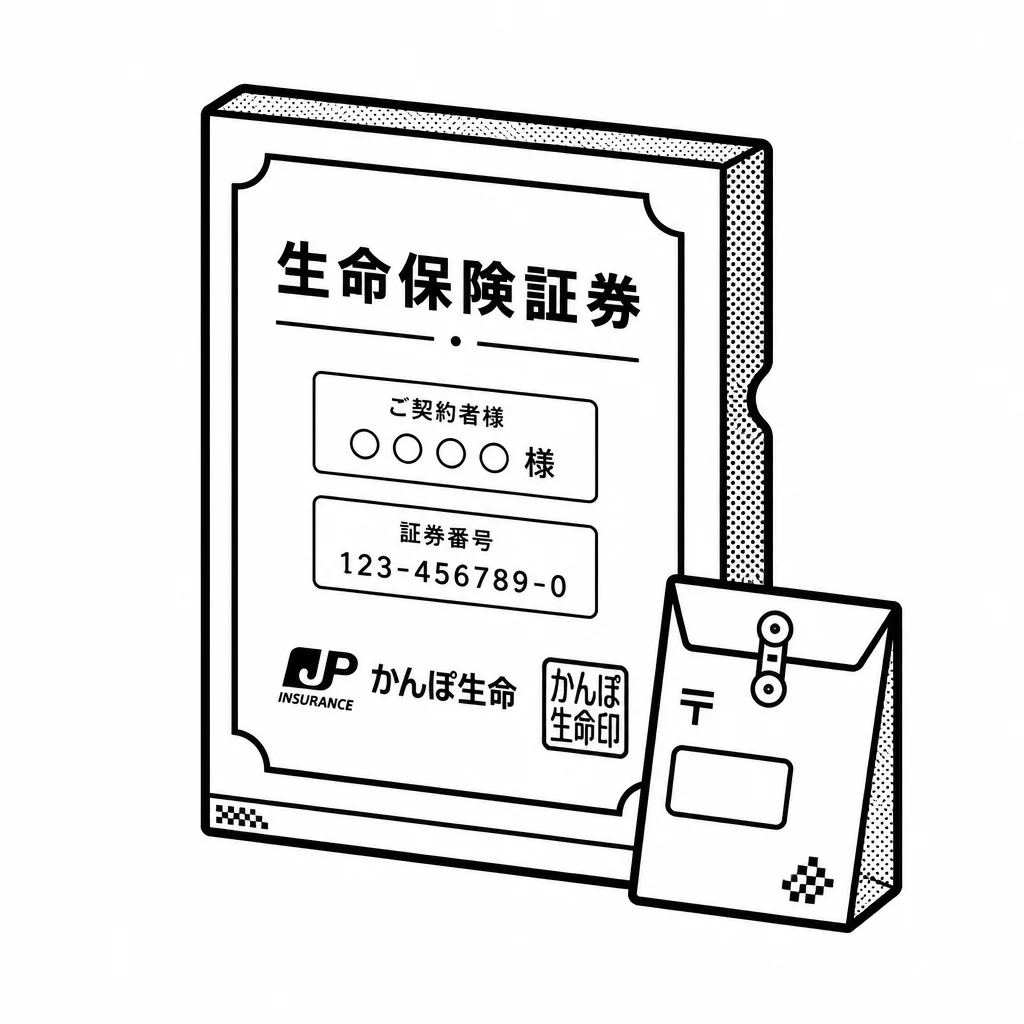
The company has an unusual history. It started as a state-run life insurer, went through partial privatization in the 2000s as part of Japan Post's breakup, and has been listed on the Tokyo Stock Exchange since 2015. The government still owns a large stake through Japan Post Holdings. That public-ish status cuts both ways: it gives the company a name people have trusted for generations, but it also means regulators and politicians pay close attention, and the business has been caught up in a major scandal over improper sales practices in recent years, which led to suspensions and a push to overhaul how it sells. How does it make money? It takes in premiums and invests the money, mostly in Japanese government bonds and other conservative assets, then pays claims and benefits over time. The gap between what it earns on investments and what it owes policyholders is the core profit engine. That makes the business sensitive to interest rates. In Japan's long era of near-zero rates, earning a decent return has been hard; recent rate rises help the investment side but raise costs elsewhere. Its main competitors are the big private Japanese life insurers, and it also competes for household savings against banks and postal savings products.
The company is big and stable but not fast-growing, because Japan's population is shrinking and aging. It pays a dividend and buys back shares to return cash to shareholders. The key thing to watch is whether the post office network keeps helping it sell policies with fewer complaints, and whether interest rates finally make its giant pile of investments earn more. It's essentially a slow, huge savings-and-protection machine that depends on trust and scale.
Saved answer · last researched 12 Nov 2026