Understand any stock in simple English
Enter a ticker to learn what the company does and how it makes money.
Hua Hong Semiconductor Limited
Hua Hong Semiconductor is a chip factory for hire, making specialized chips for other companies' products.
Hua Hong Semiconductor is a contract chipmaker — a factory that builds chips designed by other companies. Its customers are the companies that design electronics: chip designers, consumer gadget makers, and industrial firms across China, North America, Asia, and Europe. They hand Hua Hong a blueprint, and Hua Hong turns it into physical silicon wafers.
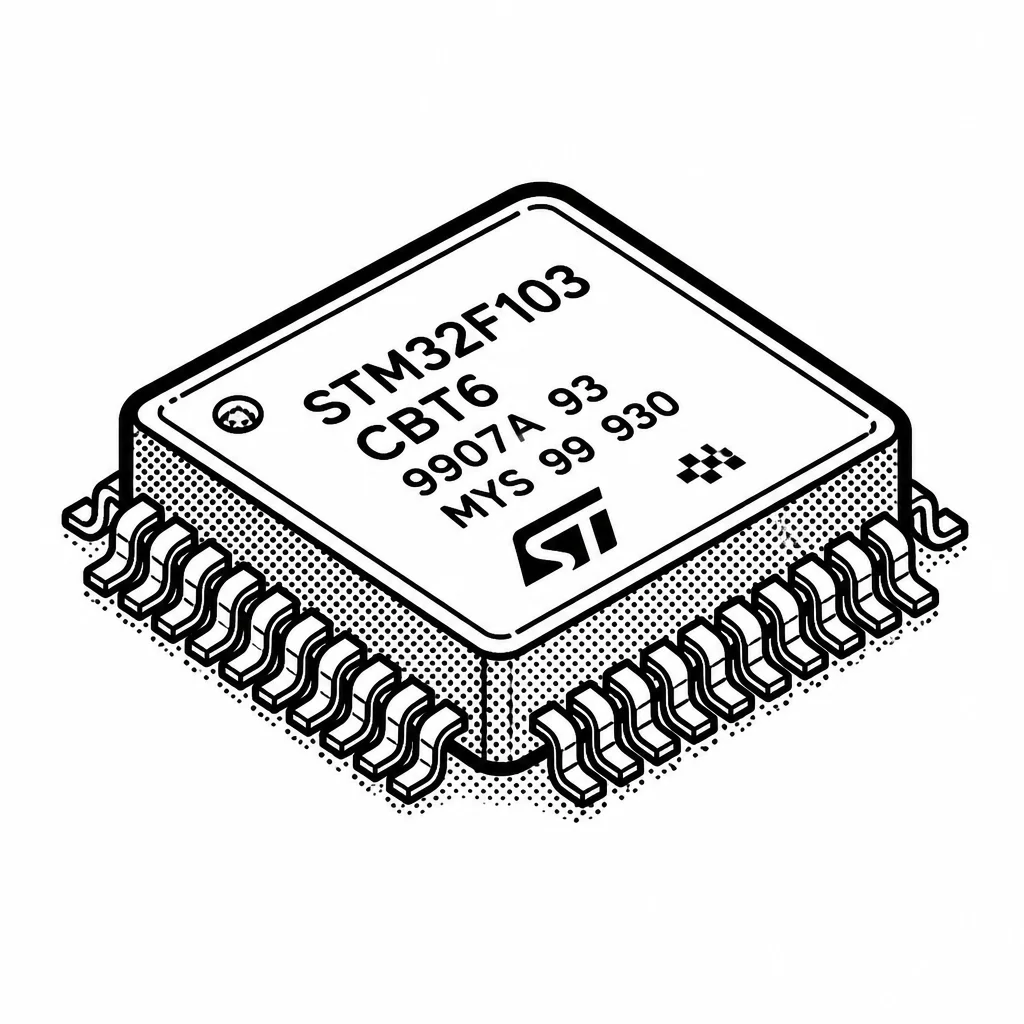
Most chip foundries chase the smallest, most advanced circuits. Hua Hong went the other way, and that is the heart of its business. It specializes in "specialty" processes — older, proven chip-making recipes for things like power management, microcontrollers, and embedded memory. These chips don't need to be cutting-edge; they need to be cheap, reliable, and tough. They end up in cars, home appliances, power supplies, and industrial equipment, where a chip might need to handle high voltage or run for a decade without failing. That focus has a real advantage. The leading-edge race is a brutal, capital-hungry game dominated by Taiwan Semiconductor Manufacturing and Samsung Electronics, where each new generation costs billions and the technology changes fast. Specialty chips are steadier. Customers don't switch foundries easily once a chip is designed and qualified for their product, so business tends to stick. Hua Hong also runs a pure-play foundry model: it doesn't sell its own branded chips, so it isn't competing with the customers it serves. The company is historically significant, too. It grew out of China's early push to build a domestic chip industry, and it now operates fabs (chip factories) in Shanghai and Wuxi. In 2023 it raised billions by listing on Shanghai's STAR Market, the tech-focused board — a big deal for China's push to become more self-sufficient in semiconductors. That was partly because of a simple problem: as the U.S. and its allies tightened export rules on advanced chipmaking tools, China wanted more of its chips made at home. Hua Hong sits right in the middle of that effort.
The catch is that specialty chips are still a cyclical business. When demand for cars and electronics cools, orders shrink, and factories that cost billions to build sit partly empty. That is a major reason the company's profit swings sharply year to year even when revenue holds up reasonably well. Hua Hong also spends heavily on new fabs and equipment, taking on debt to expand capacity — a bet that demand for its specialty chips keeps growing, especially in China.
Saved answer · last researched 12 Nov 2026