Understand any stock in simple English
Enter a ticker to learn what the company does and how it makes money.
Espressif Systems (Shanghai) Co., Ltd.
Espressif designs and sells tiny low-power wireless chips, modules, and development boards that let everyday devices connect to the internet.
Espressif is a chip designer that makes the small, cheap brains inside connected gadgets. Its chips handle Wi-Fi and Bluetooth, so a maker of smart plugs, sensors, or home appliances can add wireless connectivity without designing that tricky circuitry themselves.
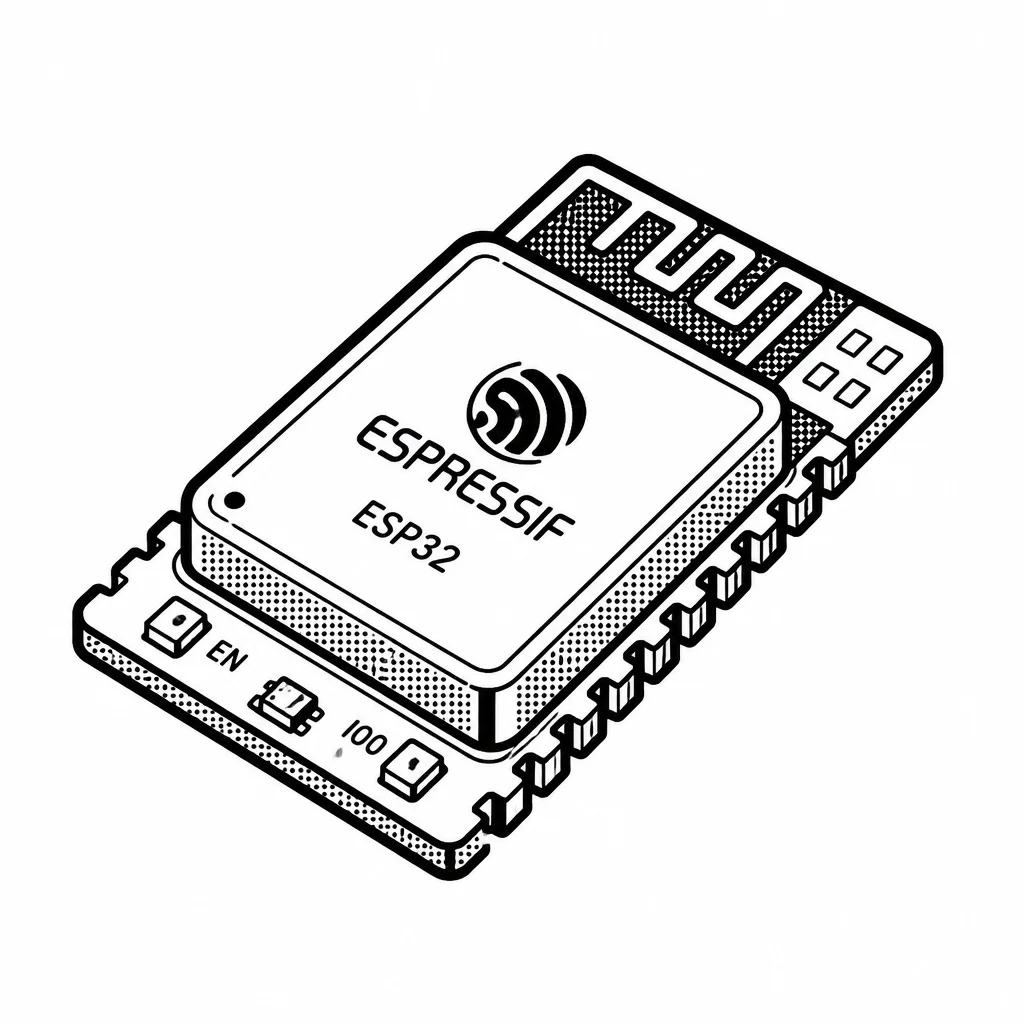
The company is "fabless," which means it doesn't own factories. It designs the chips and pays outside foundries to manufacture them, then sells the finished silicon along with ready-to-use modules and starter boards. This makes life easy for customers: instead of hiring a radio engineer, a small hardware team can buy a module, drop it into a product, and ship it. Espressif's breakout product was the ESP8266 and later the ESP32 family. These chips became wildly popular with hobbyists and startups because they were cheap, powerful, and well supported by free software tools. That grassroots popularity turned into serious commercial volume, and the ESP32 line is now used in countless internet-of-things products worldwide.
The business rises and falls with demand for connected devices, which can be a volatile market. Competition comes from much bigger chipmakers that also sell wireless chips for gadgets, so Espressif leans on low prices, strong developer tools, and a loyal community to hold its ground.
Saved answer · last researched 16 Nov 2026
Timeline
One Man and a Foundry Bet
In 2008 a Singaporean engineer named Teo Swee Ann started a one-man consulting firm in China, after years as an engineering director at Montage Technology. The hard part was making real chips: foundries turned him away because his orders were tiny. Then TSMC, which knew his work from Montage, agreed to manufacture his designs — and that vote of confidence is what let a consulting shop become a chip company.
The ESP32 Arrives
The company's breakout came with the ESP8266 and then, in 2016, the ESP32: a cheap, powerful dual-core chip that could handle wake words, speech and even face recognition on the device itself. That mix of internet-of-things connectivity and AI made it a favorite in smart-home gadgets and among DIY hobbyists, and it turned Espressif from an unknown into a name people recognized.
Listing on the STAR Market
In 2019 Espressif went public on Shanghai's new STAR Market, one of the first companies on the board, raising 1.2 billion yuan. The listing gave the chipmaker public money and public scrutiny at the same moment its chips were spreading into homes around the world.
A Bet on Open RISC-V
In 2022 the company made a striking choice: it moved exclusively to RISC-V, an open-source instruction set that anyone can use without paying a big chip designer. That decision was less about saving a few pennies and more about freedom — it let Espressif build its own chips on a foundation it controlled.
A Billion Chips Shipped
By 2023 Espressif had shipped over a billion IoT chips and stood as the fifth-largest company in the Wi-Fi microcontroller business. The consulting firm that foundries once refused had become a volume player in the guts of connected devices.
Buying M5Stack
In 2024 Espressif bought a majority stake in M5Stack, a maker of development boards and modules built around its ESP32 chips. It was a way to get closer to the hobbyists and tinkerers who had helped make the chip famous, and to sell them more of the pieces around it.
Beyond the Smart Home
Looking ahead, Espressif said growth would come from new uses, product upgrades and new products rather than one hit chip. Revenue outside the smart home — industrial automation, energy management, smart farming and AI developer work — kept climbing, and cumulative shipments passed 1.5 billion chips with over 3 million active developers.