Understand any stock in simple English
Enter a ticker to learn what the company does and how it makes money.
Yangtze Optical Fibre and Cable Joint Stock Limited Company
Yangtze Optical Fibre and Cable makes the glass strands and cables that carry internet and phone signals, selling them to telecom networks and data centers.
Yangtze Optical Fibre and Cable makes the physical stuff that carries the internet: hair-thin strands of glass that flash data across cities, countries, and oceans as pulses of light. The company's main job is turning sand and chemicals into optical fibre preforms — a solid glass cylinder that gets drawn out like taffy into thousands of kilometres of fibre — then bundling those fibres into the cables that telecom operators string along streets and lay under the sea.
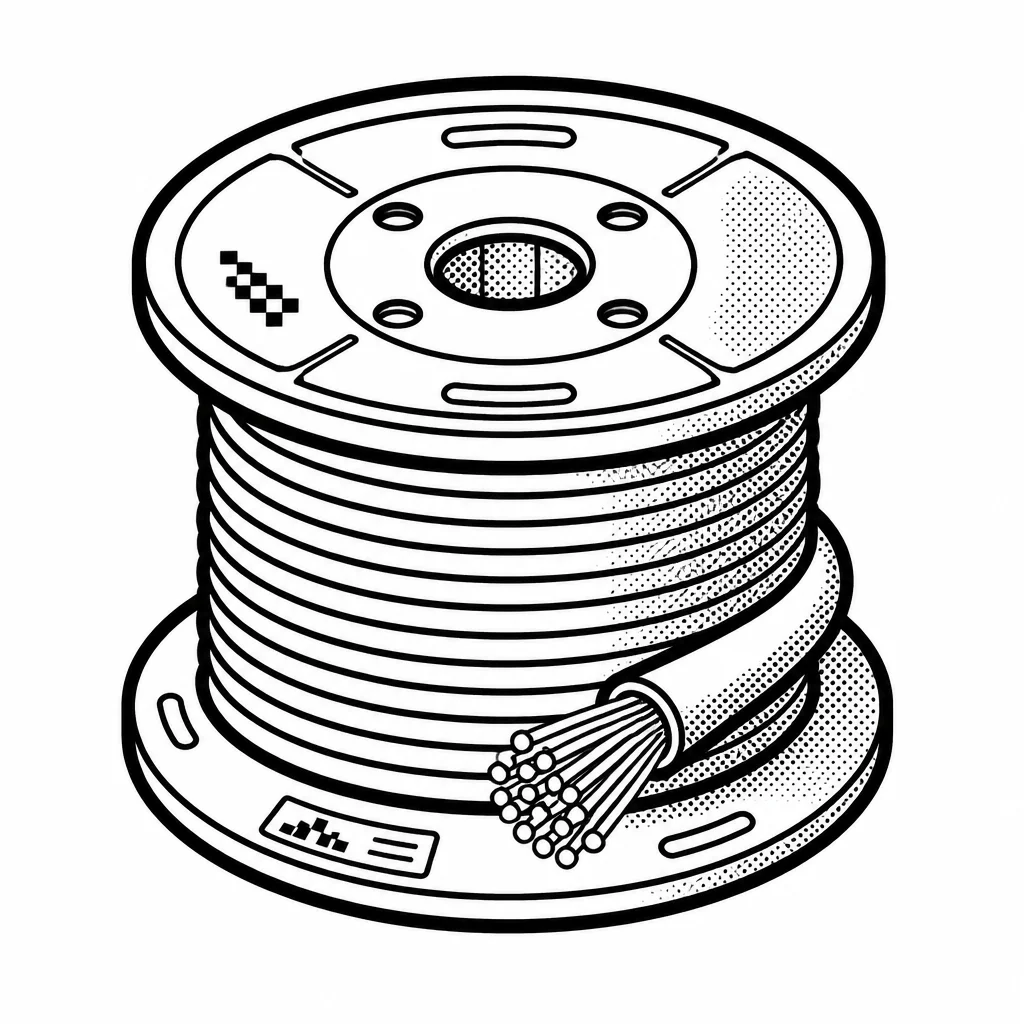
Its customers are mostly telecom carriers and network builders who need to connect people and data centers. When you stream a video or send a message, chances are it travels through a cable made by a company like this. YOFC, as it's often called, sells to these big buyers directly, and it also makes the components and modules that sit at the ends of the fibre, so it captures more of the chain rather than just selling raw glass. The business has scale. It's one of the world's largest fibre makers, with manufacturing in China and abroad, and it has ridden the global buildout of broadband and 5G networks. But the fibre market is cyclical and brutally price-competitive: carriers buy in huge volumes and squeeze suppliers on price, and demand slows when telecoms pause their spending. Chinese rivals like Hengtong and FiberHome compete hard, and overseas players such as Corning fight for the same contracts. To grow beyond the basics, YOFC has pushed into higher-value products: specialty fibre for industrial sensors and medical use, and the modules that turn fibre signals into something computers can read. It also expanded overseas manufacturing to serve foreign carriers directly, reducing its reliance on the Chinese market. That diversification matters, because the core cable business is a commodity — the money is better in the cleverer, harder-to-make parts.
The company is listed in Hong Kong and also trades on Shanghai's STAR market, giving it access to capital for factories and research. It pays dividends and reinvests in capacity, but its fortunes swing with how much the world's telecoms decide to spend on new networks in any given year.
Saved answer · last researched 12 Nov 2026