Understand any stock in simple English
Enter a ticker to learn what the company does and how it makes money.
VisEra Technologies Company Limited
VisEra makes the tiny optical filters and light-sensing parts that sit inside smartphone cameras and other image sensors.
VisEra is a Taiwanese manufacturer of the microscopic optical parts that go into camera modules. Its main product is the color filter — a thin layer of patterned material placed over an image sensor that sorts incoming light into red, green, and blue pixels, so the sensor can reconstruct a color picture. Every smartphone camera, automotive camera, and security camera needs one of these, and VisEra is one of the world's key suppliers of them.
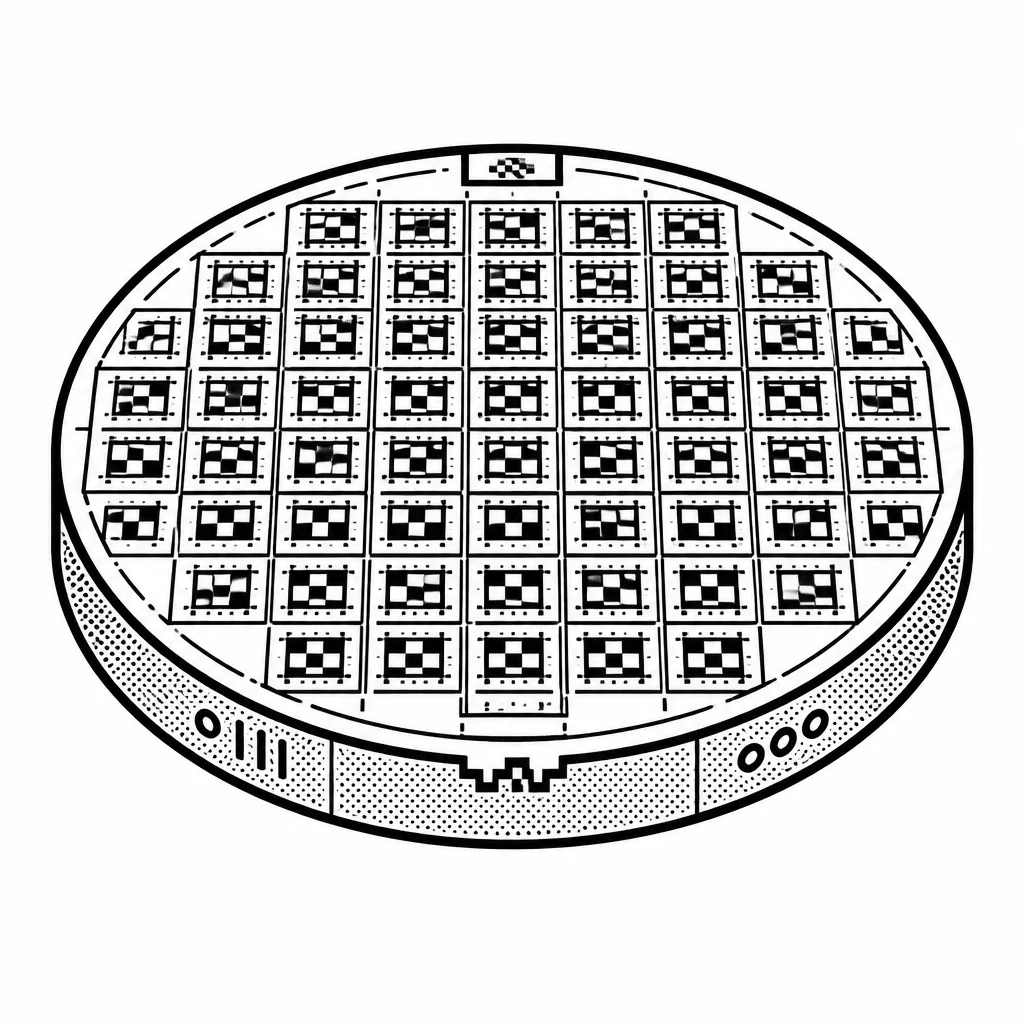
The company is closely tied to TSMC, which helped found it and remains a major shareholder, and it works alongside the big image-sensor makers such as Sony who build the sensors that sit beneath its filters. VisEra also makes micro-lens arrays (tiny lenses that focus light onto each pixel) and other micro-optical components, which lets it sell more content per camera module rather than just one filter. Its customers are the image-sensor and camera-module makers that supply phone brands and car companies. The automotive market matters more and more: modern cars pack in cameras for parking, lane-keeping, and driver assistance, and those cameras need rugged, reliable optical parts. This gives VisEra a second growth engine beyond the maturing smartphone market, though it also ties the company to the bumpy cycles of consumer electronics.
The business is capital-hungry and technically demanding. Making color filters means running expensive semiconductor-style fabrication lines with very high yields, and customers demand tight quality and constant miniaturization as pixels shrink. That creates real barriers to entry — but it also means VisEra must keep spending on capacity and process upgrades to stay competitive, and its fortunes rise and fall with the health of phone and auto demand rather than any recurring subscription-like revenue.
Saved answer · last researched 12 Nov 2026