Understand any stock in simple English
Enter a ticker to learn what the company does and how it makes money.
Nihon Dempa Kogyo Co., Ltd.
Nihon Dempa Kogyo makes tiny quartz crystal components and oscillators that keep electronics running on precise timing, selling them to automakers, telecom equipment makers, and device manufacturers worldwide.
Nihon Dempa Kogyo, usually called NDK, makes the tiny heartbeat parts inside electronics. Its main products are quartz crystals, crystal oscillators, and optical components — small devices that generate or stabilize precise timing signals. Nearly every modern gadget needs a reliable clock to work, and NDK's parts provide that clock for cars, telecom gear, industrial machines, and consumer devices sold around the world.
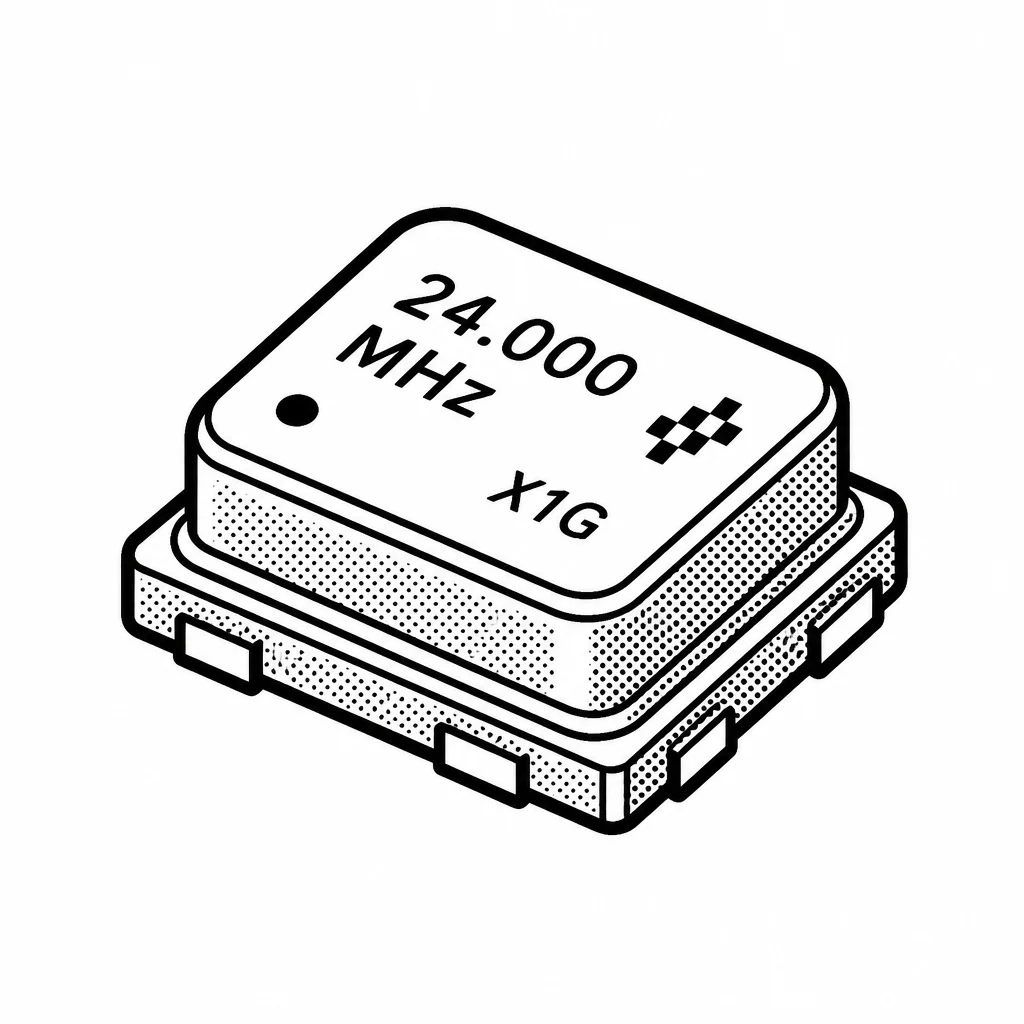
The core idea is simple physics. A piece of quartz vibrates at a very steady frequency when electricity is applied, which makes it an excellent timekeeper. NDK cuts, packages, and tunes these crystals into components that chipmakers and device makers build into their products. Cars are a big deal here: a modern vehicle has dozens of timing-sensitive systems, from engine controls to sensors to wireless connections, and those need parts that survive heat, vibration, and years of use. Telecom equipment is the other major market, where precise timing keeps networks synchronized. NDK has been around a long time — it traces its roots back to a company founded in the 1940s as Nanbu Shoko — and it sits in a tough, cyclical industry. The business swings with demand from automakers and network builders, and it faces strong competition from Japanese and other Asian crystal makers. Pricing pressure is real, and the company has had to invest heavily in smaller, higher-frequency parts for newer electronics while managing periods of weak demand and restructuring its operations.
What makes NDK interesting is that it sells a boring but essential ingredient. Nobody buys a phone or a car because of the crystal inside it, but the car or phone may not work without one. That gives the company a steady role in global electronics supply chains, but it also means its fortunes rise and fall with the health of the industries it serves rather than with any brand of its own.
Saved answer · last researched 16 Nov 2026