Understand any stock in simple English
Enter a ticker to learn what the company does and how it makes money.
Japan Display Inc.
Japan Display makes small and medium-sized screens for smartphones, cars, tablets, and medical devices.
Japan Display makes the screens that go into many of the gadgets you use every day. Its specialty is small and medium-sized displays. Those are the panels behind the glass on a smartphone, a smartwatch, a car's dashboard, or a hospital monitor. The company develops the technology, builds the panels in its factories, and sells them to device makers who put their own brand on the final product.
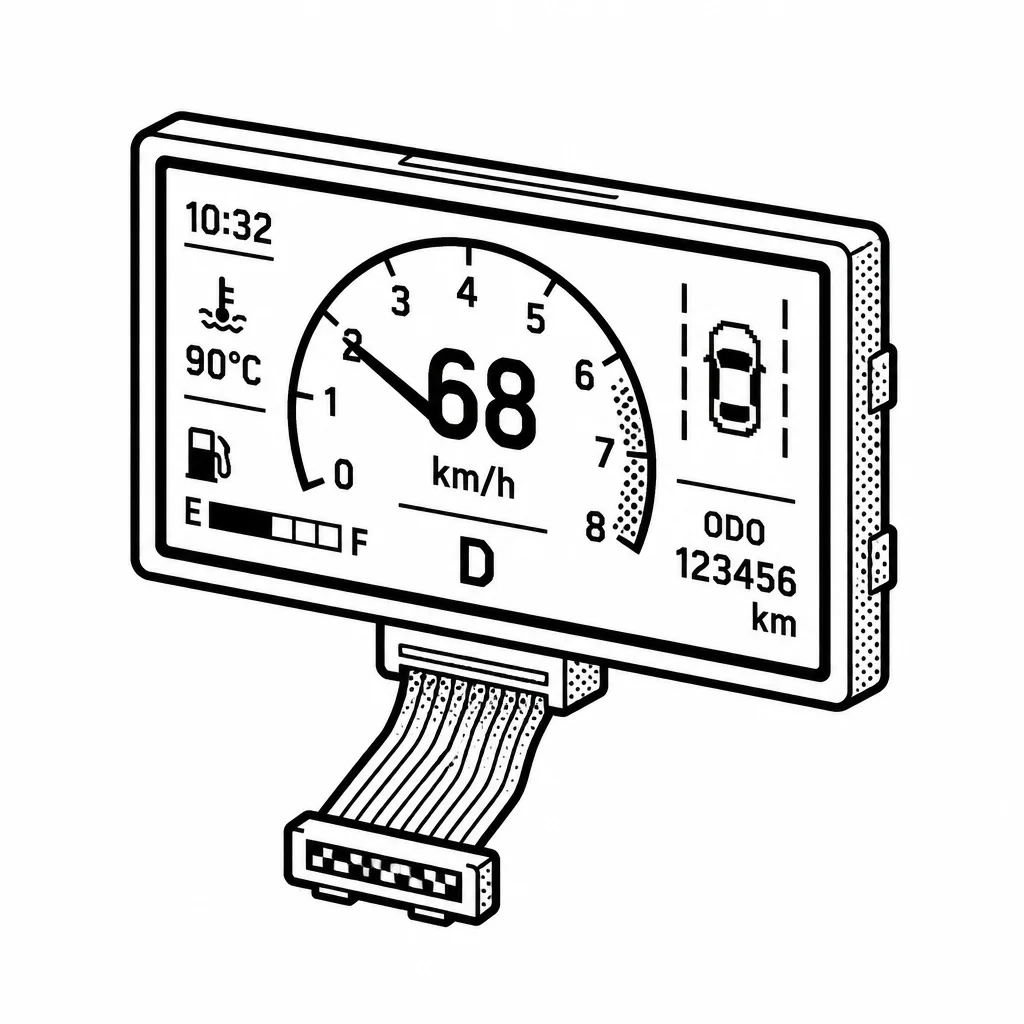
Here is the basic problem it solves. A screen is one of the most expensive and delicate parts of any device. A phone maker wants a bright, thin, power-sipping panel that fits a specific shape and works reliably for years. Japan Display sells exactly that: the panel itself, tuned to the customer's design. Car makers pay a premium for screens that survive heat, cold, and a decade of use, which is why automotive displays have become one of the company's most important and steady markets. Medical and industrial customers value the same reliability. The business has been brutally tough. Japan Display was created in 2012 by merging the small-display units of Sony, Toshiba, and Hitachi, with backing from a Japanese government fund. It arrived just as the smartphone boom was shifting to cheaper, high-volume panels from Asian rivals, and the company lost money for years. Its lifeline has been a mix of government-backed investment and a pivot toward automotive and other specialty screens where price pressure is less savage than in consumer phones.
The vulnerability is easy to see. Panel making is a capital-hungry game, and a display factory is expensive to build and quick to become outdated. When rivals overbuild, prices crash, and everyone bleeds. Japan Display's bet is to compete less on raw volume and more on hard-to-make screens for cars and niche devices, where a long-qualified supplier relationship matters more than the lowest bid. Whether that niche is big enough to keep the company healthy is the question that defines it.
Saved answer · last researched 16 Nov 2026