Understand any stock in simple English
Enter a ticker to learn what the company does and how it makes money.
Daifuku Co., Ltd.
Daifuku builds the automated conveyor belts, robots, and warehouse systems that move and store goods for factories, airports, and online retailers.
Daifuku is the company that keeps stuff moving when nobody is watching. Its machines are the conveyor belts at the airport that hand you your suitcase, the robotic shuttles inside giant warehouses that fetch products for online orders, and the automated systems that carry parts from one machine to the next on a factory floor. The company also makes industrial vehicle washers — the big tunnel-style machines that scrub buses, trucks, and trains — which is a small but steady side of the business.
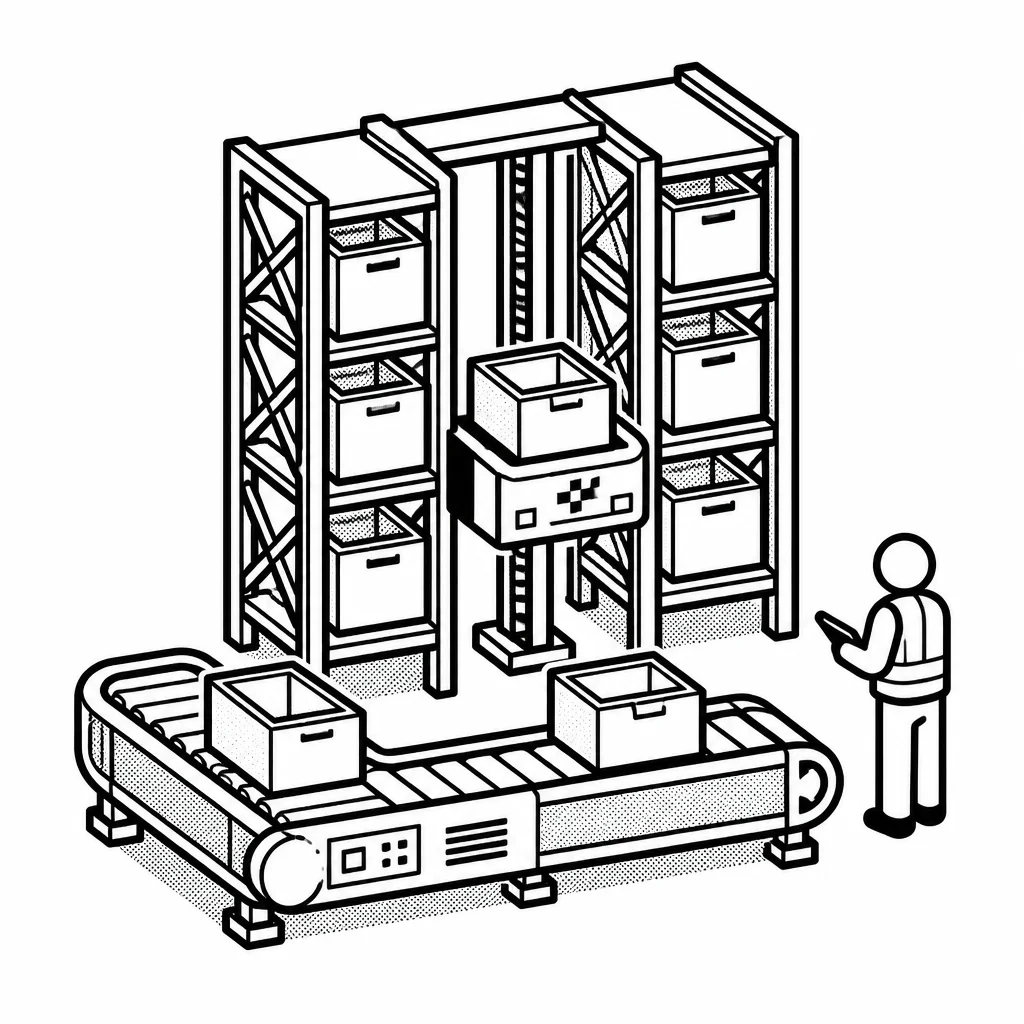
The core of the business is sorting and storage. When you order something online, the company selling it has to find that item in a huge building, pack it, and ship it fast. Daifuku sells the automated warehouse systems that do much of that work: robots that race along racks to pull the right bin, software that decides which order goes where, and conveyors that carry boxes to the loading dock. Airlines and airports pay Daifuku for baggage handling systems too, which is why its equipment sits behind the scenes at major hubs around the world. Customers choose Daifuku because these systems are expensive, hard to build, and painful to replace once they are running. That creates loyal, sticky relationships, and it explains why the company has grown into one of the world's largest material handling firms, based just outside Osaka in Japan. The flip side is that the business is lumpy: big orders arrive in waves, and a weak economy can make a retailer or factory postpone a giant automation project for a year or more. Competition comes from other automation players, and price pressure is real on simpler projects.
Daifuku's growth story is really the story of warehouses getting emptier of people. As online shopping boomed, companies raced to automate, and Daifuku's order book swelled. It also sells to semiconductor factories, carmakers, and food distributors, so it is not tied to one industry — but it is tied to how much businesses are willing to spend on big machines. When that spending slows, the stock tends to feel it. Daifuku pays a dividend and reinvests in developing new automation, and it has made acquisitions over the years to widen its reach. The simple version: if goods need to move without a human pushing them, there is a decent chance Daifuku built the thing doing the moving.
Saved answer · last researched 16 Nov 2026