Understand any stock in simple English
Enter a ticker to learn what the company does and how it makes money.
Sato Corporation
Sato makes the printers, labels, and tracking tags that businesses use to label and track their products and inventory.
Sato is a Japanese company that makes the small, practical tools of everyday commerce: handheld label printers, the sticky labels that go on products, and the tags that let businesses track what they own. If you have ever seen a price sticker on a piece of fruit, a barcode on a package, or a wristband at an event, you have seen the kind of thing Sato sells.
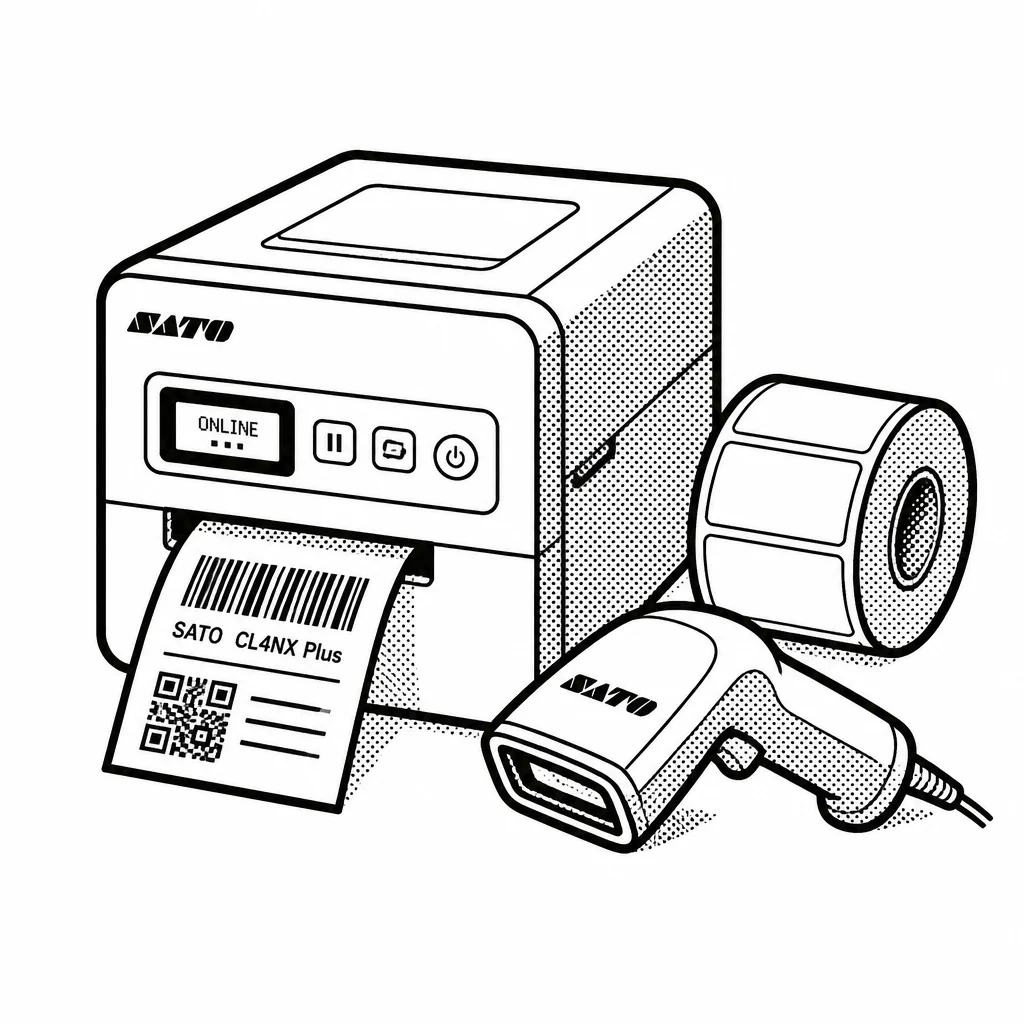
The company's bread and butter is labeling. It sells hand labelers and electronic printers, plus the labels and ribbons those machines consume, which means customers keep coming back for supplies. It also makes RFID tags and other "auto-ID" products, the tiny chips and codes that let a warehouse or store know exactly what item is where. Its customers are mostly businesses that need to label and track things at scale, from retailers and factories to logistics and healthcare operations. Sato's roots stretch back to 1940s Japan, but its modern identity is as a global auto-ID player with a big push into software. In recent years it has bought up companies that sell barcode and RFID software, so it can offer not just the hardware and labels but the system that ties them together. That matters because the real money in tracking is in connecting the data, not just printing a sticker.
Like any label maker, Sato is exposed to swings in retail and manufacturing demand, and it faces competition from global labeling and barcode giants. Its edge comes from owning the whole chain: the printer, the label, the tag, and the software that makes them useful. The business is steady rather than flashy, collecting revenue from ongoing supply sales and growing through its software bet.
Saved answer · last researched 16 Nov 2026