Understand any stock in simple English
Enter a ticker to learn what the company does and how it makes money.
China National Nuclear Power Co., Ltd.
China National Nuclear Power builds and runs nuclear, wind, and solar power plants in China and sells the electricity they generate.
China National Nuclear Power is one of the companies that keeps the lights on in China. It builds and operates power plants — mostly nuclear reactors, but also wind farms and solar parks — and sells the electricity those plants produce to the grid. That is the whole business in one sentence: it spends years and enormous sums building a plant, then collects steady payments for decades as the plant hums along generating power.
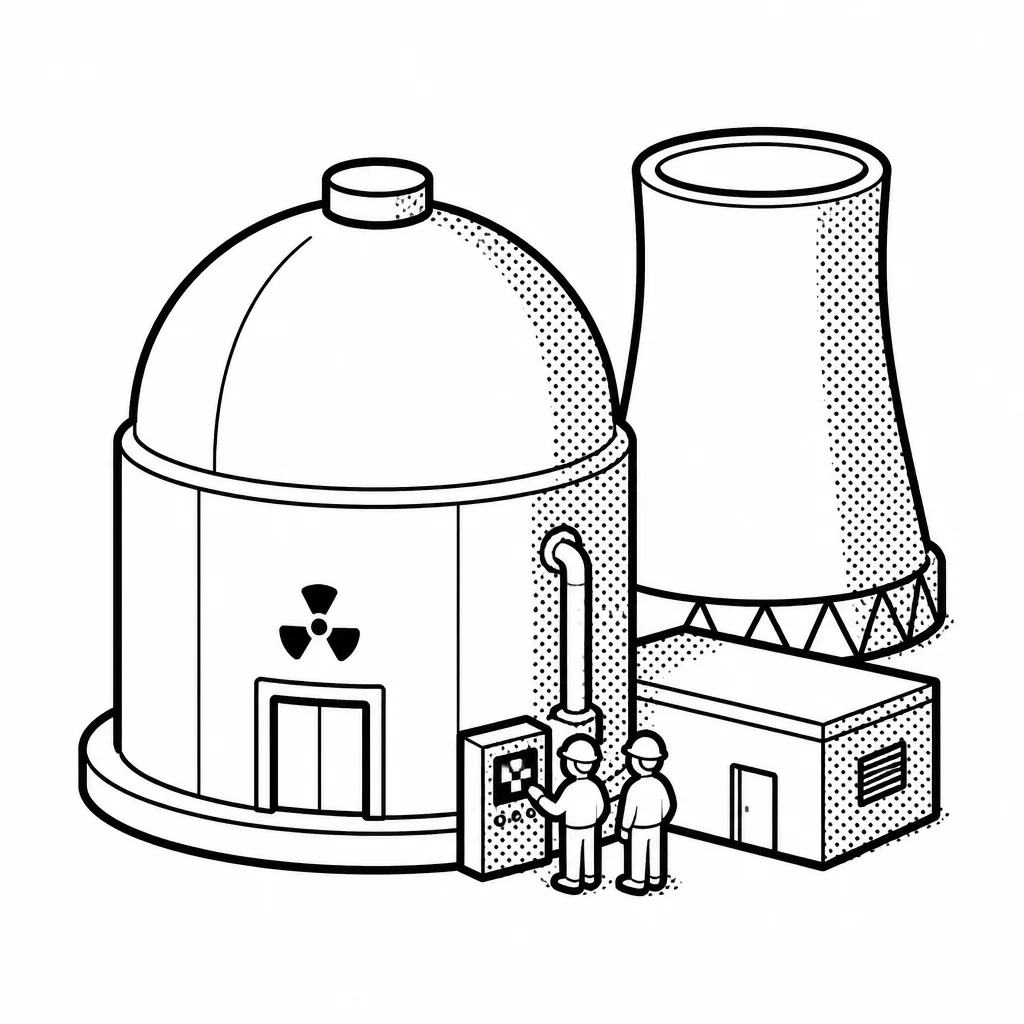
Nuclear is the heart of it. A reactor is a wildly expensive thing to build — billions of dollars and many years of construction before a single watt flows — but once it is running, fuel is cheap and the plant runs almost nonstop, day and night, rain or shine. That is the opposite of a solar farm, which is quick and cheap to build but only makes power when the sun is out. Owning both lets the company balance big upfront bets against quicker, smaller ones, and the wind and solar side has been growing fast as China pushes hard toward clean energy. The controlling shareholder is a state-owned nuclear giant, China National Nuclear Corporation, so the company sits inside a politically important system: China wants more nuclear power for energy security and to cut coal use, and this company is one of the main vehicles for building it. That backing helps it win approvals and financing, but it also means the government has a strong say in what it charges for electricity and where it builds.
The main risk is simple: nuclear plants are huge, slow, and expensive, and a delay or accident is a very big deal. On the other hand, once a reactor is up, it is a cash machine that can run for sixty years or more. The company has also been steadily paying dividends, which makes sense — a mature fleet of reactors throws off cash that does not need to be reinvested all at once. For a patient investor, it is less a growth story and more a bet on China's long, slow shift away from coal.
Saved answer · last researched 12 Nov 2026