Understand any stock in simple English
Enter a ticker to learn what the company does and how it makes money.
The National Agricultural Development Company
NADEC is a Saudi food and agriculture company that produces dairy, juices, cheese, meat, dates, olive oil, honey and vegetables for consumers in Saudi Arabia and abroad.
NADEC is a Saudi food company that most shoppers in the Kingdom know from the supermarket dairy aisle. It makes and sells milk, juices, cheese, meat, dates, olive oil, honey and vegetables, and it sells them to ordinary households in Saudi Arabia and to buyers in other countries. If you have ever reached for a carton of milk or a block of cheese in Riyadh or Jeddah, there is a good chance it came from this company.
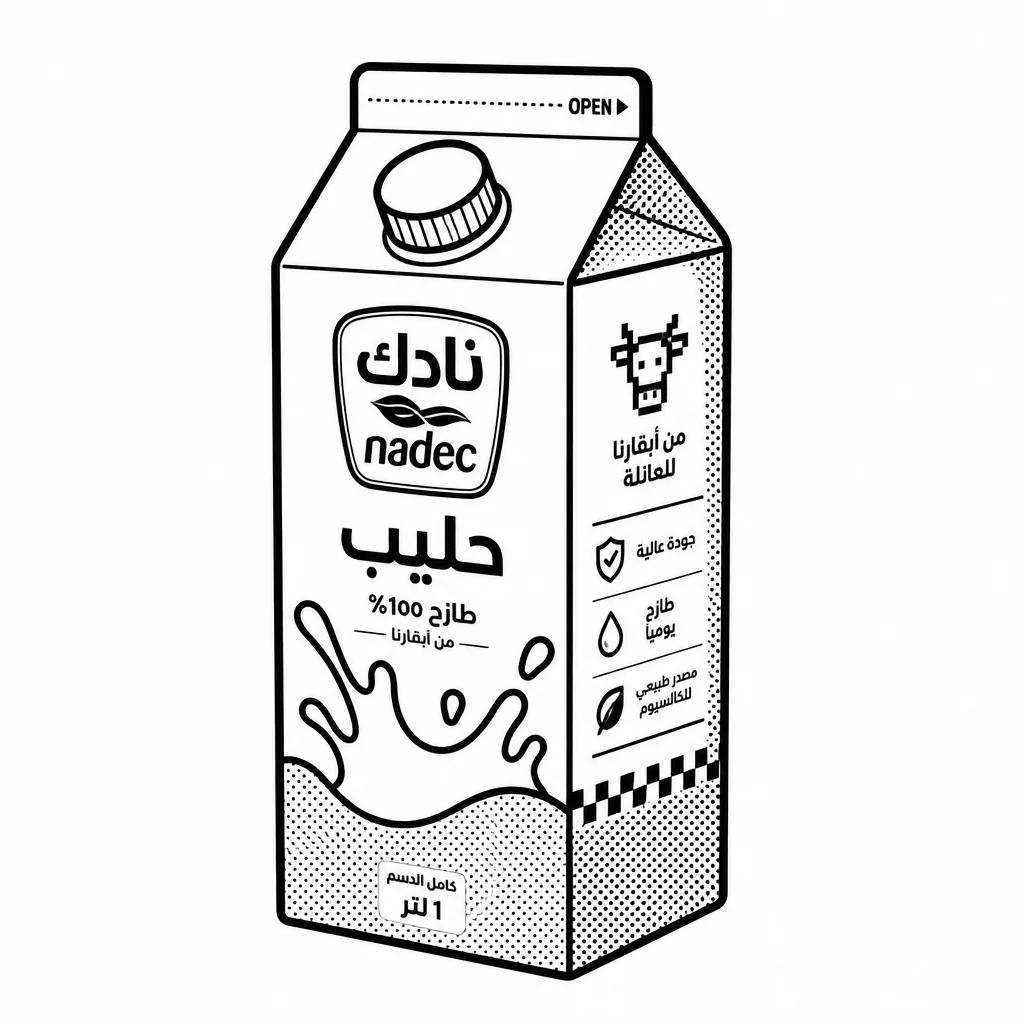
The heart of the business is dairy. NADEC runs large farms and processing plants that turn raw milk into the everyday products people buy weekly: fresh milk, flavored milk, yogurt, laban, cheese and juice. That is a tough business in a hot, dry country with scarce water, so the company has had to get very good at managing cows, feed, cooling and logistics at scale. It also sells its products under brands that stores and families recognize, which matters in a category where trust and freshness decide the sale. Beyond dairy, NADEC spreads its bets across other food staples. It produces meat, grows and packs dates, presses olive oil, sells honey and supplies vegetables. These are slower, steadier categories than milk, but they let the company use the same distribution network and the same grocery relationships to put more items on shelves. Competitors in the region include other big dairy and food players such as Almarai, and the fight is largely about shelf space, price and freshness.
The company is listed on the Saudi Exchange, which gives it access to public capital to fund farms, factories and expansion. That capital matters because food production is capital-hungry: cows, cold chains and processing lines are expensive, and returns come slowly. NADEC's advantage is scale and a familiar brand; its vulnerability is that milk and basic food are commodity-like, so costs for feed and energy can squeeze profits quickly, and shoppers will switch if a rival is cheaper.
Saved answer · last researched 12 Nov 2026