Understand any stock in simple English
Enter a ticker to learn what the company does and how it makes money.
Ningxia Baofeng Energy Group Co., Ltd.
Baofeng Energy turns coal into the building blocks for plastics and other chemicals, selling them to factories in China and abroad.
Baofeng Energy is a coal chemical company. It takes coal, the cheap and abundant fuel buried under Ningxia in northwestern China, and transforms it into the raw materials that make modern life possible: olefins, which are the basic molecules for plastics, and then polyethylene and polypropylene, the pellets that factories melt down into bags, pipes, packaging, and car parts. It also sells coke and a range of fine chemicals. Its customers are industrial buyers, not everyday shoppers — plastics makers, manufacturers, and chemical processors who need a steady supply of feedstock.
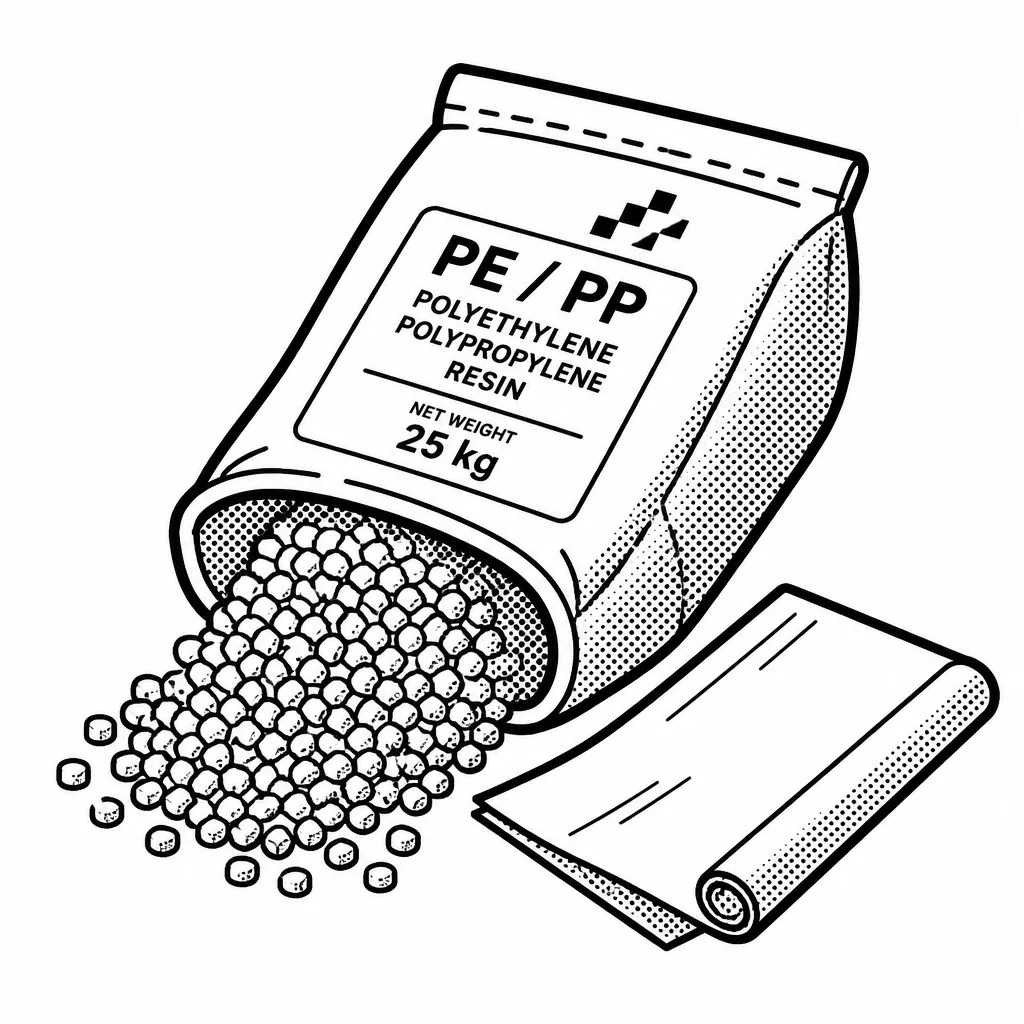
The core trick of the business is turning cheap coal into something far more valuable. Coal is mostly carbon; plastics are mostly carbon too. Baofeng's plants use a process called coal-to-olefins, which gasifies coal and reassembles its molecules into the building blocks for plastic. That lets China, which has lots of coal and little oil and gas, make plastics without importing expensive petroleum-based feedstock. The catch is that coal conversion is energy-intensive and carbon-heavy, so the company sits squarely in the crosshairs of China's push to clean up heavy industry. Baofeng is known in Chinese markets for being unusually aggressive about building capacity. It has expanded from a single coal chemical base in Ningxia into a much larger operation, including a massive coal-to-olefins complex that made it one of the country's biggest producers of the plastics feedstock. That growth came with heavy spending on plants and equipment, funded largely by debt and by the cash its chemicals throw off. When plastics prices are strong, that machine generates plenty of cash; when they sag, the debt load bites.
The company's fortunes ride on a few big swings. Plastic prices depend on global supply and demand, and Chinese producers have been adding so much capacity that prices have been under pressure. Coal prices matter enormously too, since coal is the main input. Then there is the green transition: Beijing wants heavy emitters to cut carbon, and coal-to-chemicals is one of the dirtier ways to make plastic. How Baofeng handles that squeeze — through efficiency, new projects, or simply riding out the cycle — will decide whether its expansion pays off.
Saved answer · last researched 12 Nov 2026