Understand any stock in simple English
Enter a ticker to learn what the company does and how it makes money.
NARI Technology Co., Ltd.
NARI Technology builds the software and hardware that lets power grids run smoothly, selling mostly to China's state-owned electricity utilities.
NARI Technology is the company that helps keep the lights on across China. It makes the control systems, software, and automation equipment that electricity grid operators use to watch, balance, and manage the flow of power — from giant power plants down to the wires and substations in your neighborhood. Its biggest customer is the company that runs most of China's grid, so its fortunes are tightly tied to how much the state spends on modernizing and expanding the power network.
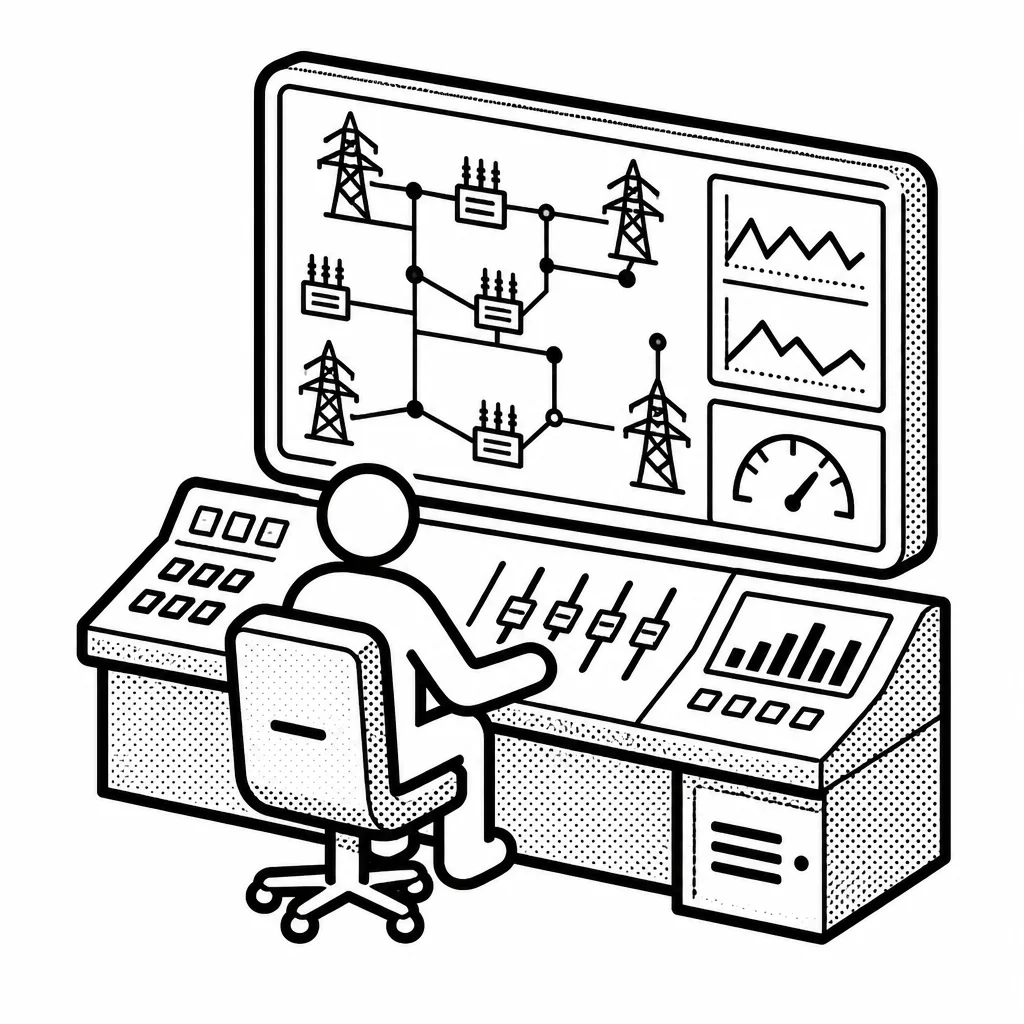
The core of the business is grid automation: the brains that let a utility see what's happening on thousands of miles of power lines and react in real time, plus the hardware that physically switches and protects equipment. NARI also sells into industrial customers and increasingly into energy management — helping utilities juggle new sources of power like wind and solar, which are harder to manage than old-fashioned coal plants because their output rises and falls with the weather. That's the real growth story. China is adding enormous amounts of renewable energy and needs smarter systems to keep the grid stable when the sun isn't shining and the wind stops blowing. NARI sits right in that path, selling the software and equipment that make a messy mix of power sources behave. It also benefits from the broader push to digitize and upgrade the grid, and it competes mainly with other Chinese grid-technology suppliers rather than foreign giants.
It is not a flashy consumer business — it's a steady, engineering-heavy supplier whose revenue depends on government and utility spending cycles. When grid investment ramps up, NARI does well; when it slows, growth cools. The company pays dividends and reinvests in research, and its deep ties to China's state-run electricity system give it a moat that's hard for outsiders to cross.
Saved answer · last researched 12 Nov 2026