Understand any stock in simple English
Enter a ticker to learn what the company does and how it makes money.
CATRION Catering Holding Company
CATRION makes and serves the meals airlines hand out on flights, and also runs airport shops and provides facility services in Saudi Arabia.
CATRION is the company behind the food and services you might never notice at an airport. If you fly with Saudi Arabian Airlines and get a meal tray, there is a good chance CATRION prepared it. The company runs large catering kitchens that cook, pack, and deliver food onto planes before takeoff. It also operates retail shops in airports and provides facilities services, which means things like cleaning and maintenance for airlines and hospitality clients. So it sits quietly behind the scenes of air travel and hospitality in Saudi Arabia.
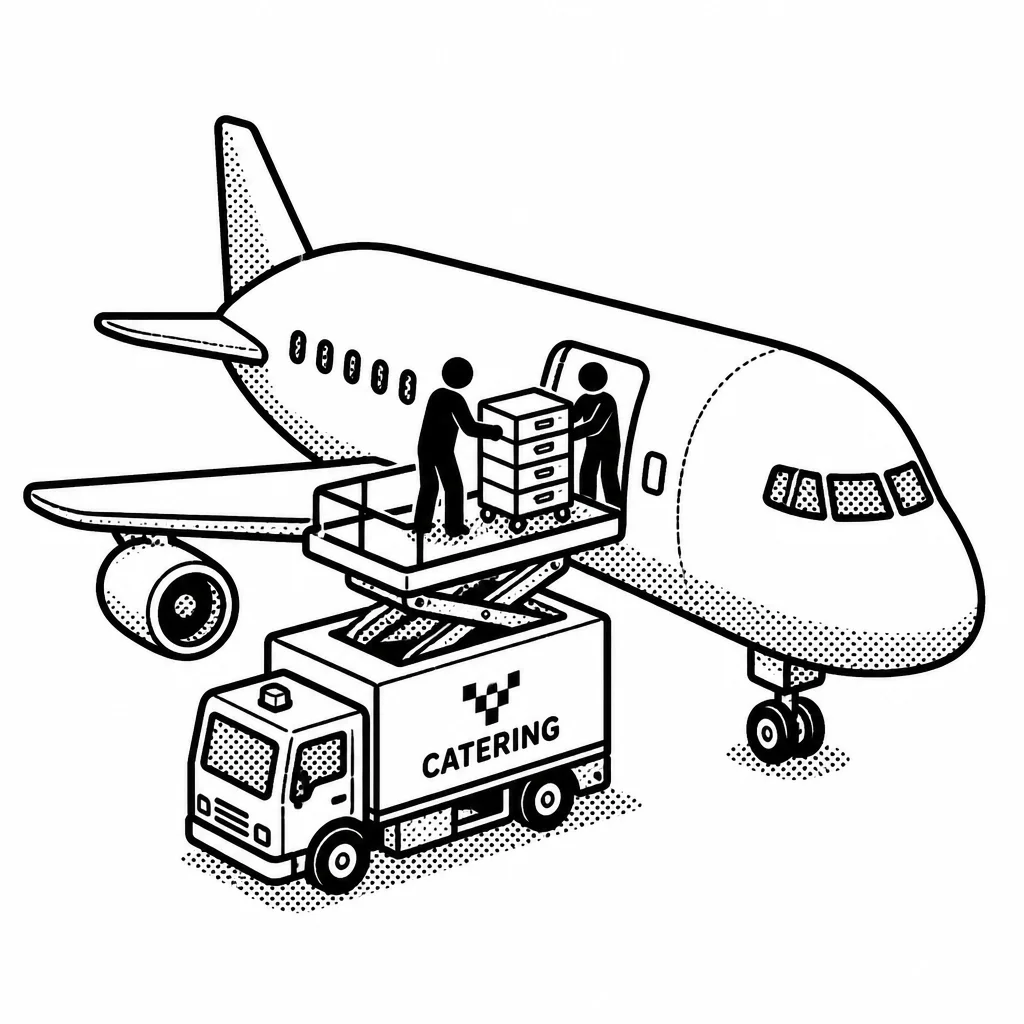
The core business is inflight catering. Airlines don't want to run kitchens at every airport they fly to, so they hire specialists like CATRION to handle it. CATRION prepares meals that match each airline's menu and class of service, loads them onto trolleys, and gets them onto the plane on a tight schedule. Airlines pay for this because food safety, timing, and consistency are hard to do well, and a flight can't leave without the catering sorted. The company's main customer has historically been Saudi Arabian Airlines, which gives it a large, steady base of business but also means it depends a lot on one big client. The retail side puts shops inside airports, selling snacks, drinks, and travel essentials to passengers. Facilities services extend the same idea to buildings and hospitality clients. In recent years the company has been expanding beyond its airline roots, chasing contracts with other clients and growing its retail and facilities segments. It has also been investing in its kitchens and capacity to handle more flights and more types of customers.
One important thing to know: this is a business tied closely to how much people fly. When travel boomed after the pandemic, catering volumes came back strongly, and the company has been growing revenue. But it is also exposed to swings in aviation, competition for catering contracts, and the risk of relying heavily on a single major airline customer. The company pays dividends to shareholders, which makes sense for a business that generates steady cash from long-term contracts. It is a good example of an unglamorous business that quietly makes air travel work.
Saved answer · last researched 12 Nov 2026