Understand any stock in simple English
Enter a ticker to learn what the company does and how it makes money.
Huaneng Lancang River Hydropower Inc.
It builds and runs giant dams on the Lancang River and sells the electricity they produce.
Huaneng Lancang River Hydropower is a Chinese electric power company. It builds and operates huge hydropower stations along the Lancang River — the stretch of the Mekong that runs through China — and sells the electricity it produces, mostly to domestic buyers on China's grid, with some power also going to overseas markets. In simple terms, it turns falling water into electricity and sells that electricity by the kilowatt-hour.
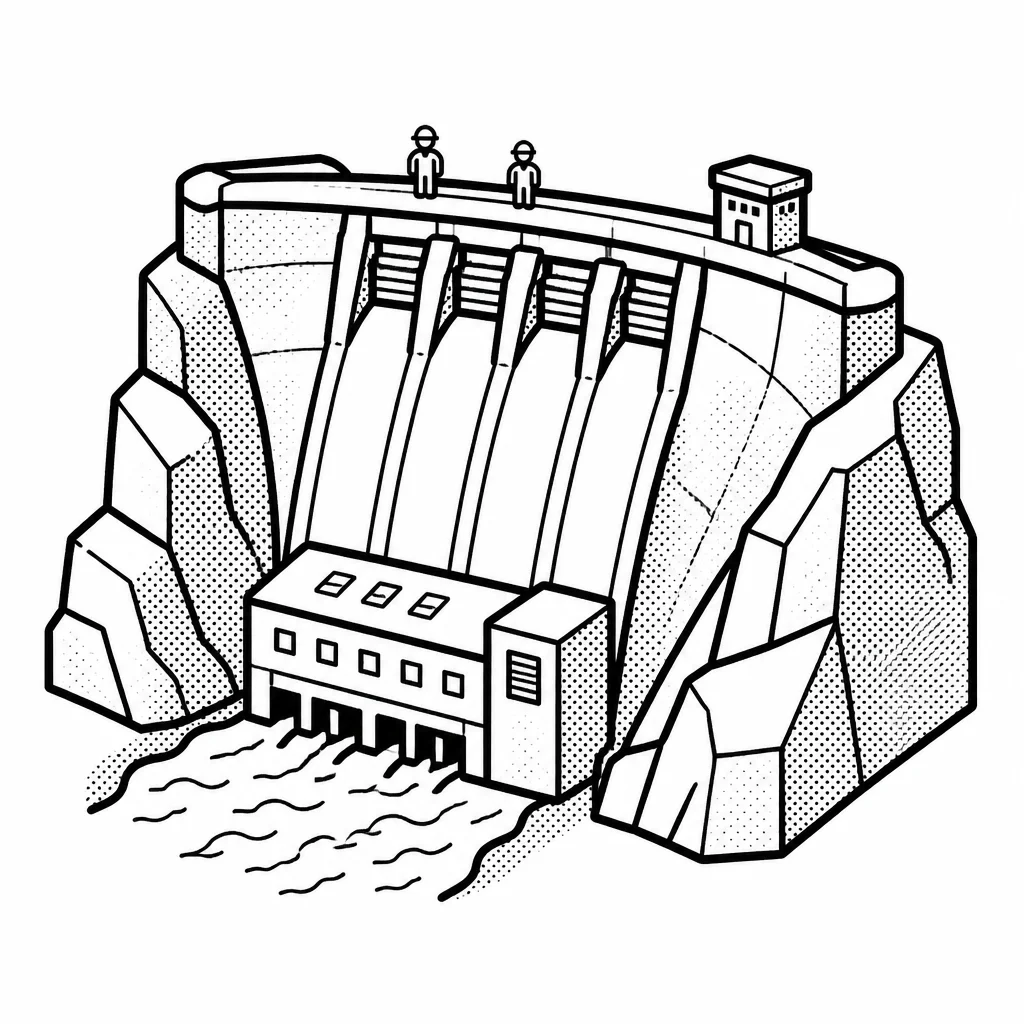
The business is capital-heavy and patient. A single dam can take years and enormous sums to build, but once it is running, the fuel — flowing water — is free, and the plant can generate for decades. That gives hydropower operators stable, low-cost output and revenue that tends to be steady, because people need electricity regardless of the economy. The catch is that river flow varies: a dry year means less water and less power, and a wet year means more, so earnings can swing with the weather as much as with demand. This company is part of the Huaneng group, one of China's big state-owned power producers. Its home turf on the upper and middle Lancang is one of China's most important hydropower corridors, and the company has been a major builder of cascading dams there. Being a large, state-linked utility matters: it gives access to financing and long-term power contracts, but it also means prices and expansion plans are shaped heavily by government policy on energy, the grid, and clean power targets.
The bigger picture is China's push toward cleaner electricity. Hydropower is a mature, dispatchable source of low-carbon power, and it pairs well with newer wind and solar because dams can ramp output up and down to balance a grid. That makes a company like this quietly useful to the energy transition, even if its business is old-fashioned: build the dam, let the water run, and collect the payments for a very long time.
Saved answer · last researched 12 Nov 2026